Whether you’re using a compact single-boiler machine or a powerful dual-boiler setup, your espresso machine’s boiler is the heart of your brew so regular espresso machine maintenance is important .
- 🔧 Why Boiler Maintenance Matters
- ☝️ Quick Boiler Type Overview
- 🧼 General Boiler Maintenance Tips (All Machines)
- 🔹 Single Boiler Maintenance
- 🔸 Heat Exchanger (HX) Maintenance
- 🔷 Dual Boiler Maintenance
- 🧪 Signs It’s Time to Descale
- 🛠️ Recommended Tools & Products
- ✅ Final Thoughts on Espresso Machine Maintenance
- ❓ FAQ: Espresso Machine Maintenance
- 🛠️ You May Also Like
Keeping it in top shape ensures better-tasting coffee, consistent pressure, and a longer machine lifespan. But not all boilers are created equal—and neither is their maintenance. So lets look at Espresso Machine Maintenance.
Here’s your easy guide to caring for the main boiler types: single boiler, heat exchanger, and dual boiler systems.
🔧 Why Boiler Maintenance Matters
Boiler issues can lead to:
- Poor temperature control
- Scale buildup and corrosion
- Longer warm-up times
- Costly repairs or breakdowns
Preventative care saves you time, money, and frustration—and keeps your espresso shots tasting fantastic.
☝️ Quick Boiler Type Overview
| Boiler Type | Key Features |
|---|---|
| Single Boiler | One boiler for both brewing and steaming. |
| Heat Exchanger | Brews and steams simultaneously with one boiler. |
| Dual Boiler | Separate boilers for brewing and steaming. |
Each type affects how water is heated—and how you should maintain it.
🧼 General Boiler Maintenance Tips (All Machines)
Before diving into boiler-specific care, some tips apply to all machines:
- Use filtered or softened water to minimize scale.
- Backflush regularly (for machines with a 3-way valve).
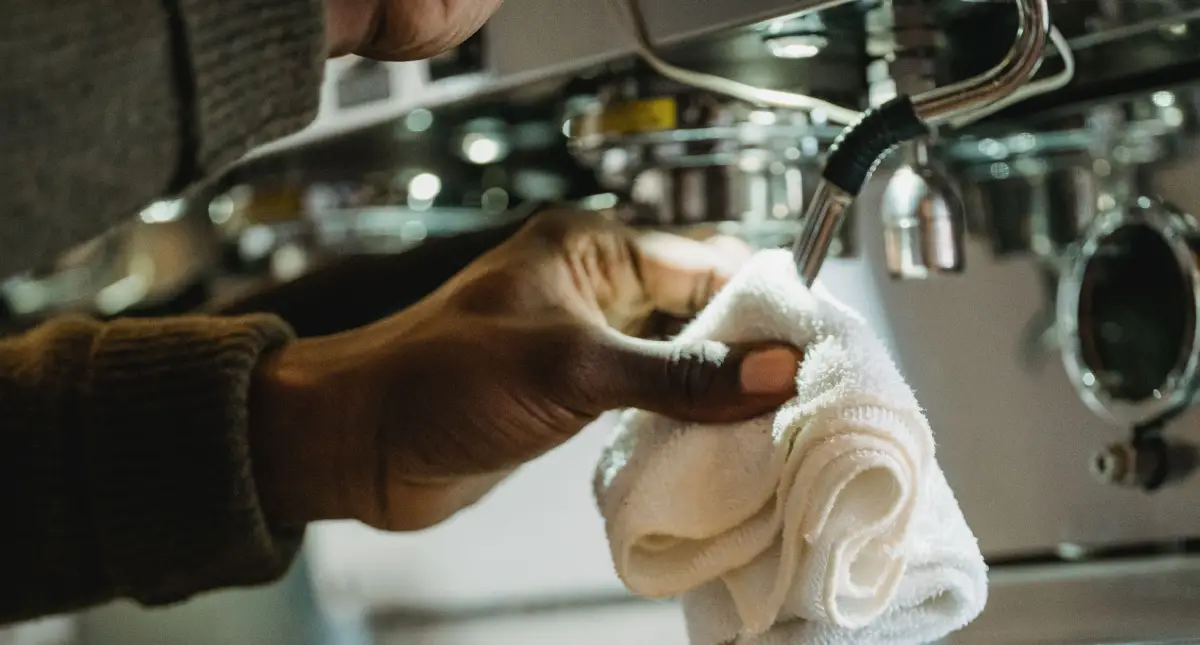
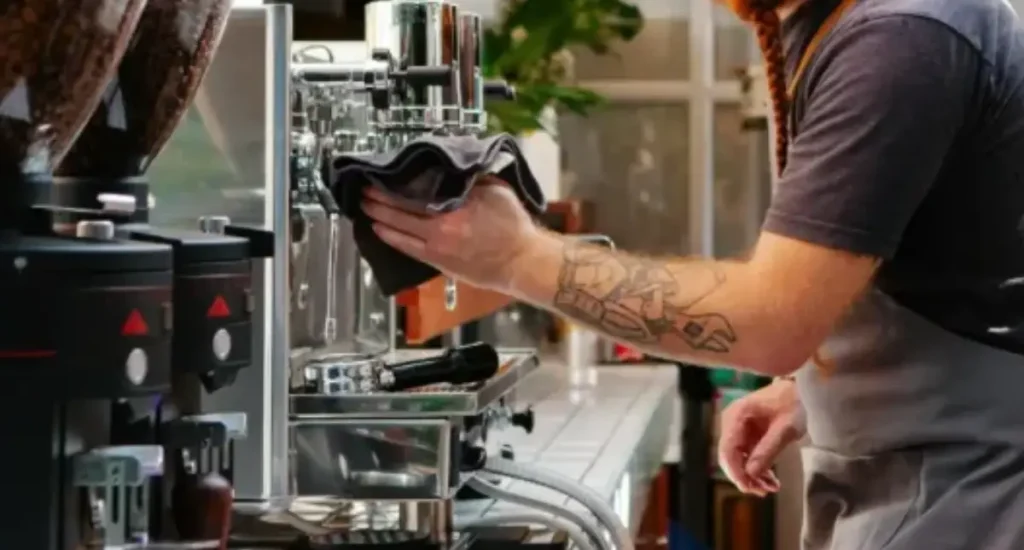
- Wipe steam wands after each use to prevent milk residue buildup.
- Check your user manual for brand-specific schedules.
🔹 Single Boiler Maintenance
Single boilers are common in entry-level machines and require alternating between brewing and steaming temperatures.
Tips:
- Descale every 1–2 months (more often if using hard water).
- Allow the boiler to cool before descaling to avoid thermal shock.
- Purge the steam wand after every use to release leftover moisture.
- Monitor the brew thermostat—if coffee is too hot or cold, it may need recalibration.
🔸 Heat Exchanger (HX) Maintenance
Heat exchanger machines brew and steam at the same time using a single boiler and internal tubes.
Tips:
- Let the grouphead flush briefly before brewing—this helps stabilize temp.
- Descale every 2–3 months depending on usage and water hardness.
- Use a blind filter to backflush daily if possible.
- Watch for temperature creep—leaving the machine idle can overheat the brew water.
🔷 Dual Boiler Maintenance
With two separate boilers, these machines are powerful and precise—ideal for serious home baristas.
Tips:
- Descale each boiler individually if possible (some models allow this).
- Turn off the steam boiler when not in use for extended periods to save wear.
- Backflush the brew boiler often and monitor pressure gauges for consistency.
- Use a PID controller (if available) to maintain and fine-tune temperature.
🧪 Signs It’s Time to Descale
- Slower heat-up times
- Hissing, popping, or rumbling noises
- Inconsistent water temps
- Mineral flakes in the water
- Low brew pressure
When in doubt—descale. It’s better to stay ahead of problems than to fix them after the fact.
🛠️ Recommended Tools & Products
- Descaling solution (citric acid or brand-specific)
- Backflush cleaning powder
- Blind filter basket
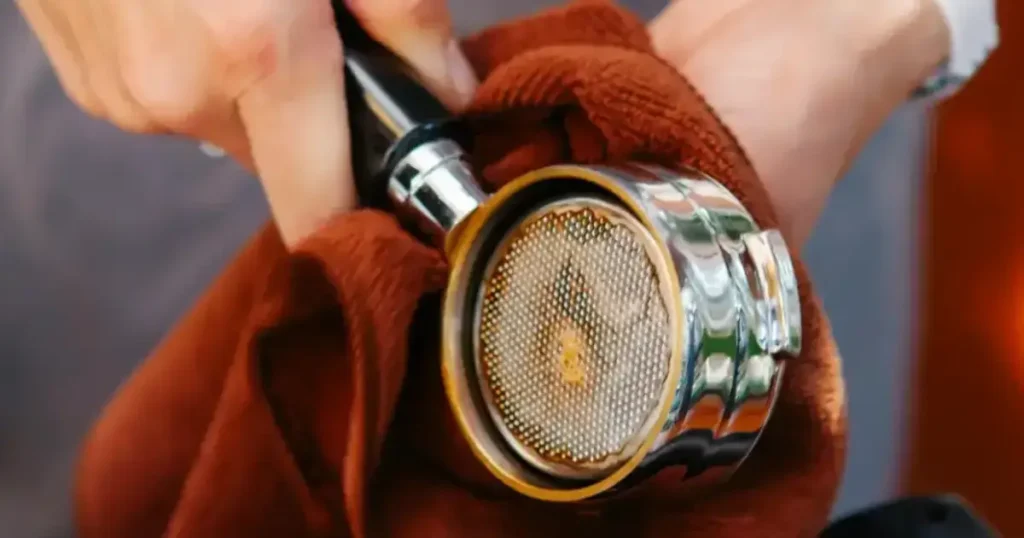
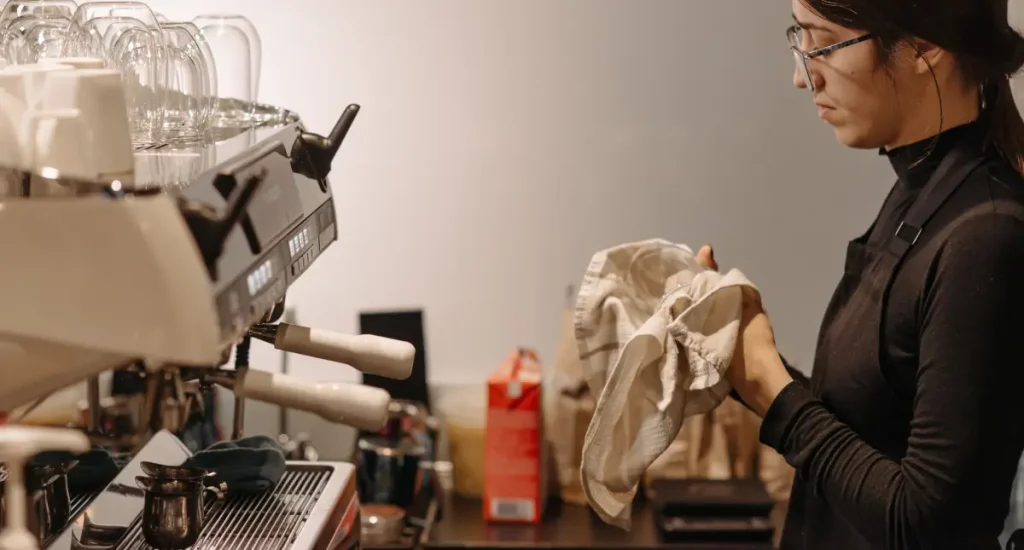
- Soft cloths & grouphead brushes
- TDS meter (to test your water hardness)
💡 Pro Tip: Log your maintenance in a small journal or app. That way you can keep track of descaling, gasket replacements, and any part swaps.
✅ Final Thoughts on Espresso Machine Maintenance
Boiler espresso machine maintenance may not be the most glamorous part of espresso life—but it’s one of the most important. Whether you’ve got a budget-friendly single boiler or a café-level dual boiler, a little care goes a long way.
Take care of your machine, and it’ll take care of your coffee.
❓ FAQ: Espresso Machine Maintenance
How often should I descale my espresso machine?
Most home machines should be descaled every 1–3 months, depending on how often you use them and the hardness of your water. Use filtered or softened water to reduce scale buildup and extend the time between descalings.
What happens if I don’t maintain my espresso machine’s boiler?
Without regular maintenance, boilers can develop scale buildup, corrosion, temperature instability, and pressure issues. This affects shot quality and may lead to expensive repairs or machine failure.
What’s the difference between single, heat exchanger, and dual boiler machines?
A single boiler heats water for both brewing and steaming (one at a time). A heat exchanger can brew and steam at the same time using one boiler. A dual boiler has separate boilers for brewing and steaming, offering the most control and consistency.
Can I descale my espresso machine myself?
Yes, many machines allow for home descaling using a descaling solution and step-by-step instructions. Always check your user manual first—some machines have special procedures or restrictions.
Is it necessary to backflush an espresso machine?
If your machine has a 3-way solenoid valve, backflushing is essential to clean out old coffee oils and residue from the grouphead. This should be done daily or weekly, depending on usage.
🛠️ You May Also Like
- How to Use an Espresso Machine (Beginner’s Guide) – Step-by-step instructions to get the best from your espresso machine, including care and cleaning tips.
- Best Home Espresso Machines Reviews) – Find the best espresso machine for your budget and brewing style with our updated guide.
☕ Just a heads up—this post contains affiliate links. If you buy through them, Frothy Fusion may earn a small commission (at no cost to you). Thanks for supporting our coffee-fueled content!