If you’ve ever ordered a cafecito and thought “Isn’t this just espresso?” — you’re not alone.
They look similar. They’re both small. They’re both strong.
But the way they’re made (and the way they’re meant to be enjoyed) is very different.
Let’s break it down simply — Frothy Fusion style.
☕ What is Cafecito?
Cafecito is a traditional sweetened coffee drink that comes from Cuban coffee culture.
It’s most closely associated with Cuba, and it’s a daily ritual in many Cuban households and cafés.
At its core, a cafecito is:
- Very strong coffee
- Sweetened with sugar
- Topped with a light, creamy foam made from sugar and the first drops of coffee
That foamy layer is called espumita.
👉 The sweetness is part of the drink — not an optional add-on.
How cafecito is usually made
Traditionally, cafecito is brewed using a stovetop coffee maker (similar to a moka pot).
The key step is:
- The first few drops of brewed coffee are mixed vigorously with sugar
- This creates a light, caramel-coloured foam
- The rest of the coffee is poured in afterwards
So the sweetness is blended into the drink, not stirred in later.
☕ What is Espresso?
Espresso is a brewing method that originated in Italy and is now the foundation of most modern café drinks.
Espresso is:
- Brewed using an espresso machine
- Made by forcing hot water through finely-ground coffee
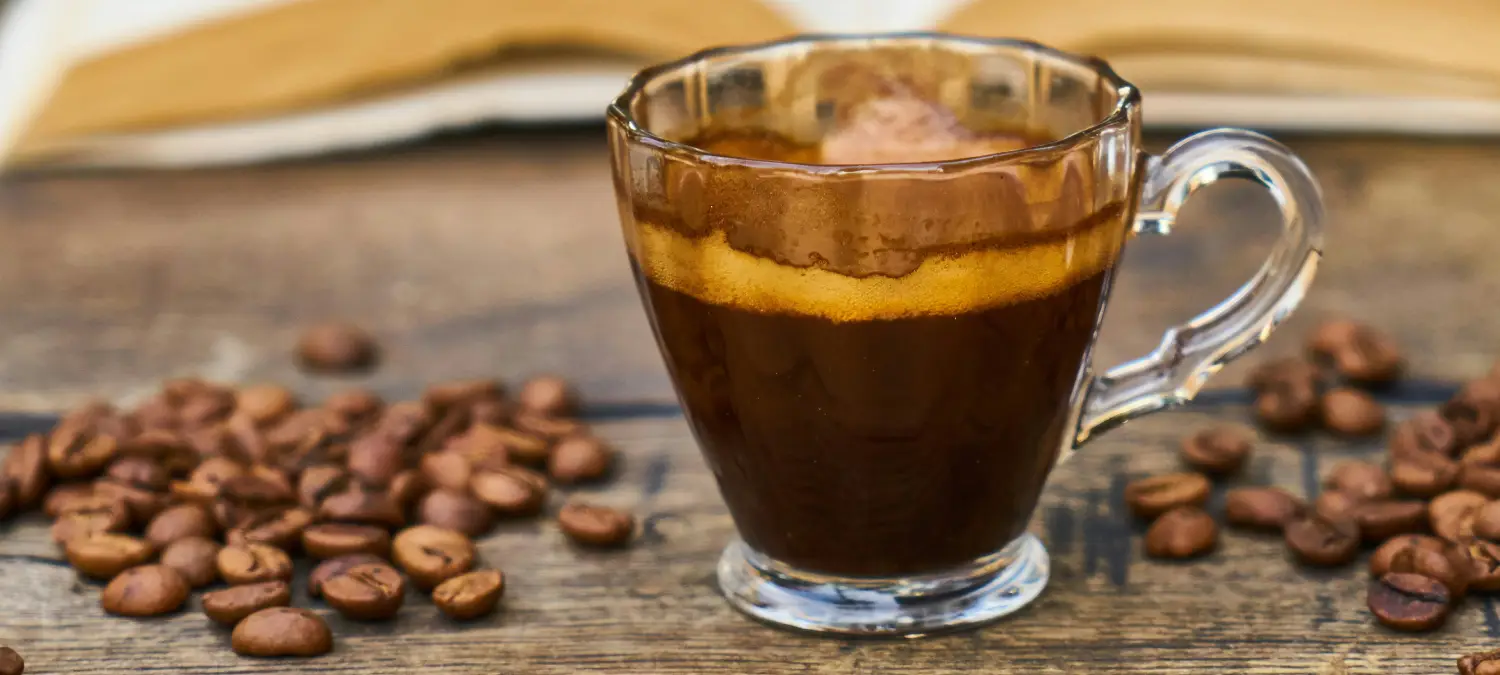
- Naturally topped with crema (a thin golden layer)
Most importantly…
👉 Espresso is not sweetened by default.
Any sugar or syrup is added after the shot is made.
How espresso is made
A standard espresso is brewed using:
- Finely ground coffee
- High pressure
- A short extraction time (usually 25–30 seconds)
The result is a concentrated, bold coffee with a clean, intense flavour.
Cafecito vs Espresso – Side-by-Side Comparison
| Feature | Cafecito | Espresso |
|---|---|---|
| Sweetened by default | ✅ Yes | ❌ No |
| Foam type | Sugar foam (espumita) | Natural crema |
| Brewing method | Stovetop style | Espresso machine |
| Cultural style | Cuban coffee tradition | Italian coffee tradition |
| Typical serving | Very small and sweet | Small and bold |
The real difference (in plain English)
Here’s the simplest way to think about it:
Cafecito = strong coffee + sugar + foam made from sugar
Espresso = strong coffee only
They may both be small and intense — but they serve completely different tastes.
If you love sweet coffee without syrups or milk, cafecito feels like a treat.
If you enjoy pure coffee flavour, espresso is your base drink.
Does cafecito use espresso?
Not exactly.
Cafecito is usually made using a stovetop brewing method, not an espresso machine.
The coffee is strong — but the extraction process is different, and the defining feature is the sugar foam.
So while it’s similar in strength, it isn’t technically espresso.
Which one should you choose?
Choose cafecito if you:
- Prefer naturally sweet coffee
- Enjoy traditional coffee rituals
- Want a small but dessert-like coffee hit
Choose espresso if you:
- Like bold, unsweetened coffee
- Make lattes, cappuccinos or americanos at home
- Want a versatile base for other drinks
Can you make cafecito at home easily?
Yes — and you don’t need a café setup.
A simple stovetop coffee maker and white sugar are enough to recreate the experience.
The only trick is whipping the first drops of coffee with sugar to make the foam.
It’s more about technique than equipment.
FAQs
Is cafecito stronger than espresso?
Not necessarily stronger — but it often feels stronger because it’s sweetened and concentrated.
The caffeine level depends more on the coffee amount and brewing ratio than the name of the drink.
Is cafecito just sweet espresso?
No.
It uses a different brewing method and includes a signature sugar foam made during the brewing process.
That foam is what really separates cafecito from espresso.
Can I use an espresso machine to make cafecito?
You can try to recreate the flavour, but it won’t be a traditional cafecito.
The classic method relies on stovetop brewing and sugar foam preparation.
Is cafecito always served black?
Yes — traditionally, cafecito does not include milk.
It’s sweetened, but still a black coffee drink.
You May Also Like ☕
- Cuban Coffee Explained – How Cafecito Is Traditionally Made
- Espresso vs Ristretto – What’s the Difference?
- Best Stovetop Coffee Makers for Home Baristas
- How to Brew Strong Coffee Without an Espresso Machine