Buying an espresso machine is an investment, whether it’s a compact pod machine or a premium home espresso setup. Naturally, one of the biggest questions people ask is how long do espresso machines last?
- ☕ Quick Summary on How Long Do Espresso Machines Last
- What Is the Average Lifespan of an Espresso Machine?
- Espresso Machine Lifespan Comparison
- What Makes an Espresso Machine Last Longer?
- How Many Coffees Can an Espresso Machine Make?
- Does Machine Type Affect Lifespan?
- What Shortens an Espresso Machine's Life?
- Signs Your Espresso Machine May Need Replacing
- Can Espresso Machines Be Repaired?
- Pros and Cons of Keeping an Older Espresso Machine
- Pros
- Cons
- Who Is This Guide Best For?
- Should You Buy a Cheap or Premium Espresso Machine?
- Alternatives to Consider
- FAQs- How Long Do Espresso Machines Last
- Verdict – How Long Do Espresso Machines Last☕✨
- You May Also Like
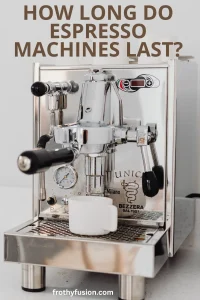
The good news is that most quality espresso machines can last 5 to 15 years, and some well-built models continue brewing excellent coffee for 20 years or more with proper maintenance.
In this How Long Do Espresso Machines Last guide, you’ll discover:
- Typical lifespan by machine type
- What causes machines to fail early
- How maintenance affects longevity
- Signs it’s time to repair or replace your machine
- Tips to help your espresso machine last as long as possible
☕ Quick Summary on How Long Do Espresso Machines Last
| Question | Quick Answer |
|---|---|
| Average espresso machine lifespan | 5–15 years |
| Premium semi-automatic machines | 10–20+ years |
| Entry-level machines | 5–8 years |
| Nespresso machines | Around 5–10 years |
| Biggest factor affecting lifespan | Regular cleaning and descaling |
| Worth repairing? | Usually yes for quality machines; often no for cheaper models |
Quick Answer to How Long Do Espresso Machines Last : Most espresso machines last between 5 and 15 years, while premium machines with regular maintenance can continue performing well for two decades or longer.
What Is the Average Lifespan of an Espresso Machine?
The lifespan depends on three main factors:
- Machine quality
- Frequency of use
- Maintenance routine
Here’s a general guide.
Espresso Machine Lifespan Comparison
| Machine Type | Average Lifespan | With Excellent Maintenance |
|---|---|---|
| Capsule (Nespresso) | 5–10 years | 10+ years |
| Entry-Level Espresso | 5–8 years | 10 years |
| Mid-Range Home Machine | 8–12 years | 15+ years |
| Premium Prosumer Machine | 10–20 years | 20–30 years |
| Commercial Espresso Machine | 7–15 years (heavy use) | 20 years |
Generally, machines with replaceable components tend to outlast models that rely on sealed electronics or disposable parts.
👉 Best Manual Espresso Machine
What Makes an Espresso Machine Last Longer?
The biggest secret on how long do espresso machines last isn’t buying the most expensive machine.
It’s maintaining it consistently.
1. Regular Descaling
Mineral buildup is one of the leading causes of espresso machine failure.
Hard water creates scale that can clog:
- Boilers
- Thermoblocks
- Pumps
- Valves
- Steam systems
If you live in a hard-water area, regular descaling is essential.
Internal link suggestion:
Learn how mineral content affects brewing in our guide to Best Coffee Water for Espresso Machines.
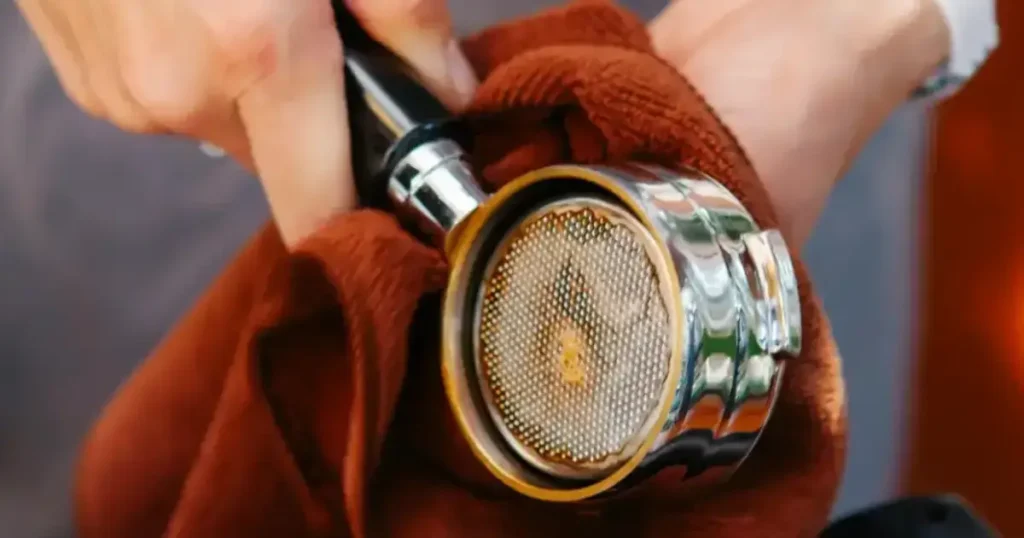
2. Cleaning After Every Use
Coffee oils gradually build up inside the machine.
Daily cleaning helps prevent:
- Bitter coffee
- Blocked shower screens
- Sticky valves
- Pump strain
For machines with a three-way solenoid valve, regular backflushing is equally important.
3. Using Filtered Water
Filtered water doesn’t just improve flavour—it also dramatically reduces mineral buildup.
Many manufacturers recommend water with balanced mineral levels rather than distilled water.
4. Replacing Small Parts
Wear items eventually need replacing:
- Group gaskets
- Shower screens
- O-rings
- Steam tips
- Water filters
Replacing inexpensive components early can prevent costly repairs later.
How Many Coffees Can an Espresso Machine Make?
Manufacturers don’t always specify years—but many components are rated by brew cycles.
Typical home machine usage:
- 2 coffees per day
- Around 730 coffees each year
After ten years:
Approximately 7,300 espresso shots
Quality pumps, boilers and brew groups are designed to handle far more than this when properly maintained.
💯👉 How Much Caffeine Is in Espresso?
Does Machine Type Affect Lifespan?
Absolutely.
Capsule Machines
Capsule machines have fewer moving parts but rely heavily on electronic components.
Average lifespan:
- 5–10 years
Many owners replace them before they actually fail due to newer features becoming available.
💯👉 See our guide comparing Nespresso Original vs Vertuo systems.
Automatic Espresso Machines
Bean-to-cup machines include:
- Grinder
- Brew unit
- Pump
- Milk system
- Electronics
More convenience usually means more components that require maintenance.
Average lifespan:
- 7–12 years
Semi-Automatic Machines
These are often considered the sweet spot for longevity.
They feature:
- Simpler construction
- Serviceable parts
- Repair-friendly designs
Examples include machines from Breville, Gaggia and Rancilio.
Average lifespan:
- 10–20 years
Prosumer Machines
Premium machines often use commercial-grade components.
Examples include:
- E61 group heads
- Copper boilers
- Stainless steel frames
- Replaceable valves
Many remain in service for decades.
What Shortens an Espresso Machine’s Life?
Several habits can dramatically reduce lifespan.
Using Hard Water
Scale buildup is the number one cause of premature failure.
Skipping Cleaning
Coffee oils become sticky and eventually clog internal components.
Leaving Milk Residue
Steam wands can clog quickly if milk isn’t wiped away immediately.
Ignoring Small Problems
A leaking gasket today can become pump damage later.
Poor Quality Beans
Very oily beans create additional residue that requires more frequent cleaning.
Want to make the perfect coffee Use our Coffee Brew Ratio Calculator
Signs Your Espresso Machine May Need Replacing
Sometimes repairs become more expensive than replacement.
Common warning signs include:
- Frequent leaks
- Weak pressure
- Poor temperature stability
- Excessive repair costs
- Loud pump noise
- Electrical faults
- Steam wand no longer performs properly
If your machine is over ten years old, compare repair costs with the price of a newer model.
💯👉 How to Make Café-Style Drinks at Home
Can Espresso Machines Be Repaired?
In many cases—yes.
Quality machines often have readily available replacement parts.
Common repairs include:
- Pump replacement
- Solenoid valve replacement
- Group gasket replacement
- Boiler seals
- Thermostat replacement
Premium machines are generally much more repairable than inexpensive entry-level models.
Pros and Cons of Keeping an Older Espresso Machine
Pros
✅ Often built with durable components
✅ Less electronic complexity
✅ Repairable with affordable replacement parts
✅ Familiar workflow
✅ Can continue making excellent espresso
Cons
❌ Repairs may eventually become costly
❌ Older machines are less energy efficient
❌ Replacement parts may become harder to source
❌ Newer machines offer improved temperature control and features
Who Is This Guide Best For?
This article on How Long Do Espresso Machines Last is especially useful if you:
- Are buying your first espresso machine
- Own a Breville or Gaggia machine
- Wonder if repairs are worthwhile
- Want your machine to last as long as possible
- Are comparing machine types before purchasing
Should You Buy a Cheap or Premium Espresso Machine?
For occasional coffee drinkers, an entry-level machine can provide many years of reliable service.
However, daily espresso enthusiasts often find that spending more upfront results in:
- Better build quality
- More consistent espresso
- Easier repairs
- Longer lifespan
- Lower long-term ownership costs
Rather than replacing a cheaper machine every few years, investing in a well-built model may offer better value over time.
Alternatives to Consider
If you’re still deciding which type of machine suits your needs, these guides can help:
- How to Choose the Right Espresso Machine for Your Home
- Breville Bambino vs Gaggia Classic
- Nespresso Pixie Review
- Nespresso Vertuo Pop Review
- Best Coffee Water for Espresso Machines
FAQs- How Long Do Espresso Machines Last
Can an espresso machine last 20 years?
Yes. Premium home espresso machines with regular servicing can easily last 20 years or more, especially those with commercial-grade components.
How often should you descale an espresso machine?
It depends on your water hardness and usage. Many home users descale every 2–3 months, while those using filtered water may need to descale less frequently.
Is it worth repairing an old espresso machine?
If it’s a quality machine with readily available parts, repairs are often worthwhile. For inexpensive entry-level machines, replacement may be more cost-effective.
Which espresso machines last the longest?
Semi-automatic and prosumer machines generally have the longest lifespan because they use durable, serviceable components.
Does using filtered water really make a difference?
Yes. Filtered water reduces mineral buildup, helping pumps, boilers and valves last significantly longer while also improving coffee flavour.
How long does a Breville espresso machine last?
Most Breville espresso machines last 8–15 years with proper maintenance, although many continue operating beyond this with regular servicing and replacement of wear parts.
Verdict – How Long Do Espresso Machines Last☕✨
Best for: Home baristas who want to maximise the value of their espresso machine.
So How Long Do Espresso Machines Last ? – Most espresso machines last between 5 and 15 years, but lifespan depends far more on maintenance than price alone. Regular descaling, cleaning, and replacing inexpensive wear parts can add many years to your machine’s life.
If you’re investing in a quality espresso machine, treating it like a long-term appliance rather than a disposable gadget will reward you with better coffee and lower ownership costs over time.
You May Also Like
If you’re building your home coffee setup, these guides are worth reading next:
- Best Coffee Water for Espresso Machines
- How to Choose the Right Espresso Machine for Beginners
- Breville Bambino vs Gaggia Classic
- Nespresso Pixie Review
- Original vs Vertuo Capsule Variety Packs
☕ Just a heads up—this post on How Long Do Espresso Machines Last contains affiliate links. If you buy through them, Frothy Fusion may earn a small commission (at no cost to you). Thanks for supporting our coffee-fueled content!on