If you’re trying to brew better coffee at home, switching from pre-ground to freshly ground beans is a game-changer. Let’s look at why in choosing between Manual vs Electric Coffee Grinders
- ⚙️ Manual Coffee Grinders – Old School, but Not Outdated
- ⚡ Electric Coffee Grinders – Fast & Convenient
- 🔍 Manual vs Electric: Side-by-Side Comparison
- What to Consider Before Choosing 🔧
- 🛠️ Recommended Grinders
- 💡 Final Thoughts: Manual vs Electric Coffee Grinders
- ❓FAQs on Manual vs Electric Coffee Grinders
- 🙌 Related Reads Manual vs Electric Coffee Grinders
But once you’re ready to invest in a grinder, the next big decision is: manual or electric? Each has its perks — and drawbacks — depending on your lifestyle, budget, and brew style.
This Manual vs Electric Coffee Grinders guide breaks down the key differences to help you choose the best fit for your home coffee setup.
⚙️ Manual Coffee Grinders – Old School, but Not Outdated
Manual coffee grinders are hand-powered and use burrs to crush coffee beans. They’re often compact, portable, and quieter than electric models.
✅ Pros:
- Budget-friendly: Great entry point for fresh grinding.
- Compact & portable: Ideal for travel, camping, or small kitchens.
- Quiet: No motor noise — grind without waking the house.
- Better grind control (at low cost): Entry-level manual grinders often outperform cheap electric ones.
❌ Cons:
- Takes effort: Grinding for espresso or large batches can be tiring.
- Slower: Expect 1–2 minutes for a single cup.
- Not ideal for multiple brews in a row.
☕ Best For:
Manual brew lovers (like AeroPress, pour-over, or French press), travelers, and those on a budget who don’t mind the extra effort.
👉 Flair 58 Manual Espresso Machine Review – The Manual Machine Built for Pros
⚡ Electric Coffee Grinders – Fast & Convenient
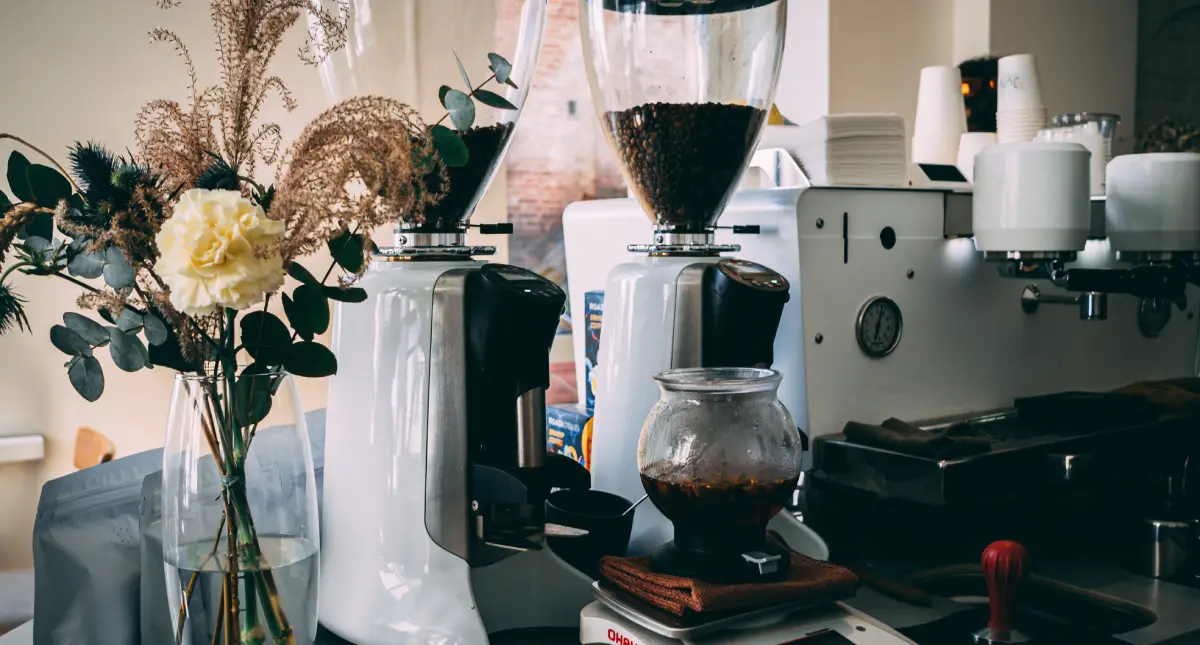
Electric grinders come in two main styles: blade and burr. Burr grinders are vastly superior for consistency — and the only type we recommend for serious coffee lovers.
✅ Pros:
- Fast & convenient: Grind enough for a full pot in seconds.
- Great for espresso: Models with fine grind settings make dial-in easier.
- Consistent results: High-quality burr grinders produce uniform grounds.
❌ Cons:
- More expensive: Expect to spend $100+ for a quality burr grinder.
- Noisier: Can be loud, especially in the morning.
- Bulkier: Takes up more space on the counter.
☕ Best For:
Daily espresso drinkers, larger households, and those who prioritize speed and consistency.
🔍 Manual vs Electric: Side-by-Side Comparison
| Feature | Manual Grinder | Electric Grinder |
|---|---|---|
| Grind Consistency | Excellent (mid to high-end models) | Excellent (burr models) |
| Speed | Slow (1–2 min/cup) | Fast (seconds) |
| Effort Required | Yes – hand-cranked | No – push button |
| Portability | Very portable | Stationary |
| Noise Level | Quiet | Loud |
| Price Range | $40–$150 | $100–$500+ |
| Best For | Single brews, travel, manual methods | Daily espresso, batch brewing |
What to Consider Before Choosing 🔧
🔹 Brewing Method
If you mainly brew pour-over, French press, or AeroPress, a manual grinder will do just fine. But for espresso, consistency and control matter — and most electric burr grinders win here.
🔹 Budget
Manual grinders are great for beginners not ready to drop a few hundred on gear. But if convenience and speed are your priorities, investing in a good electric grinder pays off.
🔹 Kitchen Space
Small kitchen? Manual grinders are easier to store. If you’re building a home coffee bar, an electric grinder can live right next to your machine.
☕ Comandante Grinder Review: Is This Premium Hand Grinder Worth It?
🛠️ Recommended Grinders
⭐ Best Manual Grinder
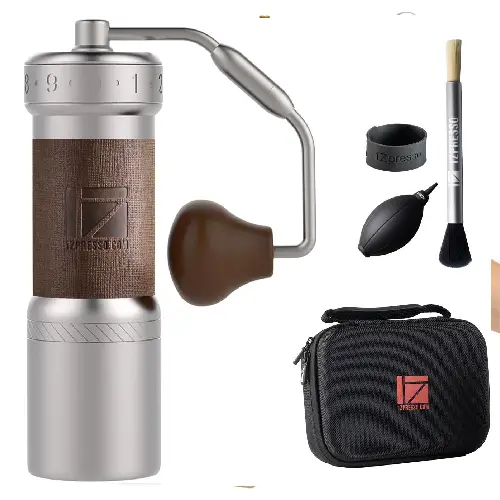
1Zpresso JX-Pro Manual Grinder
Great grind consistency, sturdy build, and micro-adjustments for espresso or filter coffee.
⭐ Best Electric Burr Grinder
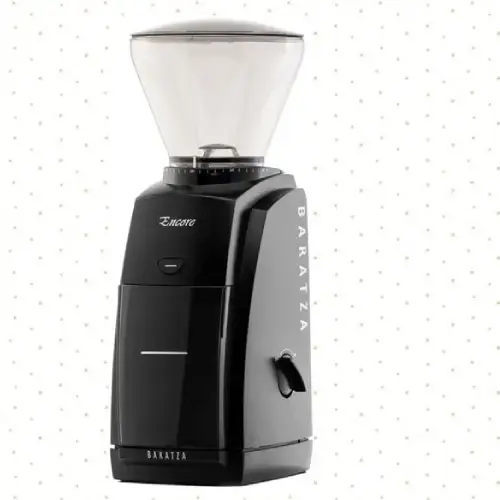
Baratza Encore
An excellent entry-level electric burr grinder for filter coffee.
⭐ Best Electric for Espresso

Eureka Mignon Specialita
Compact, quiet, and offers fine grind control — perfect for home espresso setups.
💡 Final Thoughts: Manual vs Electric Coffee Grinders
If you value portability, budget-friendliness, and a hands-on ritual, a manual grinder is a charming and effective choice — especially for manual brewing methods.
But if you’re after speed, convenience, and daily espresso performance, an electric burr grinder is well worth the investment.
Whatever you choose, upgrading to freshly ground coffee is one of the best moves you can make to elevate your daily brew.
❓FAQs on Manual vs Electric Coffee Grinders
❓ Is a manual coffee grinder better than an electric one?
It depends on your needs. Manual grinders are budget-friendly, portable, and quiet — great for single brews and travel. Electric grinders are faster, more convenient, and better suited for espresso and larger batches.
❓ Can you grind espresso with a manual coffee grinder?
Yes — but only with certain models. High-quality manual grinders like the 1Zpresso JX-Pro offer fine enough settings for espresso. Cheaper models often lack the precision needed.
❓ Do electric coffee grinders make a lot of noise?
Most electric grinders, especially burr models, do make noticeable noise when grinding. However, some premium models like the Eureka Mignon Specialita are designed to be much quieter than average.
❓ Are manual grinders hard to use?
Not at all — but they do require physical effort. Grinding for a single cup of pour-over or French press takes about 1–2 minutes of cranking. For daily espresso or multiple cups, it can become tiring.
❓ What type of coffee grinder is best for beginners?
Manual grinders are a great entry point for beginners brewing with pour-over, AeroPress, or French press. If you’re diving into espresso, a reliable electric burr grinder is worth the investment for consistency and ease.
Still Deciding Which Grinder to Get?
Check out our favorite models — from beginner-friendly hand grinders to top-tier electric burr grinders built for espresso perfection. 🔍 Compare Our Top Coffee Grinder Picks
🙌 Related Reads Manual vs Electric Coffee Grinders
- 🔸 Blade vs Burr Grinders: What’s the Real Difference?
- 🔸 Best Budget Espresso Grinders for Home Use
- 🔸 How To Make Better Coffee at Home (Beginner’s Guide)
☕ Just a heads up—this Manual vs Electric Coffee Grinders basics post contains affiliate links. If you buy through them, Frothy Fusion may earn a small commission (at no cost to you). Thanks for supporting our coffee-fueled content!