
What Is a Barista? ☕
If you’ve ever ordered a cappuccino, latte, or espresso from a café, chances are a barista made it for you. But what is a barista — and what do they actually do?
- What Is a Barista? ☕
- Quick Summary for What is A Barista☕✨
- What is A Barista and What Do They Do?
- Barista Meaning Explained
- Types of Baristas
- Essential Barista Skills
- Barista Tools & Equipment ☕⚙️
- Barista vs Home Brewer
- Pros & Cons of Becoming a Barista
- Who Becoming a Barista Is Best For
- Can You Become a Home Barista?
- Alternatives to Espresso Barista Brewing
- Coffee Alternatives 🍵
- Is Being a Barista Hard?
- FAQs About Baristas ☕
- Verdict: What Is a Barista? ☕✨
- You May Also Like ☕

A barista is much more than someone who presses buttons on a coffee machine.
They’re trained coffee professionals who prepare espresso drinks, steam milk, dial in grinders, and help create the café experience people love.
In this guide, you’ll learn:
- What is a barista and what do they do
- The skills baristas need
- The difference between café baristas and home baristas
- Tools commonly used by baristas
- Whether becoming a barista is worth it ☕✨
Quick Summary for What is A Barista☕✨
| Question | Quick Answer |
|---|---|
| What is a barista? | A person trained to prepare espresso-based coffee drinks |
| Where do baristas work? | Coffee shops, cafés, restaurants, and specialty coffee bars |
| Do baristas need training? | Basic training helps, especially for espresso preparation |
| Can you become a home barista? | Absolutely — many coffee lovers build café-style setups at home |
| Main skills needed | Espresso extraction, milk steaming, customer service, workflow |
What is A Barista and What Do They Do?
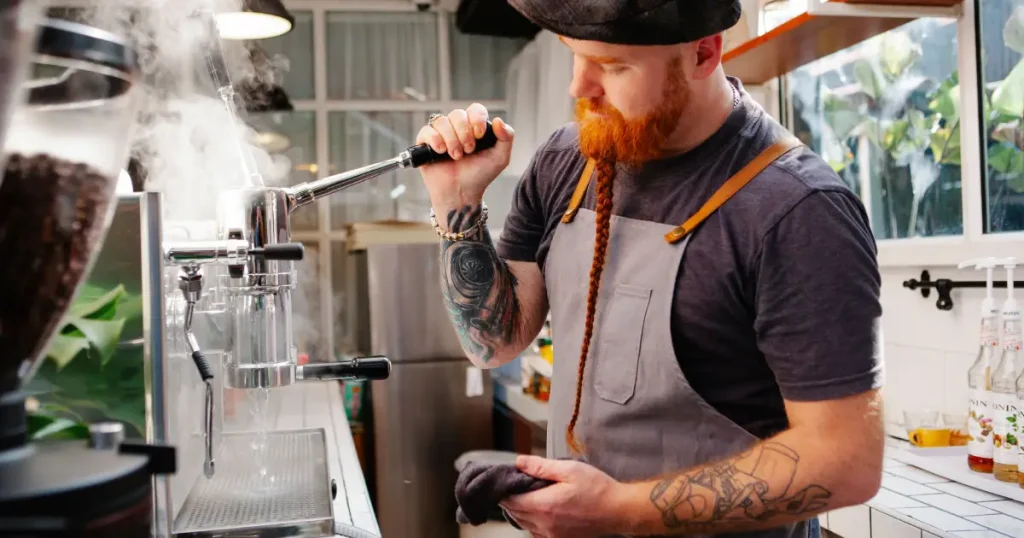
A barista prepares coffee beverages using espresso machines, grinders, milk frothers, and brewing equipment.
Their job usually includes:
- Pulling espresso shots
- Steaming and texturing milk
- Making drinks like lattes and cappuccinos
- Grinding coffee beans correctly
- Cleaning coffee equipment
- Serving customers
- Maintaining drink consistency
In specialty coffee cafés, baristas may also:
- Adjust grind settings throughout the day
- Weigh espresso doses
- Monitor extraction times
- Create latte art
- Recommend coffee beans or brewing methods
If you’re learning coffee basics at home, understanding the role of a barista also helps improve your own brewing skills. You can start with guides like “espresso extraction” to understand how professionals build better coffee.
Barista Meaning Explained
The word barista comes from Italian and traditionally means “bartender.” In modern coffee culture, it refers specifically to someone who prepares coffee beverages — especially espresso-based drinks.
Today, professional baristas are often associated with:
- Specialty coffee shops
- Espresso expertise
- Latte art
- Coffee education
- Café workflow efficiency
Types of Baristas
Café Barista
A café barista works professionally in a coffee shop or restaurant.
They focus on:
- Speed and consistency
- Customer service
- Multi-tasking during busy periods
- Efficient drink preparation
Specialty Coffee Barista
These baristas work in higher-end coffee shops focused on premium beans and advanced brewing techniques.
They often:
- Dial in espresso multiple times daily
- Use precision scales and timers
- Understand coffee origins and roasting
- Create advanced latte art
Home Barista ☕
A home barista is someone who enjoys making café-style coffee at home.
Many coffee enthusiasts build their own setup with:
- Espresso machines
- Burr grinders
- Milk frothers
- Precision accessories
If you’re setting up your own coffee station, beginner-friendly guides like “best espresso machines” or “manual espresso machines” can help you choose the right gear.
Essential Barista Skills
1. Espresso Extraction
Baristas must understand:
- Brew ratios
- Shot timing
- Grind size
- Extraction balance
Small changes can dramatically affect flavor.
Related reading:
2. Milk Steaming
Milk texture is crucial for drinks like:
- Lattes
- Cappuccinos
- Flat whites
Good milk steaming creates smooth microfoam and balanced texture.
3. Workflow & Speed
Busy cafés require efficient workflow.
Professional baristas learn:
- Drink sequencing
- Equipment management
- Fast cleaning routines
- Multi-order preparation
4. Customer Service
Coffee shops rely heavily on customer experience.
Friendly interaction and drink consistency matter almost as much as coffee quality.
Barista Tools & Equipment ☕⚙️
Here are some of the most common tools baristas use:
| Tool | Purpose |
|---|---|
| Espresso Machine | Brews espresso shots |
| Burr Grinder | Creates consistent coffee grounds |
| Tamper | Compresses coffee in the portafilter |
| Milk Pitcher | Steams milk for espresso drinks |
| Scale | Measures coffee dose and yield |
| WDT Tool | Improves espresso puck distribution |
| Knock Box | Disposes used coffee pucks |
Home users often start with beginner equipment before upgrading over time.
Helpful related guides:
Barista vs Home Brewer
| Home Brewer | Barista |
|---|---|
| Makes coffee casually | Trained coffee preparation |
| Focuses on convenience | Focuses on consistency |
| May use basic equipment | Uses professional tools |
| Learns gradually | Often trained or experienced |
That said, many home brewers become highly skilled over time — especially with modern home espresso machines.
Pros & Cons of Becoming a Barista
Pros ☕
- Learn professional coffee skills
- Work in café environments
- Creative outlet through latte art
- Great entry into specialty coffee
- Skills transfer well to home brewing
Cons
- Fast-paced work environment
- Early morning shifts
- Repetitive during busy hours
- Physically demanding at times
- Requires multitasking under pressure
Who Becoming a Barista Is Best For
Becoming a barista may suit you if you:
- Love coffee culture
- Enjoy hands-on work
- Like learning technical skills
- Appreciate café environments
- Want to improve home coffee making
It’s especially popular among:
- Coffee enthusiasts
- Students
- Hospitality workers
- Creative personalities
- Home espresso hobbyists
Can You Become a Home Barista?
Absolutely ☕✨
Many people now create café-style coffee setups at home using compact espresso machines and grinders.
A simple beginner setup might include:
- Entry-level espresso machine
- Burr grinder
- Milk pitcher
- Scale
- Fresh coffee beans
If you’re exploring home brewing, you may also enjoy:
- “how to make better coffee at home”
- “beginner espresso tips”
- “manual vs automatic espresso machines”
Alternatives to Espresso Barista Brewing
Not everyone wants a full espresso setup.
Some popular alternatives include:
Pour Over Coffee
Simple, clean, and beginner-friendly.
French Press
Rich-bodied coffee with minimal equipment.
AeroPress
Portable and versatile brewing.
Coffee Alternatives 🍵
Some people also explore:
- Matcha
- Mushroom coffee
- Low acid coffee
- Decaf coffee options
You can also compare brewing styles with related guides like:
Is Being a Barista Hard?
Being a barista can be challenging at first, especially during busy café rushes.
The hardest parts are usually:
- Learning espresso consistency
- Managing multiple drink orders
- Steaming milk correctly
- Working quickly under pressure
However, most beginners improve rapidly with practice.
FAQs About Baristas ☕
What is the main job of a barista?
A barista prepares coffee drinks, especially espresso-based beverages like lattes, cappuccinos, and flat whites.
Do baristas need qualifications?
Formal qualifications are not always required, but coffee training and hands-on experience help significantly.
What skills should a beginner barista learn first?
The most important beginner skills are:
Espresso extraction
Milk steaming
Grinder adjustment
Workflow efficiency
Can you become a barista without experience?
Yes. Many cafés train beginner baristas on the job.
What’s the difference between a barista and a bartender?
A bartender mainly prepares alcoholic drinks, while a barista focuses on coffee beverages.
Do home baristas use professional equipment?
Some do. Many coffee enthusiasts gradually upgrade to prosumer espresso machines and premium grinders.
Verdict: What Is a Barista? ☕✨
A barista is a skilled coffee professional who prepares espresso drinks, steams milk, and helps create the café experience people enjoy every day.
Whether working in a busy specialty café or building a dream espresso setup at home, baristas combine technical skill, creativity, and consistency to make better coffee.
For beginners, learning barista fundamentals can dramatically improve home coffee quality — even with simple equipment.
You May Also Like ☕
- Espresso Extraction Guide: How to Pull Better Shots
- Best Espresso Machines for Home Baristas
☕ Just a heads up—this post contains affiliate links. If you buy through them, Frothy Fusion may earn a small commission (at no cost to you). Thanks for supporting our coffee-fueled content!