If you love the idea of crafting café-style espresso completely by hand, manual espresso machines might become your new obsession.
- Quick Summary ☕
- Quick Answer
- What Is a Manual Espresso Machine?
- The Two Main Types
- Why Coffee Enthusiasts Love Manual Espresso Machines ☕✨
- The Downsides of Manual Espresso Machines
- Manual vs Semi-Automatic vs Fully Automatic Espresso Machines
- Quick Take ☕
- Pros and Cons of Manual Espresso Machines
- Who Are Manual Espresso Machines Best For?
- Best Features to Look For in a Manual Espresso Machine
- Popular Manual Espresso Machines Worth Considering ☕
- Beginner Tips for Better Manual Espresso ☕✨
- Alternatives to Manual Espresso Machines
- Verdict Box ☕🏆
- Are Manual Espresso Machines Worth It?
- Frequently Asked Questions
- You May Also Like ☕✨
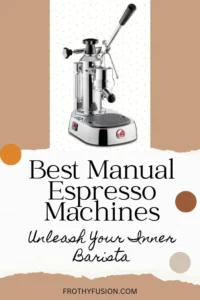
Unlike automatic machines that handle pressure and timing for you, manual espresso makers put you in full control.
That means more skill, more involvement… and often, better espresso once you learn the process.
For coffee lovers who enjoy the ritual of brewing, lever machines deliver a hands-on experience that feels closer to traditional Italian espresso culture.
In this guide, you’ll learn:
- What manual espresso machines actually are
- The different types available
- Their pros and cons
- Who they’re best for
- How they compare to semi-automatic and fully automatic machines
- Which models are worth considering
Quick Summary ☕
| Feature | Manual Espresso Machines |
|---|---|
| Ease of Use | Moderate to Difficult |
| Espresso Quality | Excellent in skilled hands |
| Control Level | Very High |
| Learning Curve | Steep |
| Best For | Enthusiasts & hobbyists |
| Portability | Some models are highly portable |
| Electricity Required | Often no |
Quick Answer
A manual espresso machine is a hand-operated espresso maker where the user controls pressure, extraction, and brewing.
They offer maximum control and can produce exceptional espresso, but they require practice and patience.
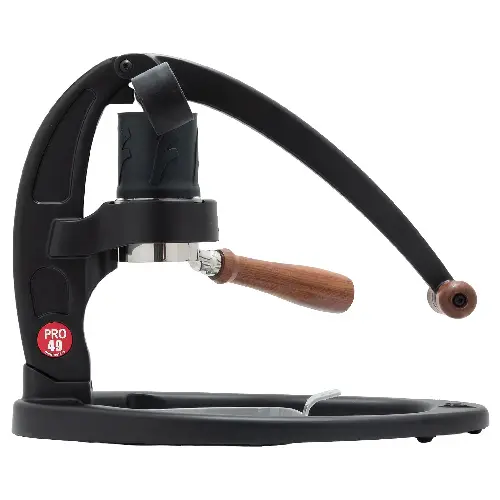
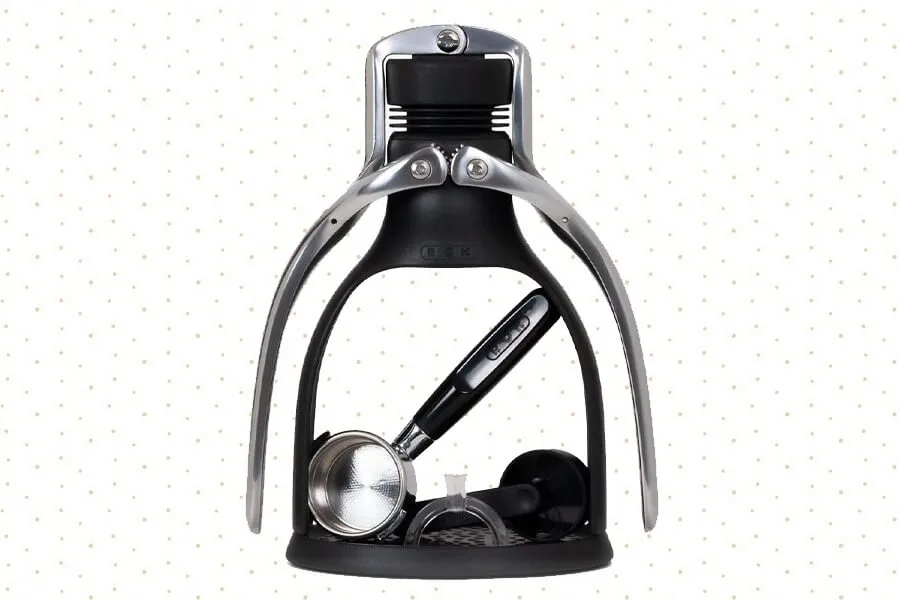
☕ Our Top Picks

What Is a Manual Espresso Machine?
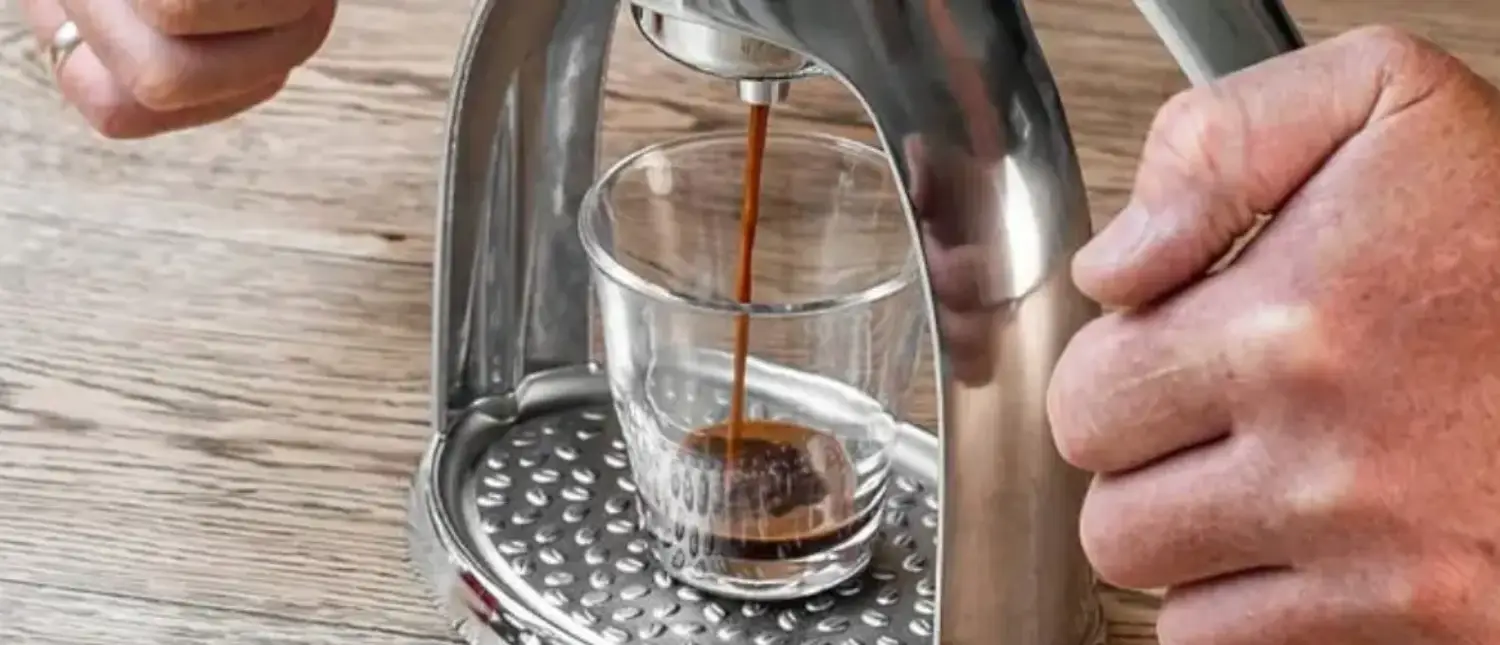
A manual espresso machine is an espresso maker that relies on human pressure rather than automated pumps.
Instead of pressing a button, you manually operate a lever or hand pump to force hot water through finely ground coffee.
This style of brewing dates back to the earliest espresso machines and is still loved by coffee enthusiasts today.
👉 Flair 58 Manual Espresso Machine Review – The Manual Machine Built for Pros
The Two Main Types
Lever Espresso Machines
These use a physical lever to create brewing pressure.
They’re often considered the most authentic style of manual espresso brewing.
Portable Hand-Pump Espresso Makers
Compact devices designed for travel, camping, or minimalist setups.
These are popular with travelers and outdoor coffee lovers.
Why Coffee Enthusiasts Love Manual Espresso Machines ☕✨
Manual machines create a very different brewing experience compared to push-button espresso makers.
1. Total Brewing Control
You control:
- Pressure
- Pre-infusion
- Extraction time
- Flow rate
That level of control allows experienced users to fine-tune flavor precisely.
2. Better Brewing Ritual
Many home baristas enjoy the slower, more intentional process.
Brewing becomes part hobby, part craft.
3. Often Incredible Espresso Quality
A skilled user can produce espresso shots that rival expensive commercial setups.
This is especially true when paired with:
- Fresh beans
- A quality grinder
- Proper technique
If you’re still learning about grinders, check out our guide to burr vs blade grinders and why grind consistency matters for espresso.
4. Portable Options Exist
Some manual espresso makers are compact enough for:
- Camping
- Travel
- Office setups
- Van life coffee stations
The Downsides of Manual Espresso Machines
Manual machines aren’t for everyone.
Steeper Learning Curve
You’ll need to learn:
- Proper tamping
- Grind size
- Pressure control
- Shot timing
Beginners may struggle initially.
Slower Brewing
Manual brewing takes more time than pod or automatic systems.
If convenience matters most, you may prefer pod espresso machines or fully automatic espresso machines instead.
Requires a Good Grinder
Manual espresso brewing depends heavily on grind quality.
Pre-ground coffee rarely delivers the best results.
A quality burr grinder becomes almost essential.
Manual vs Semi-Automatic vs Fully Automatic Espresso Machines
| Feature | Manual | Semi-Automatic | Fully Automatic |
|---|---|---|---|
| User Control | Highest | Moderate | Low |
| Convenience | Low | Medium | High |
| Learning Curve | High | Medium | Low |
| Espresso Customisation | Excellent | Very Good | Limited |
| Speed | Slow | Medium | Fast |
| Best For | Enthusiasts | Most home users | Convenience seekers |
Quick Take ☕
- Manual = maximum control
- Semi-automatic = best balance
- Fully automatic = easiest experience
If you want balance between skill and convenience, our guide to semi-automatic espresso machines is a great next read.
Pros and Cons of Manual Espresso Machines
Pros ✅
- Exceptional espresso potential
- Full control over extraction
- Beautiful traditional brewing experience
- Often quieter than pump machines
- Some models require no electricity
- Great for espresso enthusiasts
Cons ❌
- Requires practice
- Slower workflow
- Can be inconsistent for beginners
- Usually no milk steaming automation
- Quality grinder often required
Who Are Manual Espresso Machines Best For?
Manual espresso makers are ideal for:
Coffee Enthusiasts
People who enjoy experimenting with espresso extraction and flavor profiles.
Home Baristas
Users building a café-style coffee setup at home.
Minimalists
Those wanting fewer electronics and simpler brewing gear.
Travelers & Campers
Portable manual machines work brilliantly for travel coffee setups.
Best Features to Look For in a Manual Espresso Machine
Build Quality
Look for:
- Stainless steel components
- Durable levers
- Solid portafilters
Manual machines experience physical force regularly.
Pressure Capability
Good espresso typically requires around 9 bars of pressure.
Some premium manual models can achieve this consistently.
Temperature Stability
Stable brewing temperature improves espresso flavor and consistency.
Portability
If travel matters, smaller compact machines are worth considering.
Popular Manual Espresso Machines Worth Considering ☕
Some of the most talked-about manual espresso machines include:
Each has a different balance of:
- Portability
- Learning curve
- Traditional styling
- Espresso quality
For those comparing styles, our guide to PID espresso machines explains how temperature control impacts espresso consistency.
Beginner Tips for Better Manual Espresso ☕✨
Use Fresh Coffee Beans
Freshly roasted beans dramatically improve espresso flavor.
Invest in a Burr Grinder
Consistent grind size is critical for manual espresso success.
You can also explore our complete guide to coffee grinders for beginners.
Practice Pressure Consistency
Smooth, steady pressure helps create balanced extraction.
Preheat Everything
Cold equipment can reduce espresso quality quickly.
Preheat:
- Portafilter
- Brew chamber
- Cups
Alternatives to Manual Espresso Machines
If manual brewing feels too advanced, there are easier alternatives.
Semi-Automatic Espresso Machines
Great middle ground between control and convenience.
Fully Automatic Espresso Machines
Best for quick daily espresso with minimal effort.
Pod Espresso Machines
Simple and beginner-friendly with fast cleanup.
Lever Espresso Machines
A more traditional subset of manual espresso makers focused on classic brewing style.
Verdict Box ☕🏆
Are Manual Espresso Machines Worth It?
Best For:
- Coffee hobbyists
- Espresso enthusiasts
- Home baristas who enjoy experimentation
- Travelers wanting non-electric espresso
Probably NOT Ideal For:
- People wanting quick coffee
- Complete beginners seeking convenience
- Busy households needing fast drinks
Final Verdict
Manual espresso machines can produce some of the best espresso possible at home — but only if you enjoy the process as much as the result.
They reward patience, practice, and precision.
For many coffee lovers, that’s exactly the appeal.
Frequently Asked Questions
Are manual espresso machines hard to use?
Yes, they have a learning curve compared to automatic machines. However, many users enjoy the hands-on brewing process once they learn the basics.
Do manual espresso machines need electricity?
Some do not. Many portable manual espresso makers are completely hand-powered.
Are manual espresso machines better than automatic ones?
Not necessarily better — just different.
Manual machines offer more control and customization, while automatic machines focus on convenience and speed.
What grinder is best for manual espresso machines?
A burr grinder is strongly recommended because espresso requires a very consistent grind size.
Are manual espresso machines good for beginners?
They can be, but beginners should expect a learning period before achieving consistently great espresso.
You May Also Like ☕✨
- Semi-Automatic Espresso Machines: Finding the Sweet Spot Between Control & Convenience
- Fully Automatic Espresso Machines for Easy Café-Style Coffee at Home
- PID Espresso Machines Explained for Better Temperature Control
- Pod Espresso Machines: Convenience vs Espresso Quality
- Coffee Grinder Guide for Home Baristas
☕ Just a heads up—this post contains affiliate links. If you buy through them, Frothy Fusion may earn a small commission (at no cost to you). Thanks for supporting our coffee-fueled content!