Ever seen the term “PID” and wondered what is a PID espresso machine or if it’s just another marketing gimmick?
Here’s a simple breakdown of what it does — and whether it’s worth paying extra for 🔧☕.
- 🧠 What Is a PID Controller?
- 🔥 Why Does Temperature Matter?
- 🔍 PID vs Non-PID: Real-World Example
- 🛠️ Can You Add a PID Later?
- 💸 Is a PID Worth It?
- ❓FAQs
- 🔥 What does PID mean in an espresso machine?
- 📈 Why is temperature stability important for espresso?
- 🤔 Do I really need a PID in my espresso machine?
- 💸 Are PID espresso machines worth the extra cost?
- 🧊 Can I add a PID controller to a non-PID espresso machine?
- ⚙️ Is a PID the same as a pressure gauge?
- ☕ Do beginner espresso drinkers need a PID machine?
- 📊 What's the ideal brew temperature for espresso?
- 🔗 Related Reads
- ✅ Final Verdict
🧠 What Is a PID Controller?
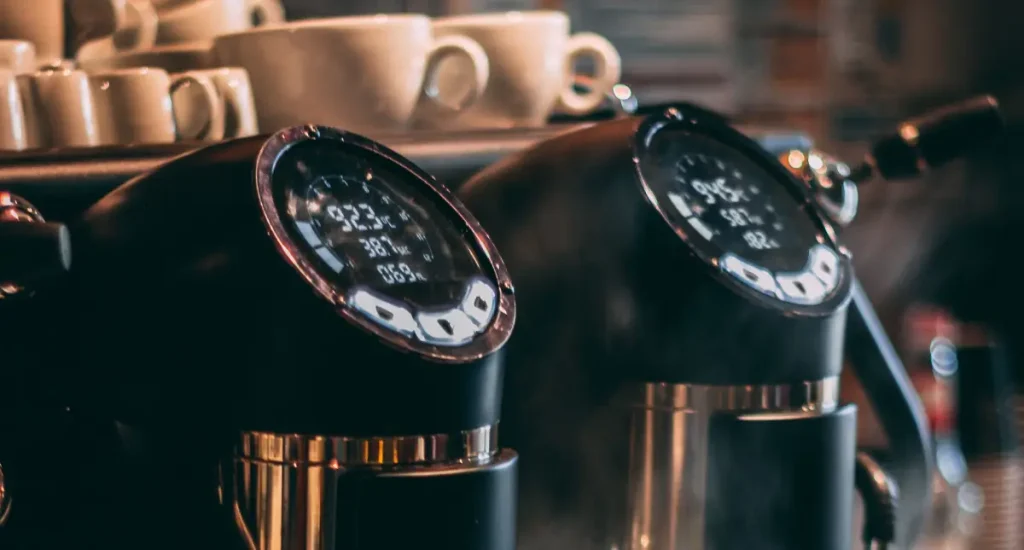
PID stands for Proportional-Integral-Derivative — a fancy name for a smart temperature controller.
In espresso machines, it replaces the old-school thermostat and keeps the brew water at a very precise temperature, usually within 1°C or less.
This means:
- ✅ More consistent espresso
- ✅ Less temperature fluctuation
- ✅ Easier dialing in
🔥 Why Does Temperature Matter?
Espresso is sensitive. Even a 2–3°C difference can affect:
- Taste (sour vs bitter)
- Extraction
- Shot consistency
A PID makes sure your machine hits the sweet spot every time, even during back-to-back shots.
👉 Ascaso Espresso Machine Review
🔍 PID vs Non-PID: Real-World Example
| Feature | Non-PID Machine | PID-Controlled Machine |
|---|---|---|
| Temperature Control | ❗ Thermostat: fluctuates | ✅ Precision control |
| Espresso Consistency | 😬 Variable | ☕ Reliable |
| Warm-Up Behavior | 🕒 Slower to stabilize | ⚡ Predictable |
| Ideal For | Beginners, budget buyers | Enthusiasts, perfectionists |
🛠️ Can You Add a PID Later?
Yes, some machines like the Gaggia Classic Pro can be modded with an aftermarket PID kit.
BUT — not all machines are easy to mod, and doing it wrong can void warranties or damage the unit ⚠️.
If you want PID from the start, check this list:
👉 Best Budget Espresso Machines With PID
💸 Is a PID Worth It?
👉 Yes, if you care about espresso quality and consistency.
👉 Maybe not, if you’re just getting started and want to save money.
It’s not essential, but it’s one of the biggest upgrades you can get for the price.
❓FAQs
🔥 What does PID mean in an espresso machine?
PID stands for Proportional-Integral-Derivative. It’s a type of digital temperature controller that keeps the water temperature stable during espresso extraction—essential for consistency and better-tasting espresso.
📈 Why is temperature stability important for espresso?
Even small temperature changes can affect the flavor. A stable temperature ensures the coffee grounds extract evenly, which brings out the best balance of flavors in your shot.
🤔 Do I really need a PID in my espresso machine?
If you’re serious about espresso and want precision and consistency, a PID controller is highly recommended. It’s especially valuable if you’re dialing in shots at home or making multiple drinks in a row.
💸 Are PID espresso machines worth the extra cost?
Yes—for many users. While they may cost more upfront, PID machines help prevent temperature fluctuations, making it easier to pull great-tasting shots and reduce waste from poorly extracted espresso.
🧊 Can I add a PID controller to a non-PID espresso machine?
In some cases, yes. There are aftermarket PID kits for certain machines like the Gaggia Classic Pro, but installation can be technical and may void the warranty.
⚙️ Is a PID the same as a pressure gauge?
No. A PID controls temperature, while a pressure gauge measures the brewing pressure. Both are useful tools, but they serve different functions in espresso making.
☕ Do beginner espresso drinkers need a PID machine?
Not necessarily, but it helps. Beginners can still make good espresso on non-PID machines, but learning is easier and more repeatable with the temperature control that PID offers.
📊 What’s the ideal brew temperature for espresso?
Most espresso tastes best when brewed between 195°F and 205°F (90–96°C). A PID allows you to fine-tune this range and maintain it consistently throughout the shot.
🔗 Related Reads
- Cheap PID Espresso Machines – Great Picks Under $1,000
- Gaggia Classic Pro vs Breville Bambino – Which One Wins?
- Best Espresso Machines for Beginners – Full Guide
✅ Final Verdict
A PID espresso machine takes the guesswork out of temperature control and helps you get café-quality results at home. If you’re ready to level up your espresso game, it’s 100% worth it.
☕ Just a heads up—this post contains affiliate links. If you buy through them, Frothy Fusion may earn a small commission (at no cost to you). Thanks for supporting our coffee-fueled content!