
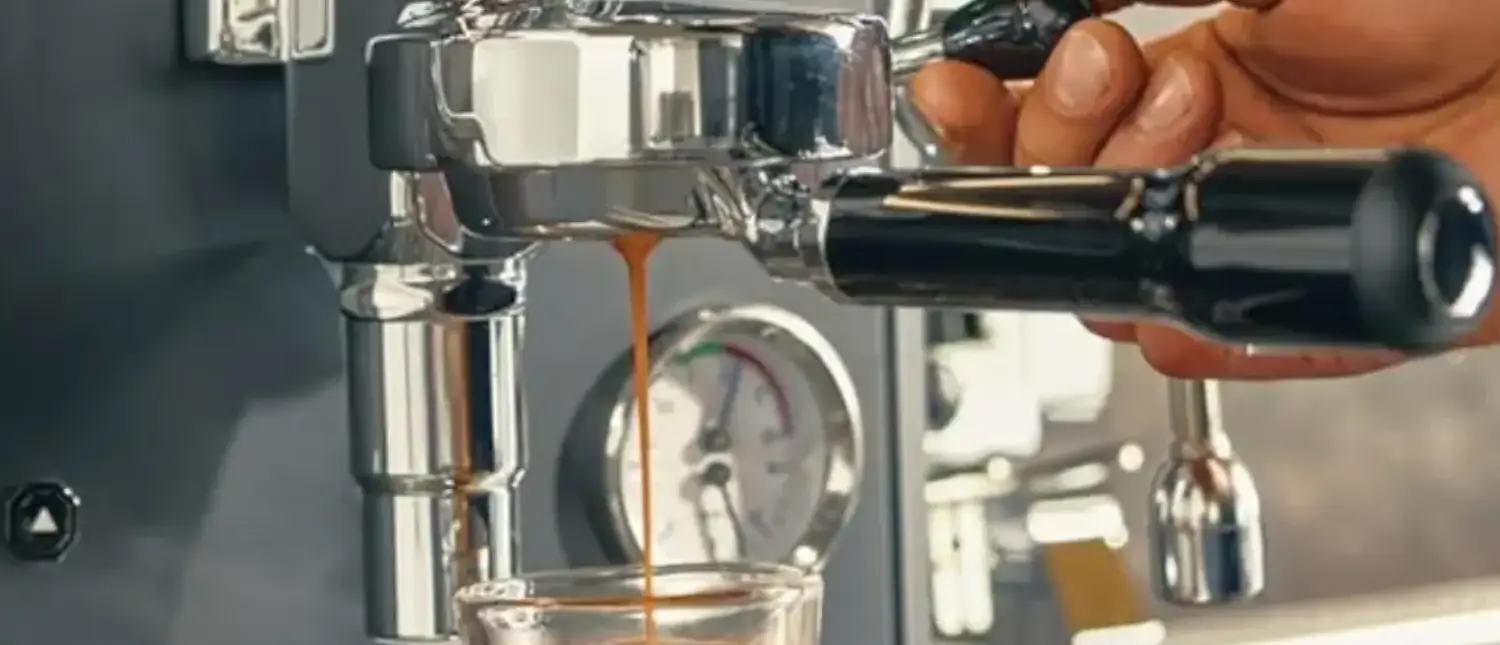
If you want more consistent espresso shots, better temperature control, and café-style results at home, a PID espresso machine is absolutely worth considering.
- PID Espresso Machines: Are They Worth It for Better Espresso? ☕✨
- What Is a PID Espresso Machine?
- Quick Answer ☕
- How PID Temperature Control Works
- Simplified Example
- Why Temperature Stability Matters for Espresso
- Quick Take ☕
- Benefits of PID Espresso Machines ☕✨
- Downsides of PID Espresso Machines
- Who Should Buy a PID Espresso Machine?
- Best For ☕
- Maybe Not Ideal For
- Are PID Espresso Machines Worth It?
- Alternatives to PID Espresso Machines
- Pros & Cons of PID Espresso Machines
- Verdict Box ☕✨
- Frequently Asked Questions
- You May Also Like ☕✨

A PID controller helps keep brewing temperatures stable, which means:
- Better espresso flavor consistency
- Easier dialing in
- Improved milk steaming timing
- Less temperature guessing
They’re especially popular with:
- Home baristas
- Espresso enthusiasts
- People upgrading from entry-level machines
PID Espresso Machines: Are They Worth It for Better Espresso? ☕✨
Making great espresso is all about consistency ☕
One of the biggest factors affecting espresso flavor is brewing temperature. Even tiny temperature swings can change how your coffee tastes.
That’s where PID espresso machines come in.
A PID controller helps an espresso machine maintain a stable brewing temperature, giving you smoother shots, more predictable extraction, and better overall coffee quality.
In this guide, you’ll learn:
- What a PID espresso machine actually is
- How PID temperature control works
- The pros and cons
- Who should buy one
- Whether it’s worth upgrading
What Is a PID Espresso Machine?
A PID espresso machine uses a PID controller to regulate water temperature more accurately than traditional thermostats.
PID stands for:
- Proportional
- Integral
- Derivative
The controller constantly monitors and adjusts the boiler temperature to keep it stable during brewing.
Quick Answer ☕
A PID espresso machine keeps brewing temperatures more consistent, helping produce more balanced and repeatable espresso shots.
Without PID control, temperatures can fluctuate significantly, which may lead to:
- Bitter shots
- Sour espresso
- Inconsistent extraction
- Difficulty dialing in beans
☕ Our Top Picks
⭐ Best Overall
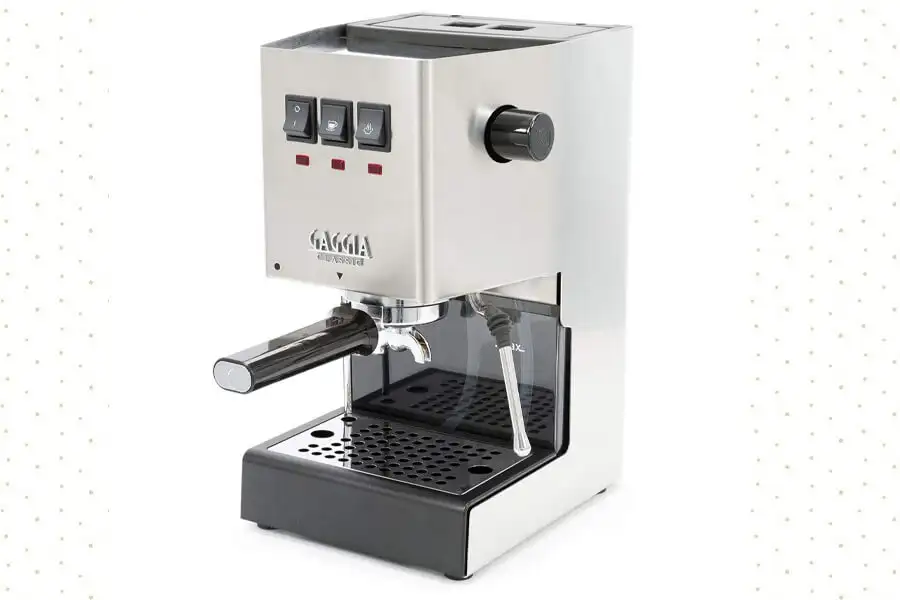
Gaggia Classic Pro
Semi-automatic machine with commercial-style steam wand
Check Price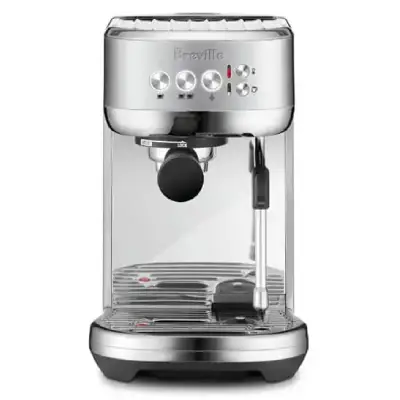

How PID Temperature Control Works
Traditional espresso machines often rely on basic thermostats.
These systems:
- Heat the boiler
- Overshoot the target temperature
- Cool down
- Reheat again
That temperature cycling can affect espresso quality.
A PID controller continuously makes tiny adjustments to keep the machine near the exact target temperature.
Simplified Example
Instead of bouncing between:
- 88°C → 98°C
A PID machine may stay close to:
- 93°C → 94°C
That tighter control helps create more consistent extractions shot after shot.
Why Temperature Stability Matters for Espresso
Espresso extraction is extremely sensitive to heat.
Different temperatures highlight different flavors:
| Temperature | Flavor Impact |
|---|---|
| Lower temps | More acidity, lighter body |
| Medium temps | Balanced sweetness |
| Higher temps | More bitterness and body |
With stable temperatures, it becomes easier to:
- Dial in espresso
- Repeat good shots
- Experiment with beans
- Improve milk drinks
This is one reason many enthusiasts upgrade from entry-level machines to PID-equipped models.
If you’re still learning espresso basics, our guide to how espresso machines work is a great starting point.
PID Espresso Machines vs Traditional Espresso Machines
| Feature | PID Machines | Traditional Machines |
|---|---|---|
| Temperature Stability | Excellent | Moderate |
| Espresso Consistency | High | Variable |
| Ease of Dialing In | Easier | Harder |
| Shot Repeatability | Reliable | Less predictable |
| Price | Usually higher | Often cheaper |
| User Control | More precise | Limited |
Quick Take ☕
If you care about espresso quality and consistency, PID control is one of the most valuable upgrades you can get.
Benefits of PID Espresso Machines ☕✨
1. More Consistent Espresso
The biggest advantage is repeatability.
Once you dial in a shot, you’re more likely to get the same result every time.
2. Better Flavor Balance
Stable temperatures help avoid:
- Under-extraction
- Over-extraction
- Bitter notes
- Sour shots
This can noticeably improve sweetness and clarity.
3. Easier for Beginners
Ironically, PID machines can actually make espresso easier for beginners because the machine removes some guesswork.
Pairing a PID machine with one of the best burr grinders can dramatically improve espresso quality.
4. Adjustable Brew Temperatures
Many PID machines let you manually set brew temperature.
That means you can customize extraction based on:
- Light roasts
- Dark roasts
- Specialty beans
- Milk drinks
5. Better Steam Performance Timing
On single boiler machines, PID systems often improve steam management and recovery time.
This is especially useful for home cappuccino lovers.
You may also enjoy our guide to creating the ideal home barista setup.
Downsides of PID Espresso Machines
No machine is perfect.
Higher Price
PID-equipped espresso machines usually cost more than basic models.
However, many coffee lovers feel the consistency upgrade is worth it.
More Settings Can Feel Intimidating
Some beginners may initially feel overwhelmed by:
- Temperature settings
- Shot timing
- Dial-in adjustments
But most users adapt quickly.
Not a Magic Fix
A PID controller helps — but it won’t fix:
- Poor grinders
- Old beans
- Incorrect tamping
- Bad technique
Espresso still requires practice.
Who Should Buy a PID Espresso Machine?
Best For ☕
Home Baristas
People making espresso daily will benefit most.
Espresso Enthusiasts
If you enjoy experimenting with beans and recipes, PID control is incredibly useful.
Milk Drink Fans
PID machines help with smoother workflow for lattes and cappuccinos.
Coffee Hobbyists Upgrading Equipment
Many users upgrade to PID machines after becoming frustrated with inconsistent entry-level machines.
Maybe Not Ideal For
Casual Coffee Drinkers
If you mainly drink occasional coffee and value simplicity over precision, a basic machine may be enough.
Super Tight Budgets
There are excellent affordable espresso machines without PID control.
Single Boiler vs Dual Boiler PID Machines
| Machine Type | Best For | PID Benefit |
|---|---|---|
| Single Boiler | Beginners & smaller kitchens | Improved temperature consistency |
| Heat Exchange | Faster workflow | Better tuning control |
| Dual Boiler | Enthusiasts & heavy use | Maximum stability |
Dual boiler PID machines are often considered the gold standard for serious home espresso setups.
Are PID Espresso Machines Worth It?
Short Answer ☕
Yes — especially if you care about espresso consistency and flavor quality.
For many home baristas, PID control is one of the most meaningful upgrades available.
You’ll likely notice:
- Better tasting shots
- Easier dialing in
- More repeatable results
- Improved brewing confidence
That said, a quality grinder is still just as important.
If you’re building a complete espresso station, check out our guide to essential espresso accessories and knock boxes
Alternatives to PID Espresso Machines
If a PID machine feels too advanced or expensive right now, there are still great alternatives.
Manual Espresso Machines
Hands-on and affordable for enthusiasts who enjoy the process.
Related guide: pod espresso machines for convenience-focused coffee drinkers
Pod Espresso Machines
Simple and beginner-friendly with less maintenance.
Basic Thermostat Espresso Machines
Lower cost entry point for casual users.
Fully Automatic Coffee Machines
Great for convenience and one-touch drinks.
You might also enjoy learning about different hot vs cold coffee drinks to expand your coffee menu at home.
Pros & Cons of PID Espresso Machines
Pros
✅ Stable brewing temperatures
✅ Better espresso consistency
✅ Easier dialing in
✅ Adjustable brew temperature
✅ Great for enthusiasts
✅ Improved extraction quality
Cons
❌ More expensive
❌ Slight learning curve
❌ Doesn’t replace good technique
❌ Some models can feel complex
Verdict Box ☕✨
PID Espresso Machines: Final Verdict
PID espresso machines are one of the best upgrades for improving espresso consistency at home.
They’re especially worthwhile if you:
- Brew espresso regularly
- Enjoy experimenting with coffee
- Want café-style results
- Plan to improve your barista skills
For casual coffee drinkers, a simpler machine may still be enough.
But for serious home espresso lovers? PID control is often a game changer.
Frequently Asked Questions
What does PID mean in espresso machines?
PID stands for Proportional Integral Derivative. It’s a temperature control system that keeps brewing temperatures stable for better espresso consistency.
Are PID espresso machines better?
For espresso quality and consistency, yes. PID machines generally produce more repeatable shots with better temperature stability.
Is PID worth it on a single boiler espresso machine?
Absolutely. PID control can significantly improve single boiler performance and make temperature management easier.
Can beginners use PID espresso machines?
Yes ☕
Many beginners actually find PID machines easier because temperature stability removes some guesswork.
Do expensive espresso machines always include PID?
Not always, but many mid-range and premium espresso machines now include PID systems because of their performance benefits.
What temperature should espresso be brewed at?
Most espresso is brewed around 90–96°C depending on the beans and roast level.
You May Also Like ☕✨
Pod espresso machines for beginners
Best burr grinders for espresso and home brewing
How to build the perfect home barista setup
How espresso machines actually work
Best espresso knock boxes and accessories
☕ Just a heads up—this post contains affiliate links. If you buy through them, Frothy Fusion may earn a small commission (at no cost to you). Thanks for supporting our coffee-fueled content!