How Do Espresso Machines Work when they look so complicated at first glance. Between boilers, pumps, portafilters, steam wands, and pressure gauges, there’s a lot happening behind the scenes.
- How Do Espresso Machines Work to Produce the Perfect Espresso Shot
- Quick Summary for How Do Espresso Machines Work☕
- The Basic Science Behind Espresso
- Main Parts of an Espresso Machine
- Step-by-Step: How Espresso Machines Brew Coffee
- Why Pressure Matters in Espresso
- Types of Espresso Machines
- Espresso Machine Comparison Table
- Common Beginner Mistakes ☕
- Pros and Cons of Espresso Machines
- Who Espresso Machines Are Best For
- Alternatives to Espresso Machines
- Verdict: Are Espresso Machines Worth It? ☕✨
- Frequently Asked Questions – How Do Espresso Machines Work
- You May Also Like ☕✨
How Do Espresso Machines Work to Produce the Perfect Espresso Shot
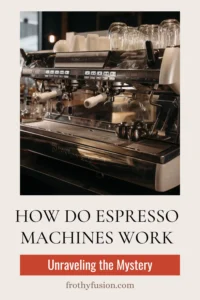
But once you understand the basics, the entire espresso-making process suddenly makes sense ✨
In simple terms, an espresso machine forces hot water through finely ground coffee under pressure to create a concentrated shot of espresso with rich flavor and crema.
In this guide, you’ll learn:
- How do espresso machines work exactly
- What each major component does
- Why pressure and temperature matter
- The difference between manual, semi-automatic, and automatic machines
- Common mistakes beginners make
- Which type of espresso machine may suit you best
Quick Summary for How Do Espresso Machines Work☕
Espresso machines work by heating water and forcing it through finely ground coffee at around 9 bars of pressure. This process extracts concentrated coffee oils, flavors, and crema in about 25–30 seconds.
The Basic Science Behind Espresso
At its core, an espresso machine combines three things:
- Hot water
- High pressure
- Finely ground coffee
Unlike drip coffee makers that rely mostly on gravity, espresso machines use pressure to extract coffee quickly and intensely.
The result is:
- Stronger flavor
- Rich crema
- Thicker texture
- More concentrated caffeine per ounce
If you’re new to espresso brewing, you may also enjoy our guide to what a barista actually does and why espresso technique matters so much.
Main Parts of an Espresso Machine
Understanding the components makes the brewing process much easier to follow.
1. Water Reservoir
This is where the machine stores water before brewing.
Some premium machines connect directly to a water line, while most home espresso machines use a removable tank.
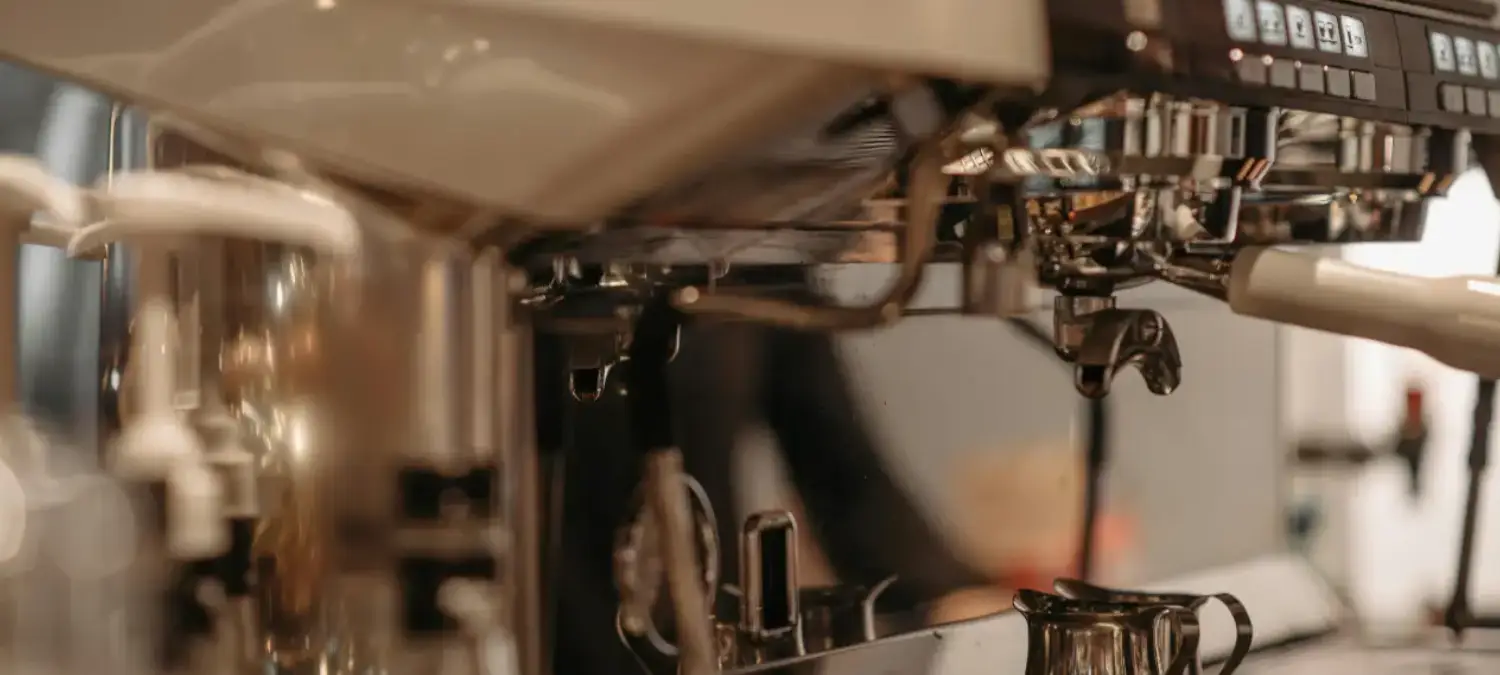
2. Boiler or Thermoblock
The machine heats water using either:
| System | How It Works | Common In |
|---|---|---|
| Boiler | Stores and heats water continuously | Higher-end machines |
| Thermoblock | Heats water on demand | Budget and compact models |
Boiler systems usually offer better temperature consistency for espresso lovers chasing café-quality shots.
You can learn more in our guide to the best espresso machines for home baristas.
3. Pump
The pump creates pressure inside the machine.
Most modern espresso machines use an electric pump to generate around 9 bars of brewing pressure.
This pressure is essential because it extracts:
- Coffee oils
- Aromatics
- Sugars
- Crema
Without enough pressure, espresso tastes weak and watery.
4. Portafilter
The portafilter is the handled basket that holds your ground coffee.
You fill it with finely ground espresso coffee, tamp it evenly, then lock it into the machine’s group head.
This is one reason why grind quality matters so much. A poor grinder creates uneven extraction.
Related read: Best Espresso Grinders for Home Coffee Lovers
5. Group Head
The group head is where hot pressurized water enters the coffee puck.
It helps maintain brewing temperature and distributes water evenly across the grounds.
Consistent water distribution = better espresso extraction ☕
6. Steam Wand
The steam wand produces steam for milk frothing.
It’s what creates:
- Microfoam
- Silky latte milk
- Cappuccino froth
If you enjoy milk-based coffee drinks, check out our comparison of cappuccino vs flat white vs latte.
Step-by-Step: How Espresso Machines Brew Coffee
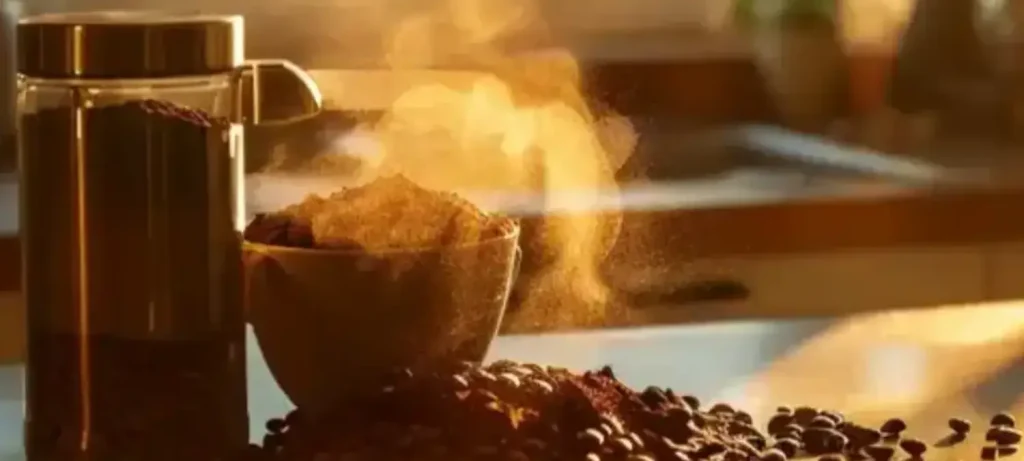
Step 1: Grinding the Coffee
Espresso requires a very fine grind.
The grounds must be consistent so water flows evenly through the coffee puck.
Too coarse = sour espresso
Too fine = bitter espresso
Step 2: Tamping
After grinding, the coffee is compressed using a tamper.
This creates an even coffee bed that helps prevent channeling.
Good tamping ensures water extracts evenly across the puck.
Step 3: Heating the Water
The machine heats water to roughly 90–96°C (195–205°F).
Temperature matters because:
- Too hot = burnt flavors
- Too cool = under-extraction
Step 4: Pressure Extraction
The pump pushes hot water through the coffee puck at high pressure.
This process usually takes:
- 25–30 seconds
- Around 9 bars of pressure
The espresso then flows into your cup with crema forming on top ✨
Step 5: Milk Frothing (Optional)
If making lattes or cappuccinos, the steam wand injects steam into milk.
This creates textured milk perfect for espresso drinks.
Want to improve your milk technique? Read our guide to home cappuccino makers and milk frothing tips
Why Pressure Matters in Espresso
Pressure is what separates espresso from regular coffee brewing.
Traditional espresso extraction relies on about 9 bars of pressure because it helps emulsify oils and create crema.
Without enough pressure:
- Espresso tastes flat
- Crema disappears
- Extraction becomes weak
Too much pressure can also create bitterness.
Types of Espresso Machines
Manual Espresso Machines
These require the user to control everything manually.
Pros
- Maximum control
- Traditional espresso experience
- Excellent for enthusiasts
Cons
- Steep learning curve
- Slower workflow
Best for experienced coffee hobbyists.
Semi-Automatic Machines
These are the most popular home espresso machines.
The pump automates pressure while you control grind size, tamping, and shot timing.
Pros
- Great balance of control and convenience
- Excellent learning platform
- Better customization
Cons
- Requires practice
Best for most home baristas ☕
Automatic Espresso Machines
These automate shot timing.
Some even grind beans automatically.
Pros
- Convenient
- Beginner-friendly
- Faster workflow
Cons
- Less manual control
- Usually more expensive
Super Automatic Machines
These do nearly everything for you:
- Grinding
- Tamping
- Brewing
- Milk frothing
Pros
- One-touch coffee
- Minimal effort
Cons
- Less customizable
- Can require more maintenance
Espresso Machine Comparison Table
| Machine Type | Skill Level | Convenience | Control | Best For |
|---|---|---|---|---|
| Manual | Advanced | Low | Very High | Espresso enthusiasts |
| Semi-Automatic | Beginner–Intermediate | Medium | High | Home baristas |
| Automatic | Beginner | High | Medium | Convenience |
| Super Automatic | Beginner | Very High | Low | Fast daily coffee |
Common Beginner Mistakes ☕
Using Pre-Ground Coffee
Fresh grinding dramatically improves espresso quality.
Incorrect Grind Size
Espresso is extremely sensitive to grind consistency.
That’s why quality grinders matter almost as much as the machine itself.
Poor Tamping Technique
Uneven tamping causes channeling and weak extraction.
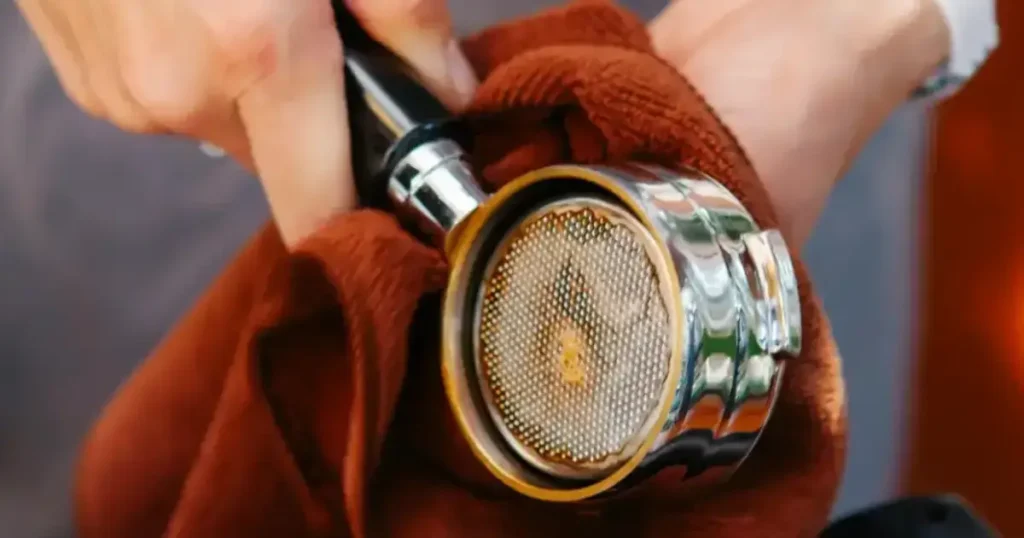
Ignoring Machine Cleaning
Coffee oils build up quickly.
Regular maintenance improves:
- Flavor
- Machine lifespan
- Extraction consistency
You may also like our guide to cleaning and maintaining espresso machines.
Pros and Cons of Espresso Machines
Pros
✅ Rich café-style coffee at home
✅ Full control over brewing
✅ Can make lattes, cappuccinos, and flat whites
✅ Better long-term value than café visits
Cons
❌ Higher upfront cost
❌ Learning curve for beginners
❌ Requires regular cleaning
❌ Good grinders are often necessary
Who Espresso Machines Are Best For
Espresso machines are ideal for:
- Coffee lovers wanting café-quality drinks at home
- Home baristas who enjoy experimenting
- Latte and cappuccino fans
- People wanting more control over brewing
They may not be ideal if you:
- Prefer ultra-simple coffee making
- Only drink occasional coffee
- Want minimal maintenance
Alternatives to Espresso Machines
If an espresso machine feels overwhelming, there are simpler options.
Moka Pot
Creates strong concentrated coffee without pressure pumps.
Great budget-friendly alternative.
AeroPress
Portable, beginner-friendly, and capable of rich coffee concentrates.
Pod Machines
Convenient and fast, though usually less customizable.
You might also enjoy:
- Top Coffee Makers for Home Users
- Manual & Lever Espresso Machines Explained
- Popular Coffee Brewing Methods
Verdict: Are Espresso Machines Worth It? ☕✨
Quick Verdict
Espresso machines are absolutely worth it for coffee lovers who enjoy café-style drinks at home and want more control over brewing quality. Semi-automatic machines offer the best balance for most beginners because they combine hands-on learning with convenience. If you enjoy experimenting with coffee, espresso machines can become one of the most rewarding parts of a home coffee setup ☕✨Frequently Asked Questions – How Do Espresso Machines Work
How do espresso machines work to create crema?
Crema forms when hot pressurized water emulsifies coffee oils and releases carbon dioxide trapped in freshly roasted beans.
Fresh coffee beans usually create better crema.
How Do Espresso Machines Work to boil water?
Not exactly.
Most machines heat water to brewing temperature below boiling point for optimal extraction.
Why does espresso need pressure?
Pressure helps extract concentrated flavors quickly while producing crema and body.
Without pressure, the coffee would taste more like strong drip coffee.
Can you make regular coffee with an espresso machine?
Some machines can make Americano-style drinks by adding hot water to espresso shots.
However, espresso machines are primarily designed for espresso-based beverages.
What’s the best espresso machine type for beginners?
Semi-automatic espresso machines are usually best because they balance ease of use with learning potential.
You May Also Like ☕✨
Espresso Drink Guide for Beginners
Best Espresso Grinders for Better Extraction
The Perfect Espresso Shot Step-by-Step Guide
How to Make Better Coffee at Home