Conical vs Flat Burr Grinders What’s the Difference – If you’re ready to upgrade from a blade grinder, you’ve probably heard about burr grinders.
- But should you go for a conical burr or a flat burr grinder? Let’s break down the key differences so you can choose the best one for your daily brew.
- ✅ Pros:
- ⚠️ Cons:
- ✅ Pros:
- ⚠️ Cons:
- ⭐ Beginner Pick: Baratza Encore
- Baratza Encore
- ⭐ Espresso-Focused Pick: Eureka Mignon Specialita
- Eureka Mignon Specialita
- ⭐ Pro-Level Pick: DF64 or Niche Zero
- DF64 Gen 2
- ➤ What’s the main difference between conical and flat burr grinders?
- ➤ Do flat burr grinders make better espresso?
- ➤ Are flat burr grinders harder to clean?
- ➤ Which type is better for pour-over or French press?
- ➤ Is it worth upgrading from a blade grinder to a burr grinder?

But should you go for a conical burr or a flat burr grinder? Let’s break down the key differences so you can choose the best one for your daily brew.
🔍 What Are Burr Grinders?
Unlike blade grinders that chop beans unevenly, burr grinders crush coffee between two burrs — delivering uniform grounds for better flavor.
There are two main types:
- Conical burrs: Cone-shaped inner burr + ring-shaped outer burr
- Flat burrs: Two flat discs facing each other
Both offer consistent grind sizes — but how they achieve it (and the flavor outcome) can differ.
🌀 Conical Burr Grinders: How They Work
Conical grinders use gravity to funnel beans through the burrs, crushing them gently at a slight angle.
✅ Pros:
- Quieter operation
- Less heat buildup
- Often more affordable
- Easier to clean and maintain
- Great for home use
⚠️ Cons:
- Slightly less uniform grind than flat burrs (but good enough for most espresso lovers)
- May retain a small amount of grounds (known as retention)
⚙️ Flat Burr Grinders: How They Work
Flat burrs spin horizontally, grinding beans between two discs. This creates very precise grind particles, ideal for espresso and specialty brewing.
✅ Pros:
- More uniform grind size (especially for espresso)
- Preferred by cafés and pros
- Brings out more clarity and brightness in the cup
⚠️ Cons:
- Can be noisier
- May retain more grounds if not designed well
- Often more expensive and harder to clean
⚖️ Side-by-Side Comparison Conical vs Flat Burr Grinders
| Feature | Conical Burr Grinder | Flat Burr Grinder |
|---|---|---|
| Grind Consistency | Very good | Excellent |
| Noise Level | Quieter | Louder |
| Heat Buildup | Minimal | More (but manageable) |
| Price Range | Lower to mid-range | Mid to high-end |
| Cleaning | Easier | Slightly trickier |
| Retention | Less | More (unless well-designed) |
| Best For | Home users, beginners | Espresso enthusiasts, pros |
🏠 Conical vs Flat Burr Grinders Which Do You Choose?
If you’re:
- Brewing mostly drip, French press, or pour-over
- Wanting an affordable, reliable grinder
- Not too fussed about micrometric control…
👉 Go with a conical burr grinder.
But if you’re:
- Pulling daily espresso shots
- Dialing in precise grinds for flavor clarity
- Upgrading your home café setup…
👉 A flat burr grinder is worth the investment.
☕ Comandante Grinder Review: Is This Premium Hand Grinder Worth It?
💡 Tip: Don’t Forget the Other Features
Besides burr type, also look for:
- Stepped vs stepless grind adjustments
- Retention design (single-dosing is a plus!)
- Build quality and motor power
- Hopper size if you grind in batches
🛠️ Recommended Burr Grinders
⭐ Beginner Pick: Baratza Encore
- Conical burrs
- Great for pour-over & drip
- Affordable & easy to use
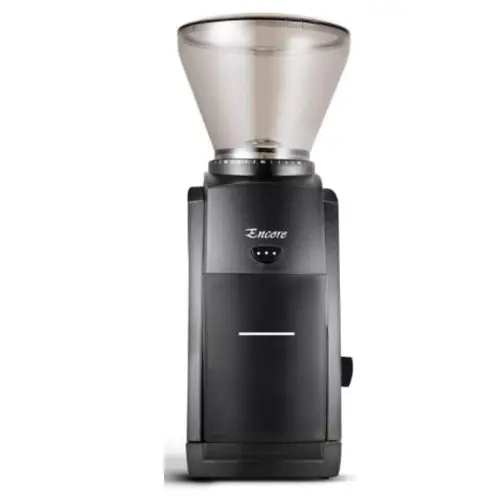
Baratza Encore
Reliable conical burr grinder for everyday brewing. A beginner favorite with 40 grind settings, ideal for pour-over, French press, and drip. Quiet, compact, and easy to use.
⭐ Espresso-Focused Pick: Eureka Mignon Specialita
- Flat burrs
- Quiet, stepless, stylish
- Ideal for dialing in espresso shots

Eureka Mignon Specialita
Stylish flat burr grinder built for espresso precision. Offers stepless micrometric adjustment, touchscreen dosing, and quiet grinding — perfect for dialing in shots at home.
⭐ Pro-Level Pick: DF64 or Niche Zero
- Minimal retention
- Single-dosing design
- Popular with serious home baristas
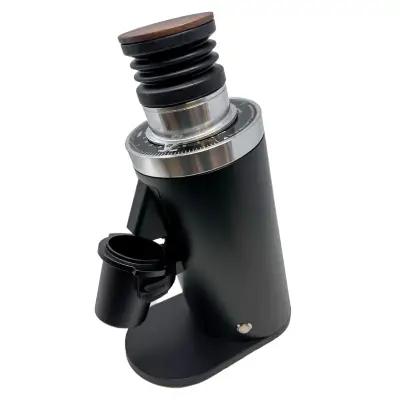
DF64 Gen 2
Single-dosing conical burr grinder with near-zero retention. Delivers pro-level grind consistency for espresso and pour-over with large 63mm conical burrs and stepless control — perfect for home baristas.
📋 Want to See Them Side-by-Side?
Too many great grinders to choose from?
We’ve laid out all the key features — burr type, best brew method, pros & cons, and price range — so you can quickly find the grinder that fits your style and budget.
✔️ Perfect for beginners
✔️ Espresso-focused options
✔️ Prosumer-level grinders too
📌 Final Sip: It’s Not One-Size-Fits-All
Both burr types can produce excellent coffee — your brewing method, budget, and personal taste will guide your choice.
Still unsure? Start with a quality conical burr grinder and upgrade later if you get deep into espresso!
🛍️ Compare Conical vs Flat Burr Grinders All Grinders on One Page →
❓ FAQs – Conical vs Flat Burr Grinders
➤ What’s the main difference between conical and flat burr grinders?
Conical burrs use a cone-shaped mechanism to crush beans, while flat burrs grind beans between two horizontal discs. Flat burrs are more precise; conical burrs are quieter and more beginner-friendly.
➤ Do flat burr grinders make better espresso?
Flat burr grinders offer more uniform particle size, which can improve clarity and flavor in espresso. Many pros prefer them, but a good conical burr grinder can also produce excellent shots.
➤ Are flat burr grinders harder to clean?
Slightly — flat burrs can trap more grounds between the burrs, while conical burrs are easier to access and clean. Some models minimize retention with smart design.
➤ Which type is better for pour-over or French press?
Both work well, but conical burr grinders tend to be more budget-friendly and ideal for coarse to medium grind sizes used in manual brewing.
➤ Is it worth upgrading from a blade grinder to a burr grinder?
Yes! Burr grinders provide consistent grind size, which dramatically improves flavor, extraction, and overall cup quality.
🔗 You May Also Like
- Best Coffee Scales for Home Baristas – For perfect dosing every time ☕📏
- How to Dial In Espresso Like a Pro – Use your grinder to pull better shots 🎯
- WDT Tools Explained: What They Are & How To Use Them – Level up your espresso prep
☕ Just a heads up—this post contains affiliate links. If you buy through them, Frothy Fusion may earn a small commission (at no cost to you). Thanks for supporting our coffee-fueled content!