⚡ Quick Summary
A WDT tool (Weiss Distribution Technique tool) is a barista accessory used to break up clumps in espresso grounds and evenly distribute coffee in the portafilter.
- ⚡ Quick Summary
- ☕ Introduction: Why This Tiny Tool Matters So Much
- 👉 Related reading:
- 🧠 What Is a WDT Tool?
- 🔬 Why WDT Matters in Espresso Brewing
- 🏆 Best Tool Types Compared
- 👍 Pros & Cons of Using a WDT Tool
- 🎯 Who this Tool For
- 🏆 Best WDT Tool Comparison (2026 Buyer’s Guide)
- ⚖️ Quick Comparison: Best for Home Baristas
- 🥇 Premium WDT Tool (Best Overall)
- 🧪 Adjustable Needle WDT Tool (Best for Control)
- 💰 Budget Tool (Best Starter Option)
- ☕ Which One Should You Choose?
- 🔗 Related Brewing Guides
- 🔄 Alternatives to WDT Tools
- ❓ FAQs
- 🧾 Verdict Box: Should You Get a WDT Tool?
This leads to better extraction, improved flavour, and fewer channeling issues.
👉 In short: it helps you make café-quality espresso at home by improving puck consistency.
☕ Introduction: Why This Tiny Tool Matters So Much
If your espresso tastes inconsistent, bitter, or sour, the problem might not be your machine — it could be your grind distribution.
That’s where the Best WDT Tool comes in.
This small but powerful espresso accessory helps you:
- Break up clumps in fresh grounds
- Evenly distribute coffee in the basket
- Reduce channeling during extraction
- Improve flavour clarity and consistency
In this guide, you’ll learn:
✔ What a WDT tool does
✔ Which types work best
✔ How to choose the right one
✔ The top alternatives
✔ Whether you actually need one
👉 Related reading:
- Home Barista Guide: Brew Better Coffee
- Espresso Extraction Guide
- Best Coffee Equipment for Home Baristas
🧠 What Is a WDT Tool?
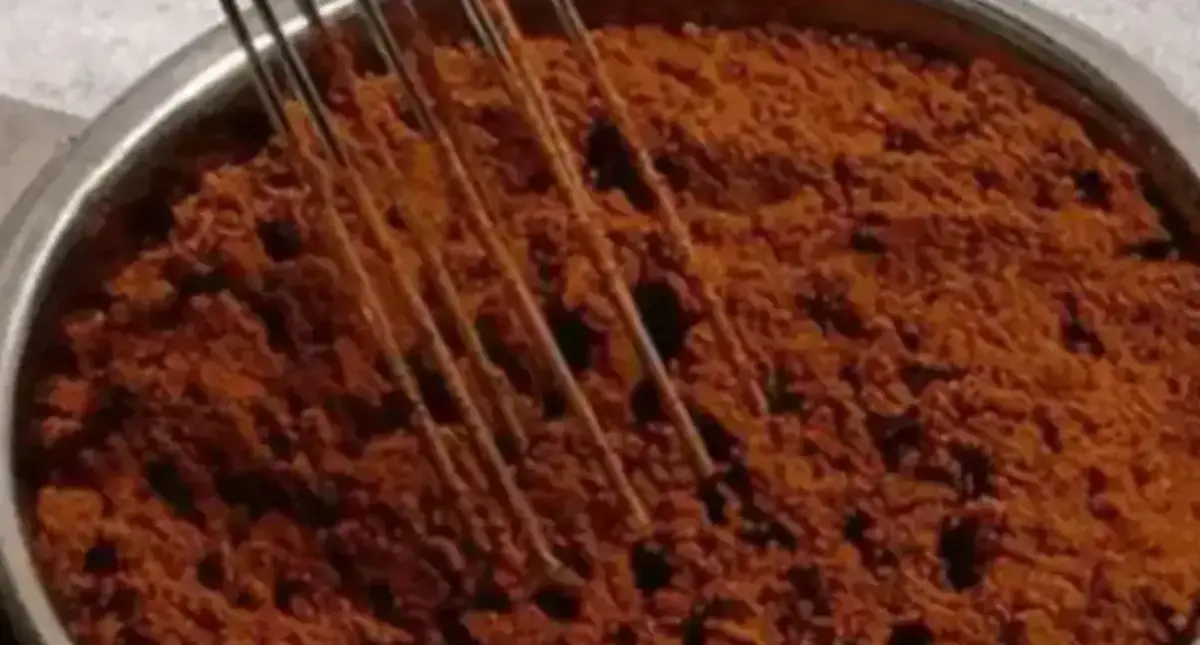
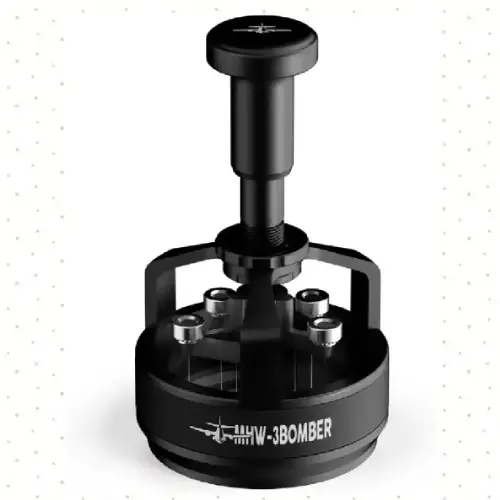
A Weiss Distribution Technique (WDT) tool is a set of fine needles used to stir espresso grounds inside your portafilter.
How it works:
- Breaks up clumps caused by grinders
- Distributes coffee evenly
- Creates a more uniform puck density
👉 Result: smoother, more balanced espresso extraction
☕ Our Top Picks


🔬 Why WDT Matters in Espresso Brewing
Uneven grounds = uneven extraction.
That leads to:
- Bitter shots ☕
- Sour under-extraction
- Channeling (water finds weak spots)
This tool fixes this by ensuring:
✔ Even density
✔ Better water flow
✔ More balanced flavour
👉 Related: Espresso Extraction Basics
🏆 Best Tool Types Compared
| Type | Pros | Cons | Best For |
|---|---|---|---|
| Needle WDT Tool | Precise, cheap, effective | Manual effort required | Beginners & home baristas |
| Stand-Based WDT Tool | Stable, consistent depth | More expensive | Serious espresso users |
| Rotary WDT Tools | Fast and consistent | Less control | High-volume brewing |
👍 Pros & Cons of Using a WDT Tool
✔ Pros
- Improves espresso consistency
- Reduces channeling
- Enhances flavour clarity
- Affordable upgrade
- Works with any grinder
❌ Cons
- Adds extra step to workflow
- Can be time-consuming at first
- Cheap models may bend needles
👉 Crema Coffee WDT Tool – Smooth, Professional Espresso Prep
🎯 Who this Tool For
This tool is ideal if you:
- Use a home espresso machine
- Notice inconsistent espresso shots
- Grind fresh beans at home
- Want café-level results
- Enjoy improving your brewing technique
👉 Especially useful for users upgrading their setup in: Home Barista & Brewing Basics
🏆 Best WDT Tool Comparison (2026 Buyer’s Guide)
If you’re serious about improving espresso consistency, choosing the best tool comes down to build quality, needle precision, and ease of use.
Below are three of the most popular styles home baristas are using right now.
👉 Matow WDT Tool: Affordable and Effective Espresso Distribution
⚖️ Quick Comparison: Best for Home Baristas
| WDT Tool | Best Feature | Drawback | Best For |
|---|---|---|---|
| Premium WDT Tool (0.35mm needles) | Ultra-durable, precise, professional feel | Slightly higher price | Serious home baristas |
| Adjustable Needle Tool (Rotating Head Design) | Customisable needle spacing | Slight learning curve | Experimenters & dial-in users |
| Budget WDT Tool | Affordable entry option | Less durable, basic feel | Beginners testing WDT workflow |
🥇 Premium WDT Tool (Best Overall)
If you want the closest thing to a café-level workflow, this is the upgrade worth making.
✔ Why it stands out:
- Precision 0.35mm needles for smooth distribution
- Solid stainless steel build (no flexing or bending)
- Ergonomic grip for faster puck prep
- Consistent results shot after shot
👉 This is the best tool for most home baristas who want reliability without fuss.
Best for:
- Daily espresso drinkers
- Medium–high-end espresso machines
- Users upgrading from entry-level tools
🧪 Adjustable Needle WDT Tool (Best for Control)
This style lets you adjust needle spacing or angle for different grind sizes.
✔ Why baristas like it:
- Fine control over distribution pattern
- Great for experimenting with grind settings
- Helps dial in tricky coffees
⚠️ Consider:
- Slightly slower workflow
- Not as “plug-and-play” as fixed designs
👉 Best if you enjoy tuning espresso shots like a pro barista.
💰 Budget Tool (Best Starter Option)
A simple, lightweight option that gets the job done.
✔ Pros:
- Very affordable entry point
- Lightweight and easy to use
- Good for testing WDT technique
❌ Limitations:
- Can feel flimsy
- Needles may bend over time
- Less consistent build quality
👉 Ideal if you’re just exploring whether WDT improves your espresso.
☕ Which One Should You Choose?
Here’s the simple breakdown:
- 🏆 Best overall: Precision tool
- 🎯 Best for control & experimentation: Adjustable needle tool
- 💸 Best budget option: Entry-level tool
👉 If you’re upgrading your espresso workflow, start with stainless steel — it delivers the most noticeable improvement in shot consistency.
🔗 Related Brewing Guides
To improve your espresso setup even further, explore:
- Espresso Extraction Guide
- Home Barista Guide: Brew Better Coffee
- Best Coffee Grinders for Espresso
- Espresso Puck Prep Techniques
🔄 Alternatives to WDT Tools
If you don’t want to use a Weiss Distribution Tool, here are alternatives:
🟤 Distribution Tools
- Espresso levelers
- Distributor tampers
🟤 Technique-Based Methods
- Tap-and-level method
- Finger distribution (less consistent)
🟤 Grinder Upgrade
A high-quality grinder can reduce clumping naturally.
👉 See also: Best Coffee Grinders for Espresso
❓ FAQs
Is a WDT tool really necessary?
Not required, but it significantly improves espresso consistency, especially with mid-range grinders.
Does WDT replace tamping?
No — it prepares the puck before tamping.
What needle size is best?
0.3–0.4mm needles are ideal for espresso distribution.
Can beginners use a WDT tool?
Yes — it’s one of the easiest barista upgrades.
Do expensive WDT tools make a difference?
Only in build quality and ergonomics — results are similar.
🧾 Verdict Box: Should You Get a WDT Tool?
👉 Yes — absolutely if you care about espresso quality.
The Best WDT Tool is one of the cheapest upgrades with the biggest impact on shot consistency.
☕ Best for:
- Home espresso users
- Beginners improving puck prep
- Anyone struggling with channeling
🚫 Skip if:
- You use pre-ground coffee
- You don’t want extra workflow steps
☕ Just a heads up—this post contains affiliate links. If you buy through them, Frothy Fusion may earn a small commission (at no cost to you). Thanks for supporting our coffee-fueled content!