If you’ve ever heard someone talk about Cuban coffee, they’re almost always talking about cafecito — a small, powerful, and sweet espresso-style drink that’s deeply rooted in Cuban culture.
In this guide, you’ll learn what cafecito really is, where it comes from, and how it’s traditionally made at home.
What Is Cuban Coffee?
Cuban coffee — most commonly called cafecito — is a sweetened, strong espresso-style drink made by whipping sugar with the first drops of brewed coffee and then mixing it back into the cup.
Unlike a latte or cappuccino, cafecito:
- Is very small
- Is very strong
- Is always sweet
- Has a light foamy top called espumita
It’s less about sipping slowly — and more about sharing a quick coffee moment with friends or family.
Cafecito is a daily ritual throughout Cuba, and it has also become a huge part of coffee culture in places like Miami, especially in the neighborhood of Little Havana.
What Does “Cafecito” Mean?
The word cafecito simply means “little coffee” in Spanish.
But culturally, it means much more than that.
Cafecito is about:
- stopping for a quick break,
- sharing conversation,
- and connecting with people around you.
In many Cuban households, offering a cafecito is a sign of hospitality.
How Is Cafecito Traditionally Made?
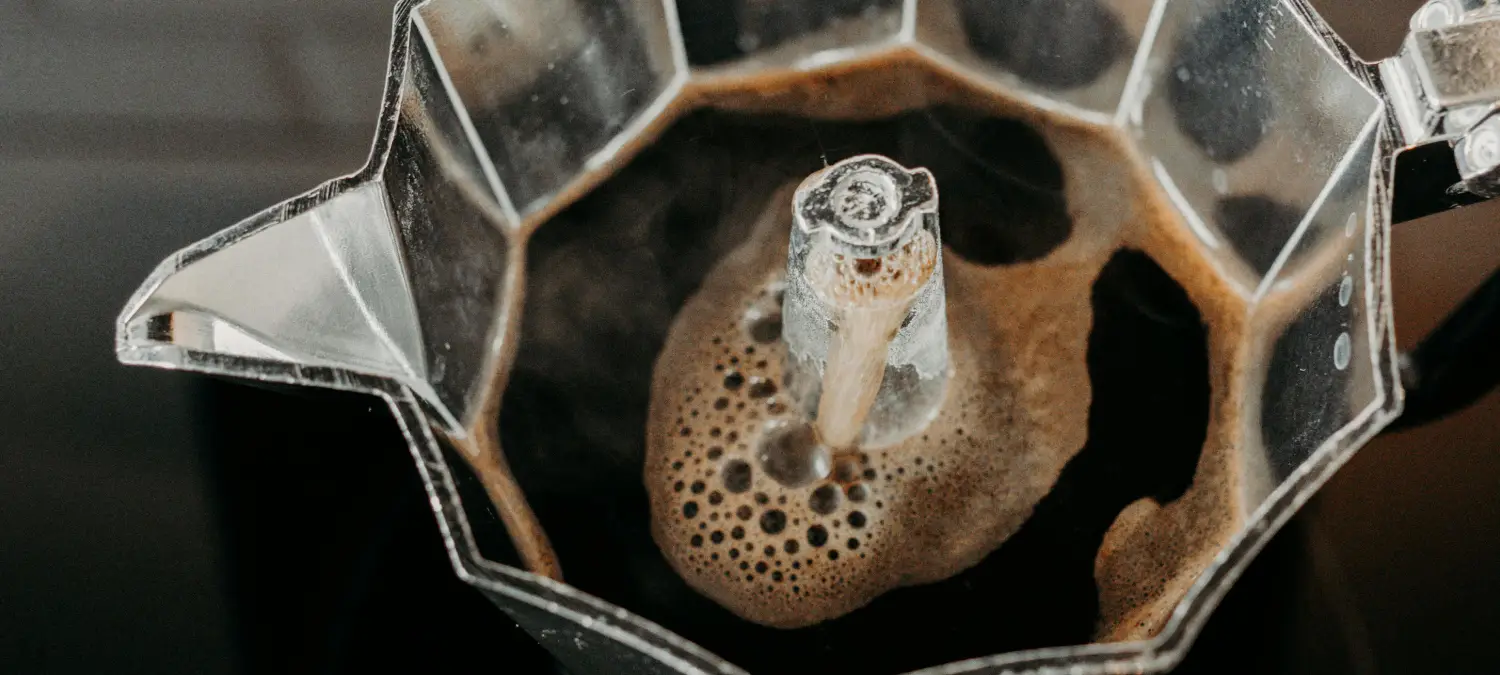
Traditional cafecito is made using a stovetop moka pot, not a modern espresso machine.
Here’s the classic method.
☕ Traditional Cafecito Method
What you need
- Finely ground coffee
- White sugar
- Stovetop moka pot
- Small cup
Step 1 – Brew the coffee
Prepare your moka pot as normal and place it on the stove.
Let the coffee begin brewing.
Step 2 – Collect the first drops
As soon as the coffee starts flowing, quickly pour one or two teaspoons of the very first brewed coffee into a small cup.
These first drops are extra concentrated.
Step 3 – Make the espumita
Add sugar to the cup (usually 1–2 teaspoons).
Using a spoon, vigorously mix the sugar and coffee until it becomes a light, creamy, beige foam.
This foam is called espumita.
Step 4 – Finish the cafecito
Once the rest of the coffee has finished brewing, pour it into the cup with the espumita and gently stir.
You now have a traditional cafecito.
What Is Espumita?
Espumita is the sweet foam that sits on top of cafecito.
It is made by whipping:
- sugar
- and the first concentrated drops of coffee
No milk.
No cream.
Just coffee and sugar.
This is what gives Cuban coffee its signature look and texture.
Is Cuban Coffee the Same as Espresso?
Not exactly.
Cafecito is similar in strength, but it’s made differently.
Key differences
- Espresso is brewed under pressure
- Cafecito is brewed using steam and gravity in a moka pot
- Cafecito is always sweetened during preparation
- Espresso is usually served unsweetened
The flavour profile is also softer and rounder because of the sugar and foam.
How Strong Is Cafecito?
Cafecito is:
- very concentrated
- high in caffeine
- served in a small cup
Because it’s sweet, it often feels smoother than straight espresso — but it definitely packs a punch.
If you’re used to long black coffee or lattes, a cafecito can feel surprisingly intense.
Can You Make Cafecito Without a Moka Pot?
Traditionally — no.
The moka pot is part of what defines how it is prepared.
However, at home you can create a cafecito-style drink using very strong brewed coffee or espresso and still make espumita using the same sugar-whipping method.
It won’t be fully traditional — but it can still be delicious.
What Coffee Is Traditionally Used ?
Traditionally, Cuban-style dark roasted coffee is used.
The grind is fine and the roast is bold, which helps create the deep flavour that balances well with sugar.
Why Is Cafecito So Popular?
This drink remains popular because it’s:
- fast to prepare
- inexpensive
- easy to share
- deeply connected to Cuban daily life
In many homes and workplaces, a moka pot is always nearby and ready to go.
Quick Summary
Cafecito is not just “sweet espresso”.
It is a cultural tradition built around:
- a moka pot
- sugar whipped into foam
- and sharing small cups of strong coffee with others.
If you enjoy bold coffee and love learning about classic brewing traditions, cafecito is well worth trying at home.
You May Also Like
- Manual vs Automatic Espresso Machines – Which One Should You Choose?
- Decaf vs Regular Coffee – What’s the Real Difference?
- Dalgona Coffee – The Fluffy Whipped Coffee Trend Explained