Decaf vs regular coffee comes down to one big difference and a few small ones. Decaf has at least 97% of its caffeine removed, so a typical cup holds roughly 2–15 mg instead of 70–140 mg, while flavour, antioxidants and many of coffee’s health perks stay surprisingly close.
- Quick Answer: Is Decaf or Regular Coffee Better?
- Decaf vs Regular Coffee at a Glance
- What Is Decaf Coffee and How Is It Made?
- How Much Caffeine Is in Decaf vs Regular Coffee?
- Does Decaf Taste Different From Regular Coffee?
- Is Decaf Coffee Healthier Than Regular Coffee?
- Who Should Drink Decaf, and Who Should Stick With Regular?
- How to Choose and Brew Great Decaf at Home
- Frequently Asked Questions About Decaf vs Regular Coffee
- Does decaf coffee have caffeine?
- Is decaf coffee healthier than regular coffee?
- Can decaf coffee keep you awake?
- Is decaf coffee safe during pregnancy?
- Does decaf taste different from regular coffee?
- How is coffee decaffeinated?
- Is decaf coffee made with chemicals safe to drink?
- How many cups of decaf can I drink a day?
- Final Verdict: Decaf vs Regular Coffee
If you’re deciding what to put in your cup, that quick answer is only the start. Caffeine sensitivity, sleep, acid reflux, pregnancy, espresso crema and even the way your beans were decaffeinated all play a part. This guide breaks down each one so you can choose with confidence.
Quick Answer: Is Decaf or Regular Coffee Better?
Neither is better for everyone. Regular coffee suits you if you want the energy lift and handle caffeine well. Decaf suits you if caffeine disrupts your sleep, makes you jittery or is something you’re limiting, because it keeps most of coffee’s flavour and antioxidants with only about 2–15 mg of caffeine per 8-ounce cup.
Key Takeaways
- Caffeine: Decaf has at least 97% of the caffeine removed, but it is not caffeine-free. Expect roughly 2–15 mg per 8 oz cup, versus 70–140 mg for regular brewed coffee.
- Taste: Decaf is usually a little milder and less punchy. A good roast and fresh beans matter more than the decaffeination method.
- Health: Both appear to offer similar benefits, such as a lower risk of type 2 diabetes in observational studies. Decaf avoids caffeine’s side effects.
- Best for sensitive drinkers: Decaf is the easier pick for evening coffee, anxiety, reflux or pregnancy limits, though very sensitive people should still count the small amount of caffeine.
- Best for energy: Regular coffee wins for alertness and pre-workout focus.
- Best compromise: Swap your afternoon cup for decaf, or blend half-caff, and keep regular for the morning.
- Buying tip: Look for the method on the bag. Swiss Water Process and CO2 are the chemical-free options.
How we put this guide together: this article is based on research from the FDA, medical bodies and published studies, not our own lab testing. Where we mention brewing or taste, we say so when it reflects common barista experience rather than measured results.
Decaf vs Regular Coffee at a Glance
| Feature | Regular coffee | Decaf coffee |
| Caffeine per 8 oz cup | About 70–140 mg | About 2–15 mg (often nearer 2–7 mg) |
| Caffeine removed | None | At least 97% (Swiss Water: 99.9%) |
| Flavour | Fuller, brighter, more bitter edge | Milder, slightly softer |
| Antioxidants | High | Similar levels |
| Sleep impact | Can disrupt sleep if drunk late | Much less likely to |
| Reflux and heartburn | More likely to trigger symptoms | Often gentler, but not always |
| Pregnancy | Counts toward the 200 mg daily limit | Adds only a few mg |
| Best time to drink | Morning to early afternoon | Any time, including evening |
| Choice and price | Widest range, usually cheaper | Smaller range, often a little pricier |
Figures vary by bean, roast, brew method and cup size. Sources are listed at the end of this guide.
What Is Decaf Coffee and How Is It Made?
Decaf coffee is ordinary coffee that has had most of its caffeine removed before roasting. In the US, decaf must have at least 97% of its caffeine removed, and it is never completely caffeine-free. The beans are the same species you’d find in regular coffee, treated while still green.
How caffeine is removed
Every method works because caffeine dissolves in water. Green beans are soaked or steamed, the caffeine is drawn out, and the beans are dried again before roasting. The four main approaches differ in what does the drawing:
| Method | How it works | Caffeine removed | Worth knowing |
| Swiss Water Process | Hot water and a coffee-compound solution pull out caffeine, then carbon filters capture it | 99.9% | Uses no chemical solvents |
| CO2 process | Pressurised carbon dioxide carries caffeine out of moist beans | Roughly 96–99% | Gentle on flavour but more costly |
| Ethyl acetate (EA, often called sugarcane decaf) | Beans are rinsed with ethyl acetate, which also occurs naturally in fruit | About 97% | A solvent method, steamed off afterwards |
| Methylene chloride | A solvent binds to caffeine in the soaking water | About 96–97% | FDA-approved; roasting heat evaporates remaining traces |
The Swiss Water Process and CO2 are the options most often chosen by people who want to avoid solvents, but regulators treat all four as safe when done correctly.
Why decaf beans behave differently
Decaffeination makes green beans more porous and brittle, and it changes their aroma and colour before roasting. That is one reason decaf can taste a touch milder, and why roasters often have to adjust their roast profiles for it.
☕ Frothy Fusion Tip If the bag doesn’t say how the coffee was decaffeinated, check the roaster’s website or ask them. Roasters proud of their Swiss Water or CO2 decaf almost always say so.
How Much Caffeine Is in Decaf vs Regular Coffee?
An 8-ounce cup of decaf typically contains 2–15 mg of caffeine, according to the FDA. Regular brewed coffee contains roughly 70–140 mg per 8 oz, and the FDA lists 113–247 mg for a 12 oz cup. Decaf therefore delivers around 5–10% of the caffeine of a regular cup, or less.
| Drink | Typical caffeine |
| Regular brewed coffee, 8 oz | 70–140 mg |
| Regular brewed coffee, 12 oz | 113–247 mg |
| Regular espresso, single shot | Roughly 30–65 mg |
| Decaf brewed coffee, 8 oz | 2–15 mg |
| Decaf espresso, single shot | About 3–16 mg |
| Decaf instant coffee, 10–12 oz | About 3–4 mg |
Sources: FDA, Healthline: caffeine in decaf and, for regular espresso, Healthline: caffeine in pregnancy and FOX 5 New York.
Why decaf varies so much
The amount left in your cup depends on the bean, the decaffeination method and how the coffee was brewed. A study of coffee-shop decaf found most 16 oz cups held about 9–14 mg, with decaf espresso shots measuring 3–15.8 mg. Chains differ too: published figures put Starbucks decaf near 20 mg in a 10–12 oz cup and Dunkin’ around 7 mg.
Swiss Water Process decaf, which removes 99.9% of caffeine, sits at the low end of the range.
Do small amounts of caffeine add up?
Yes, if you drink a lot of it. Researchers have estimated that 5–10 cups of decaf can add up to the caffeine in 1–2 regular cups. For most people that is no problem. If you’ve been told to avoid caffeine entirely, or you’re very sensitive, keep count.
☕ Frothy Fusion Tip Restaurants and coffee shops aren’t required to tell you how much caffeine is in their drinks, so ask the barista or check the chain’s published data if the number matters to you.
Does Decaf Taste Different From Regular Coffee?
Slightly, yes. Healthline notes that decaffeination changes the aroma, taste and colour of coffee, producing a milder cup. In practice, many drinkers find decaf a little flatter or less bright, while a fresh, well-roasted decaf from a good roaster can be hard to tell apart from the regular version.
What matters more than the caffeine
The quality of the beans, how recently they were roasted and the brew method shape flavour far more than whether the caffeine is there. The same article points out that the type of roasted coffee you buy affects taste more than the decaffeination method does.
- Freshness: buy whole beans roasted within the last few weeks and grind just before brewing.
- Roast level: medium and dark roasts tend to hide the subtle loss of brightness better than very light roasts.
- Origin: single-origin decaf is increasingly available, so you’re no longer stuck with a generic blend.
Decaf espresso and crema
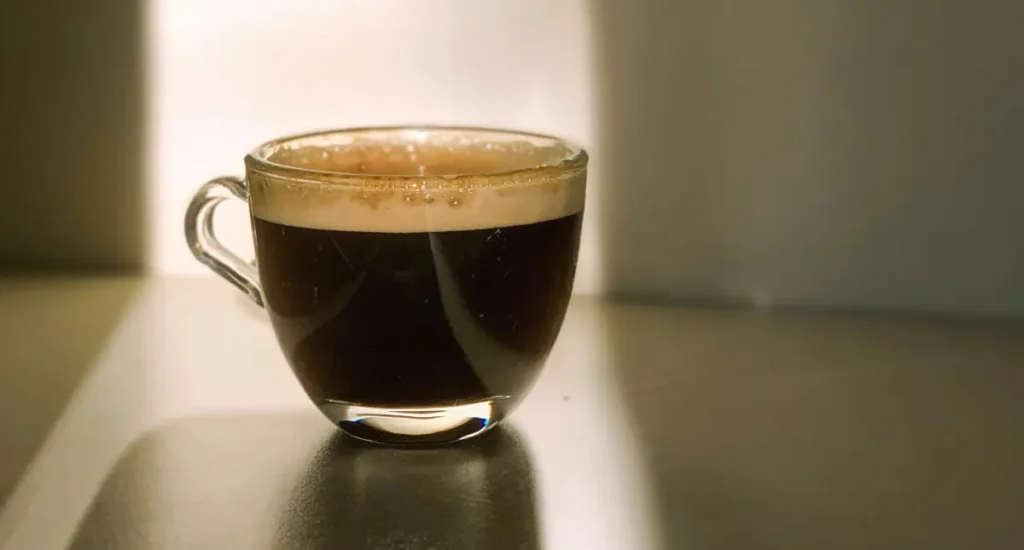
Espresso is where differences show most. Many home baristas report thinner crema and a slightly less sweet shot from decaf beans, and the more brittle, porous bean structure can make grind and dose a bit fussier. This is common experience rather than something we’ve measured, so treat it as a starting point.
- Grind a touch finer if shots run fast.
- Use fresh beans, because decaf can stale quickly.
- Keep your dose and ratio consistent, then adjust one variable at a time.
Decaf in milk drinks
In a latte, flat white or cappuccino, steamed milk softens most of the difference. If you want to check how your favourite milk drink changes, compare a regular and decaf version side by side and keep everything else the same.
☕ Frothy Fusion Tip To test decaf properly at home, brew the same recipe twice, once with decaf and once with regular, and taste them side by side. Your palate will tell you more than any label.
Is Decaf Coffee Healthier Than Regular Coffee?
Neither is clearly healthier for everyone. Decaf keeps most of coffee’s antioxidants and is linked to similar long-term benefits, while regular coffee adds caffeine’s boost and its side effects.
For caffeine-sensitive people, pregnant people and anyone with reflux or sleep trouble, decaf is usually the easier choice.
Antioxidants and long-term health
Coffee is a major source of antioxidants in the Western diet, and decaf contains them too. Observational studies link both regular and decaf coffee with a lower risk of type 2 diabetes, and some research points to lower rates of premature death for both.
The same review cautions that most studies don’t separate regular from decaf and cannot prove coffee is the cause, so treat these as encouraging signals rather than guarantees.
Sleep, jitters and anxiety
Too much caffeine can cause insomnia, jitters, anxiety, a fast heart rate, headaches and an upset stomach, according to the FDA. The agency cites 400 mg a day, about two to three 12 oz cups of coffee, as an amount not generally associated with negative effects for most adults, but sensitivity varies widely.
Decaf isn’t a perfect fix. One study found decaf slightly increased alertness compared with a placebo, and the FDA notes that anyone who reacts strongly to caffeine may want to avoid decaf too.
Acid reflux and heartburn
Caffeine is a possible heartburn trigger, so people with reflux often try decaf. The picture isn’t clear-cut: Healthline notes that coffee in general, decaf or not, can stimulate these conditions. If reflux is a problem, try decaf for a couple of weeks and see how you feel, or ask your doctor.
Pregnancy and breastfeeding
The American College of Obstetricians and Gynecologists says moderate caffeine intake, under 200 mg a day, does not appear to be a major contributor to miscarriage or preterm birth.
The FDA advises anyone pregnant, trying to conceive or breastfeeding to ask their healthcare provider whether to limit caffeine. Swapping some cups for decaf makes staying under that limit much easier.
Medications and medical conditions
Some medications and conditions make people more sensitive to caffeine. If you take regular medication or have a heart rhythm, blood pressure or anxiety condition, check with your doctor before deciding how much caffeine, including decaf, suits you.
Where regular coffee has the edge
The research on decaf and brain function is thinner. One study of adults over 60 linked regular coffee, but not decaf, with better cognitive performance, and more research is needed. If you rely on caffeine for alertness or focus, decaf won’t replace it.
☕ Frothy Fusion Tip A sensible middle ground is to drink regular coffee in the morning and switch to decaf after lunch. You keep the ritual and flavour while protecting your sleep.
This guide is general information, not medical advice. Talk to your doctor if you have a health condition, take medication, or are pregnant.
Who Should Drink Decaf, and Who Should Stick With Regular?
Choose decaf if caffeine affects your sleep, nerves, stomach or heart rate, if you’re pregnant or limiting caffeine for any reason, or if you simply want a late-night cup. Choose regular coffee if you tolerate caffeine well and want the energy, focus and ritual that come with it.
Decaf is the better pick if you:
- Get jittery, anxious or short of sleep after regular coffee
- Drink coffee in the afternoon or evening
- Have been advised to cut caffeine because of a health condition or medication
- Are pregnant, trying to conceive or breastfeeding, and want to stay within your doctor’s advice
- Find regular coffee aggravates heartburn
Regular coffee is the better pick if you:
- Need a dependable morning energy lift
- Want the widest choice of beans, roasts and brewing gear
- Enjoy the brighter, fuller flavour of non-decaffeinated beans
- Handle caffeine well and stay within about 400 mg a day
Decaf pros and cons
Pros
- ✔ Far less caffeine, so it’s gentler on sleep and nerves
- ✔ Keeps most of coffee’s antioxidants
- ✔ Good for evening drinking and for easing off caffeine gradually
- ✔ Swiss Water and CO2 decaf are chemical-free options
Cons
- ✘ Not completely caffeine-free
- ✘ Flavour is often a little milder
- ✘ Smaller selection, and often a slightly higher price
- ✘ Less crema and slightly fussier espresso dialling for some beans
Common mistakes to avoid
- ❌ Assuming decaf has zero caffeine, especially during pregnancy or if you’re very sensitive
- ❌ Buying old, stale decaf, which tastes flat faster than fresh beans
- ❌ Judging decaf from one bad cup rather than trying a few roasters
- ❌ Going cold turkey on caffeine instead of switching gradually, as the FDA notes withdrawal can be unpleasant
How to Choose and Brew Great Decaf at Home
The best decaf comes from freshly roasted beans, a known decaffeination method and a brew recipe you’ve adjusted to suit them. Treat decaf like any other speciality coffee and it will reward you.
What to look for when buying decaf
| Look for | Why it matters |
| Decaffeination method on the label | Swiss Water Process and CO2 are chemical-free; EA and methylene chloride are solvent-based but regulated |
| Roast date, not just a best-before date | Fresh beans give noticeably better flavour, and decaf beans can go stale quickly |
| Whole beans over pre-ground | Grinding at home protects aroma and lets you tune espresso |
| Roast level | Medium to dark roasts usually hold up best; try a medium first |
| Single origin or a named blend | Signals care and gives you something to compare |
| Pod or capsule compatibility | If you use a Nespresso or similar machine, check decaf is offered for your system |
| Price and roaster reputation | Decaf often costs a little more; a trusted roaster is worth it |
How to switch from regular to decaf gradually
- Start with one cup. Replace your afternoon or evening cup with decaf for a week.
- Try half-caff. Mix regular and decaf beans half and half to cut caffeine without a sudden change.
- Move the cut-off earlier. Once you’re comfortable, switch to decaf from lunchtime onwards.
- Notice how you feel. Track your sleep and energy, then adjust. The FDA notes cutting back gradually is gentler than stopping suddenly.
Brewing tips for decaf
- Espresso: dial in again, as you would for any new bean. Start with your usual dose and ratio, then change grind size first.
- Filter and pour-over: use water just off the boil and keep your brew time consistent.
- French press and cold brew: both are forgiving and easy to repeat.
- Storage: keep beans in an airtight container away from light and heat, and use them within a few weeks of the roast date.
- Cleaning: a clean grinder and machine matter more with decaf, because stale oils make a milder coffee taste dull.
☕ Frothy Fusion Tip Buy a small bag of decaf from two different roasters and taste them against each other. Differences in origin and roast between brands are usually larger than the difference between decaf and regular.
Frequently Asked Questions About Decaf vs Regular Coffee
Does decaf coffee have caffeine?
Yes, a little. Decaf has at least 97% of its caffeine removed, but a typical 8 oz cup still contains roughly 2–15 mg, according to the FDA. Regular brewed coffee holds around 70–140 mg. Swiss Water Process decaf, which removes 99.9%, sits at the low end. For most people the amount is negligible, but it can add up over many cups, and very sensitive people may still notice it.
Is decaf coffee healthier than regular coffee?
Not necessarily. Decaf keeps most of coffee’s antioxidants, and observational studies link both types with benefits such as a lower risk of type 2 diabetes. Regular coffee adds caffeine’s alertness, and some research suggests cognitive benefits that decaf may not share. Decaf avoids caffeine’s side effects, so it’s usually the healthier choice for people who are sensitive, pregnant or prone to poor sleep.
Can decaf coffee keep you awake?
It can, though less often. Decaf has far less caffeine than regular coffee, so for most people it won’t affect sleep. One study found decaf slightly raised alertness compared with a placebo, and very sensitive people can react to even small amounts. If you struggle to sleep, finish your last cup earlier in the day or choose a Swiss Water Process decaf.
Is decaf coffee safe during pregnancy?
Many pregnant people drink it, because decaf adds only a few milligrams of caffeine, which makes it easier to stay under the 200 mg a day that ACOG cites as moderate intake. The FDA still advises talking to your healthcare provider about limiting caffeine if you’re pregnant, trying to conceive or breastfeeding. Count your decaf in your daily total, and remember caffeine also hides in tea, chocolate and some medicines.
Does decaf taste different from regular coffee?
Often slightly. Decaffeination changes aroma, taste and colour, so decaf tends to be milder than regular coffee. Fresh beans, a good roast and a well-dialled brew matter far more than the decaffeination method, and many drinkers struggle to tell a quality decaf from regular, especially in milk drinks. Try decaf from two different roasters before deciding it isn’t for you.
How is coffee decaffeinated?
Green, unroasted beans are soaked or steamed, then the caffeine is drawn out using water, a solvent (ethyl acetate or methylene chloride) or pressurised CO2. The Swiss Water Process uses water and carbon filters to remove 99.9%. CO2 removes roughly 96–99%, and solvent methods about 96–97%. Beans are then dried and roasted, and roasting heat evaporates any remaining solvent traces.
Is decaf coffee made with chemicals safe to drink?
Regulators treat all four main methods as safe. Solvent-based decaf uses methylene chloride or ethyl acetate, but the beans are steamed and roasted at temperatures that evaporate them, and residues in roasted coffee are tiny, about 2 to 3 mg per kilogram for methylene chloride. If you’d rather avoid solvents entirely, choose Swiss Water Process or CO2 decaf.
How many cups of decaf can I drink a day?
There is no official limit for decaf itself. The FDA’s 400 mg daily guideline applies to total caffeine from all sources, and at 2–15 mg per cup you would need well over 25 cups of decaf to reach it. Researchers estimate that 5–10 cups of decaf equal the caffeine in 1–2 regular cups, so keep count if you’re pregnant, very sensitive or on medication.
Final Verdict: Decaf vs Regular Coffee
The real difference in decaf vs regular coffee is caffeine, about 2–15 mg per cup against 70–140 mg, and everything else is much closer than most people expect. Flavour is a little milder, the antioxidants are similar, and the health picture is broadly alike, with decaf sparing you the jitters, poor sleep and some stomach trouble that caffeine can bring.
Decaf is for you if caffeine disrupts your sleep or mood, you drink coffee late in the day, or you’re cutting back for health or pregnancy reasons.
Regular is for you if you tolerate caffeine well and want its alertness and fuller flavour.
Who should be careful with both: anyone told to avoid caffeine completely, or who reacts strongly to small amounts. Decaf still contains some, so check with your doctor.
Best alternatives: a half-caff blend, regular coffee in the morning and decaf after lunch, or a caffeine-free herbal tea when you want a hot drink without any caffeine.
Your next step
Pick up a small bag of Swiss Water Process or CO2 decaf, brew it the way you normally would and compare it with your usual coffee. Then explore more of our guides to keep levelling up your home café:
- Compare milk drinks in our Latte vs Flat White guide
- Learn the difference between a Cappuccino VS Flat White VS Latte
- Improve your espresso with our guide to tamping
- Browse our Nespresso Original espresso machine rankings when you’re ready to upgrade
- Best Coffee Beans for Cold Brew
- What is a Flat White?
- Milk Frothing Techniques for Lattes & Cappuccinos
☕ Just a heads up—this post contains affiliate links. If you buy through them, Frothy Fusion may earn a small commission (at no cost to you). Thanks for supporting our coffee-fueled content!