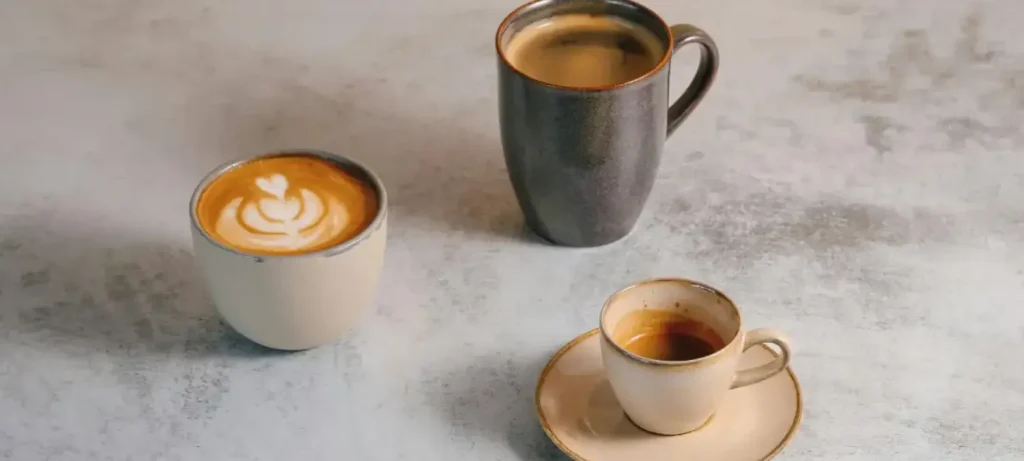
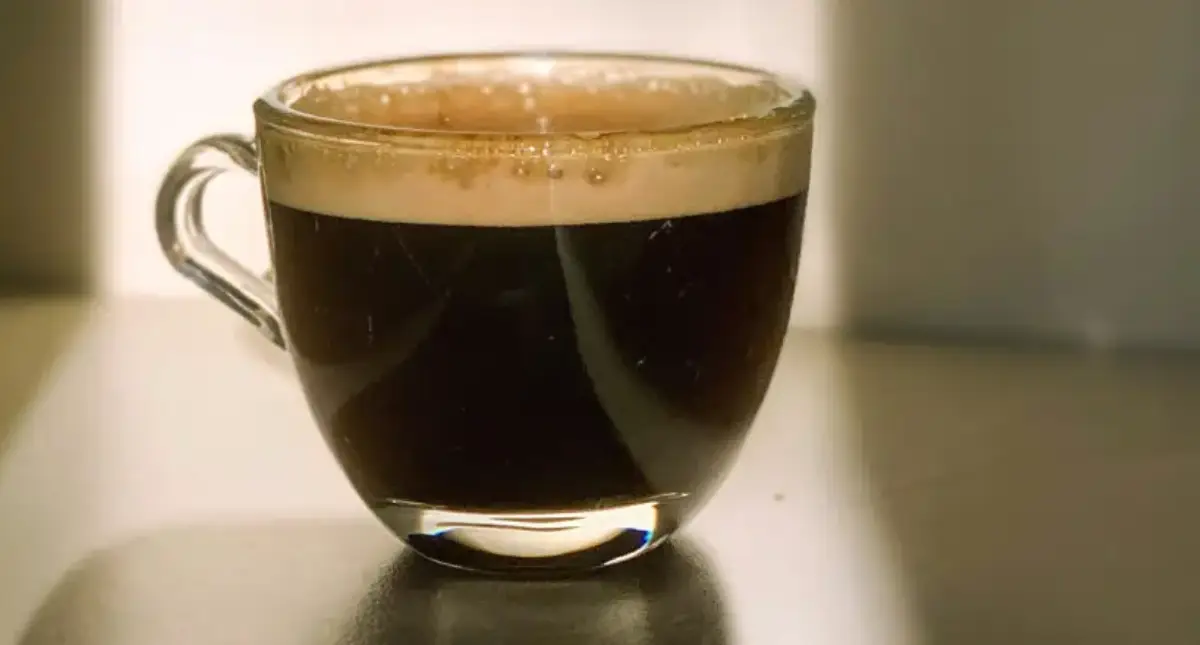
If you love the boldness of espresso but wish it lasted just a bit longer in your cup, meet the lungo -an Italian-style “long” espresso that’s rich, nuanced, and stretched out for sipping.
- Key Takeaways
- Quick Comparison: Ristretto vs Espresso vs Lungo
- What Is a Lungo Coffee?
- How Does a Lungo Taste?
- 🔄 Common Variations
- What Is the Difference Between a Lungo and an Espresso?
- Lungo vs Ristretto: Opposite Ends of the Espresso Scale
- Lungo vs Americano vs Long Black
- What Is a Lungo on a Nespresso Machine?
- How to Make a Lungo at Home
- What Is the Best Coffee for a Lungo?
- Does a Lungo Have More Caffeine Than Espresso?
- Can You Add Milk to a Lungo?
- Frequently Asked Questions
- What is a lungo in simple terms?
- Is a lungo stronger than espresso?
- What is the difference between a lungo and an americano?
- How many ml is a lungo?
- Is a lungo the same as a long black?
- Why does my lungo taste bitter?
- Does a lungo have crema?
- Is a lungo good for beginners?
- Can I make a lungo with a Keurig or moka pot?
- Final Verdict: Is a Lungo Right for You?
- Keep Exploring
- 👉 Related Reads
Quick Answer: A lungo (Italian for “long”) is an espresso shot pulled with extra water, so it is larger, milder and a little more bitter than a standard espresso.
It uses roughly the same amount of ground coffee but runs for longer, giving about 60 ml from a traditional machine or 110 ml from a Nespresso Original capsule.
If you have ever spotted “Lungo” on a coffee machine button or a Nespresso capsule sleeve and wondered what it means, you are in the right place. So, what is a lungo?
It is simply espresso made long: the same coffee, more water, a longer pour. This guide explains how a lungo tastes, how it compares with espresso and ristretto, how to make one at home, and who it suits best.
Key Takeaways
- A lungo is an espresso pulled long, using more water and a longer extraction time.
- It is bigger and milder than espresso, with less crema and a more noticeable bitter edge.
- Traditional lungos run around 50-70 ml; Nespresso Original lungo capsules are built for 110 ml.
- Ristretto is the opposite: shorter, sweeter and more concentrated.
- A lungo is not the same as an americano or long black, because all of the water passes through the coffee.
- Pulling it too long is the fastest way to a bitter, watery cup.
Quick Comparison: Ristretto vs Espresso vs Lungo
| Drink | Typical Volume | Coffee-to-Water Ratio (approx.) | Taste | Best For |
|---|---|---|---|---|
| Ristretto | 15-25 ml | 1:1 | Sweet, intense, syrupy | Strong, concentrated sips |
| Espresso | 30-40 ml | 1:2 | Balanced, rich, full crema | Classic café-style shot |
| Lungo | 50-110 ml | 1:3 to 1:4 | Milder, lighter, slightly bitter | Longer, sippable cups |
Volumes and ratios are rough guides. Ristretto, normale and lungo are relative terms with no single official measurement, so cafés and capsule brands vary.
What Is a Lungo Coffee?
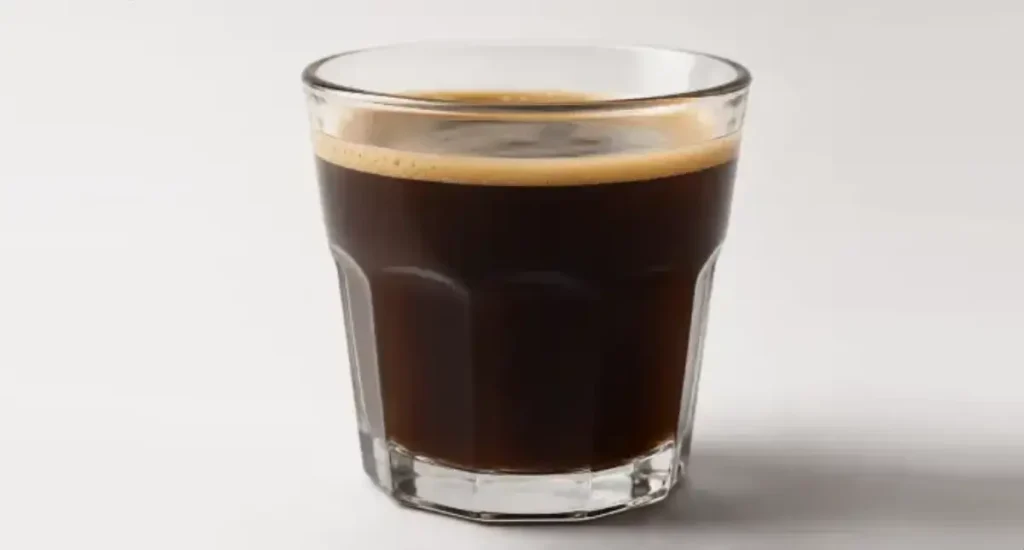
A lungo is an espresso-based coffee made by letting more water run through the same dose of ground coffee. The word comes from Italian and simply means “long.” Sometimes you will see it called a long shot or caffè lungo.
The key point is that all of the water is brewed through the coffee puck. Nothing is added afterwards. That is what separates a lungo from drinks like an americano, where hot water is added to a finished espresso.
Frothy Fusion Tip: Think of the lungo as a stretched espresso, not a diluted one. The extra water still travels through the coffee, so it pulls out more flavour compounds, including the bitter ones.
How Does a Lungo Taste?
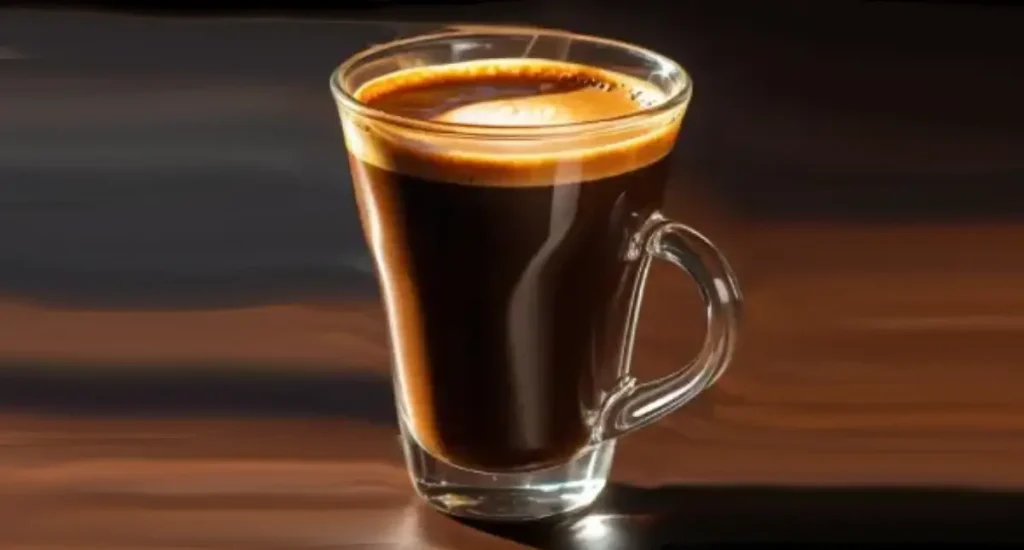
Expect a lighter body and a larger cup than espresso. Because the extraction runs longer, a lungo tends to taste milder in strength but can show a sharper, slightly bitter finish. Sweetness and syrupy texture, which shine in a ristretto, are less pronounced.
Crema is thinner too. The foamy layer on top is most abundant in the early part of the pour, so a longer shot spreads that effect out and leaves a lighter, less persistent crema.
Pros and Cons of a Lungo
Pros
- ✔ Bigger, more sippable cup than espresso
- ✔ Milder strength, good if espresso feels too intense
- ✔ Easy to make on capsule machines with a single button
- ✔ Works well with darker, rounder blends
Cons
- ✘ Can taste bitter or thin if over-extracted
- ✘ Less crema and less sweetness
- ✘ Not usually the first choice for milk-based drinks
- ✘ Results vary a lot between brands and machines
Who a Lungo Is Best For
A lungo suits people who like a longer, gentler cup but still want an espresso-style flavour. It is popular with Nespresso owners, with anyone moving from filter coffee towards espresso, and with people who like a coffee that lasts a few more sips.
🔄 Common Variations
- Doppio Lungo: A double lungo shot—great for large mugs or iced drinks.
- Lungo Macchiato: A lungo topped with a dash of foamed milk.
- Iced Lungo: Pulled over ice for a strong cold coffee.
What Is the Difference Between a Lungo and an Espresso?
The main difference is water volume and extraction time. A standard espresso is about 30-40 ml. A lungo uses roughly double the water or more, so the cup is bigger and the flavour is less concentrated.
The dose of coffee can stay the same. Baristas choose how many grams go into the portafilter, and the only change for a lungo is how much water is allowed through before stopping the shot. On capsule systems, brands often design lungo capsules with a slightly coarser grind so the longer pour does not choke or over-extract.
Lungo vs Ristretto: Opposite Ends of the Espresso Scale
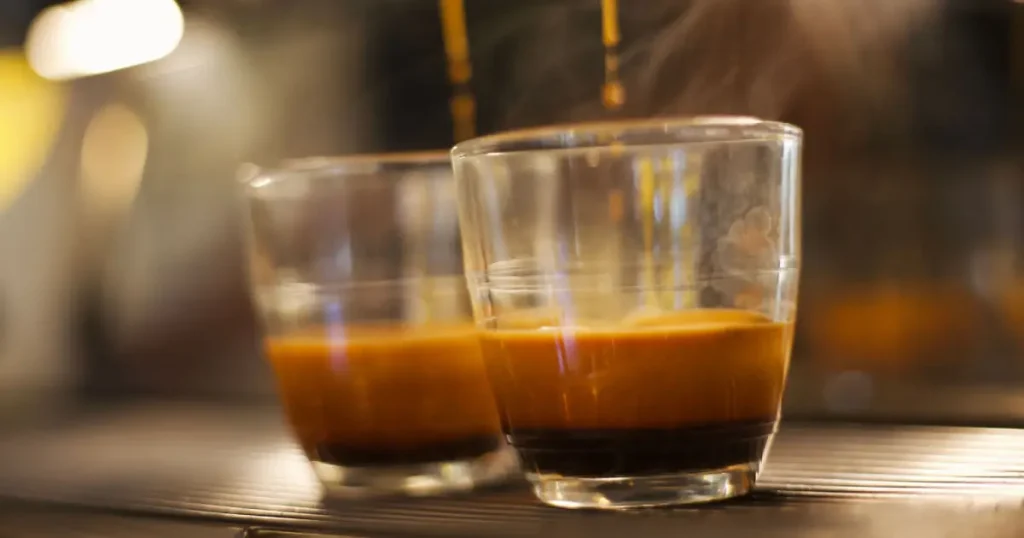
A ristretto (“restricted”) is the mirror image of a lungo. It uses the same amount of coffee but about half the water, producing a tiny, intense, often sweeter shot. A lungo goes the other way, using more water for a longer, lighter result.
A helpful way to picture it is a sliding scale. From shortest to longest, the order is ristretto, espresso, then lungo. Volume rises as concentration falls.
Lungo vs Americano vs Long Black
These drinks look similar in the cup but are built differently.
| Drink | How It Is Made | Typical Size | Character |
|---|---|---|---|
| Lungo | All water pulled through the coffee | 50-110 ml | Milder but more bitter edge |
| Americano | Hot water added to espresso | 150-250 ml | Smooth, diluted, lighter |
| Long Black | Espresso poured over hot water | 150-200 ml | Keeps more crema than an americano |
If you want the full breakdown of the last two, see our guide to the Americano vs Long Black difference.
What Is a Lungo on a Nespresso Machine?
On Nespresso Original machines, lungo is one of the standard cup sizes. Nespresso describes the Original system’s two main sizes as espresso (small-cup button) and lungo (large-cup button). A ristretto or espresso is around 25-40 ml, while a lungo is about 110 ml. Some markets also offer a Gran Lungo, which is larger again at around 150 ml.
Nespresso lungo capsules typically contain a coarser grind than espresso capsules and are designed to be run to the lungo volume. The brand notes that each capsule is built for a particular extraction level, and running past it can push flavour into bitter territory.
Can You Use an Espresso Capsule for a Lungo?
Yes, you can, because some capsules are designed for both espresso and lungo. But a capsule made only for espresso will usually taste harsher when stretched to 110 ml. For the best result, choose capsules labelled lungo, or ones that list both sizes on the sleeve.
Frothy Fusion Tip: Preheat your cup with hot water before brewing. A lungo has more volume to cool down, and a warm cup keeps it tasting balanced for longer.
How to Make a Lungo at Home
You can make a lungo with an espresso machine, a capsule machine or even a stovetop moka pot (though a moka pot gives a different style of coffee). Here is how to do it on a standard espresso machine.
Step 1: Choose the Right Coffee
Pick a medium to medium-dark espresso blend. Darker, rounder blends tend to handle a longer pull better than bright, acidic light roasts.
Step 2: Dose Your Coffee
Use the same dose you would for a standard espresso, typically 14-18 g in a double basket. Many lungo pulls use a slightly coarser grind than espresso so the water flows through more easily.
Step 3: Tamp Evenly
Level the grounds and tamp with firm, even pressure. Uneven tamping leads to channelling, which is worse in a long extraction.
Step 4: Pull the Shot Long
Start the shot and aim for roughly three to four times the weight of coffee in the cup (a 1:3 to 1:4 ratio). For a 16 g dose, that is around 48-64 g of liquid. Taste as you go and stop when it starts turning thin or watery.
Step 5: Taste and Adjust
If it tastes bitter or hollow, stop the shot sooner or grind a little coarser. If it tastes sour or sharp, grind slightly finer or extend the shot a touch.
Common Mistakes to Avoid
- ❌ Using stale beans
- ❌ Grinding too fine, which causes bitterness
- ❌ Letting the shot run until it turns pale and watery
- ❌ Using a cold cup
- ❌ Skipping regular machine cleaning
What Is the Best Coffee for a Lungo?
Look for blends described as smooth, chocolatey or nutty. Many commercial lungo and espresso blends include some robusta, which adds body and a bolder bitter edge that holds up when stretched. Lighter, fruit-forward single origins can taste sour or thin when pulled long.
Does a Lungo Have More Caffeine Than Espresso?
Possibly slightly more per serving, but not by much. Longer extraction and more water can pull more caffeine from the same dose, so a lungo may contain a bit more than a single standard espresso. It is also spread over a larger drink, so it tastes milder. The real number depends on the beans, dose and brand, so treat any figure as approximate.
💡 Tip: Avoid changing grind size for lungo shots. Let the water volume and time do the work.
Can You Add Milk to a Lungo?
Yes. A lungo with a splash of milk is a perfectly nice cup, and capsule drinkers often do it. For classic milk-based drinks such as a latte or flat white, though, baristas usually prefer espresso or ristretto, because their concentrated flavour is not lost behind the milk. If you are curious how those drinks differ, our Latte vs Flat White guide is a good next read.
Frequently Asked Questions
What is a lungo in simple terms?
A lungo is a long espresso. It uses the same coffee as a regular shot but more water and a longer extraction, so the cup is larger and milder. Typical volumes run from about 50 ml on a traditional machine to 110 ml on Nespresso Original.
Is a lungo stronger than espresso?
No. A lungo is less concentrated than espresso because the same coffee is stretched over more water. It can taste more bitter, which some people mistake for strength, but it is generally milder and lighter in body.
What is the difference between a lungo and an americano?
A lungo is brewed with all of its water passing through the coffee grounds. An americano is a finished espresso with hot water added afterwards. A lungo is also usually smaller than an americano.
How many ml is a lungo?
There is no single official size. A rough guide is 50-70 ml for a traditional lungo and 110 ml for a Nespresso Original lungo. A Gran Lungo can reach about 150 ml.
Is a lungo the same as a long black?
No. A long black is espresso poured over hot water, which preserves more crema. A lungo is brewed entirely through the coffee and is smaller. If you want to compare them directly, read our Americano vs Long Black guide.
Why does my lungo taste bitter?
Bitterness usually means over-extraction: the shot ran too long, the grind was too fine, or the capsule was not designed for that volume. Try stopping the pour earlier, grinding coarser, or switching to a capsule made specifically for lungo.
Does a lungo have crema?
Yes, but less than an espresso. Crema forms mostly at the start of the pour, so a longer shot spreads it thin. Fresh beans and good machine pressure help maintain a decent layer.
Is a lungo good for beginners?
Yes. Many newcomers find it more approachable than a straight espresso or ristretto because it is milder and larger. On a capsule machine it takes a single button press.
Can I make a lungo with a Keurig or moka pot?
Not a true lungo. A lungo depends on espresso-style pressure extraction. A moka pot makes a strong stovetop coffee and a Keurig makes a brewed-style cup, so neither will replicate the real thing.
Final Verdict: Is a Lungo Right for You?
So, what is a lungo? It is espresso stretched into a bigger, gentler cup. If you enjoy espresso flavours but find a standard shot too intense, a lungo is an easy, friendly step. It is especially handy on a Nespresso machine, where it comes at the press of a button.
Best for: beginners, Nespresso owners, and anyone who likes a longer, milder espresso-style drink.
Who should avoid it: those who love sweet, syrupy, intense shots (try a ristretto) or who want a classic milk-based drink (a regular espresso is better).
Best alternatives: ristretto for intensity, espresso for balance, and americano or long black for a larger, smoother cup.
Keep Exploring
Ready to go further? Read our guide to espresso vs coffee, learn how to tamp espresso properly, or explore more brewing techniques across Frothy Fusion.
Whether you’re new to espresso drinks or exploring ways to fine-tune your home coffee bar, this guide covers everything you need to know about this drink: what it is, how it’s made, and how it compares to other espresso-based drinks.
👉 Related Reads
- Ristretto vs Espresso: What’s the Difference in Taste and Strength?
- How to Make the Perfect Americano at Home
- Espresso Basics: How to Pull the Perfect Shot Every Time
- Cortado vs Latte: What’s the Difference Between These Espresso Drinks?
☕ Just a heads up—this post contains affiliate links. If you buy through them, Frothy Fusion may earn a small commission (at no cost to you). Thanks for supporting our coffee-fueled content!