
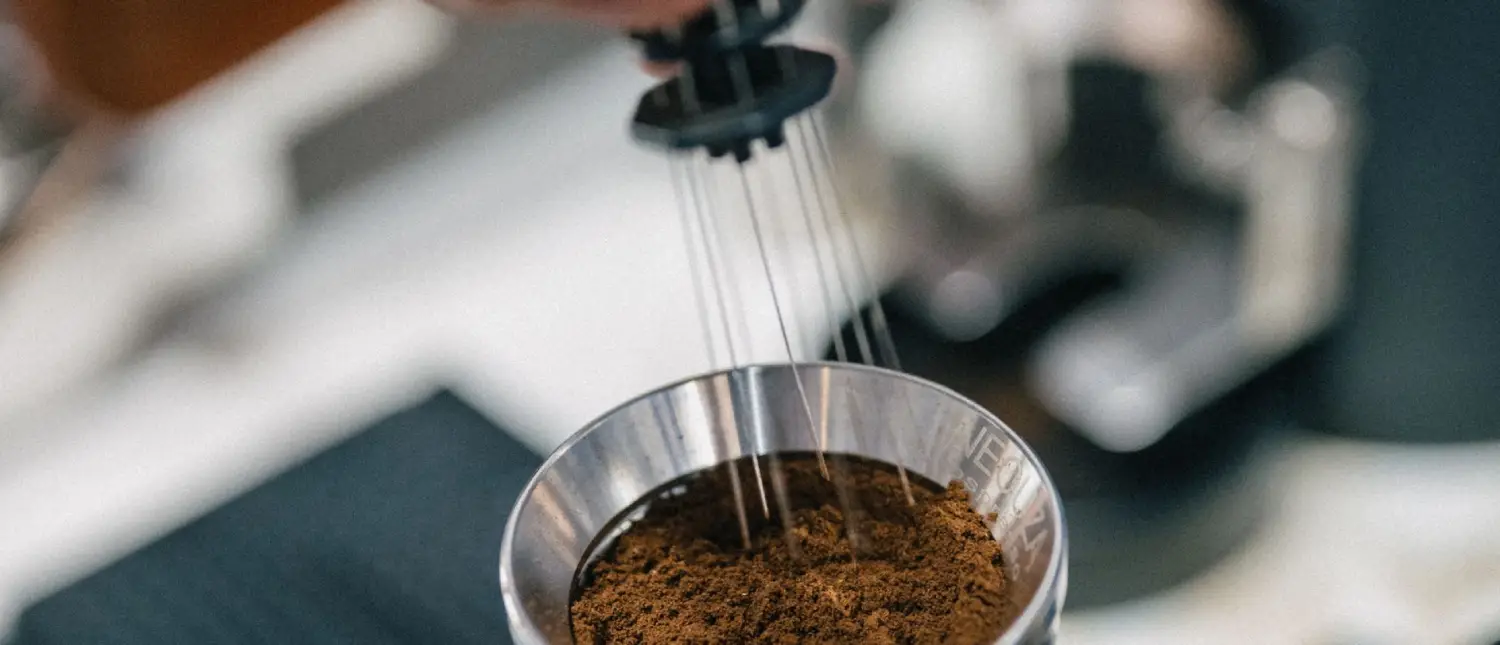
Making great espresso isn’t just about having an expensive machine or premium beans.
- Quick Summary of Espresso Distribution Tools☕✨
- What Is an Espresso Distribution Tool?
- Why Even Distribution Matters
- Types of Espresso Distribution Tools
- Comparison Table
- Do Distribution Tools Actually Improve Espresso?
- Pros and Cons
- Who It's Best For
- Espresso Distribution Tool vs WDT Tool
- Natural Product Considerations
- Alternatives to Espresso Distribution Tools
- Frequently Asked Questions
- Verdict Box ☕✨
- You May Also Like
- Final Thoughts

Even small details—like how evenly coffee grounds are spread in the portafilter—can affect extraction and flavor.
That’s why espresso distribution tools have become increasingly popular among home baristas.
But do you actually need one?
In this Espresso Distribution Tools guide, you’ll learn:
☕ What espresso distribution tools do
☕ Whether they improve espresso quality
☕ The pros and cons of using one
☕ Who benefits most from buying one
☕ Alternative puck-preparation methods
Quick Summary of Espresso Distribution Tools☕✨
Are espresso distribution tools worth buying?
Yes—for many home baristas.
They help create a more even coffee bed before tamping, which can reduce channeling and improve shot consistency.
However, if you’re already using a good puck preparation technique (especially a WDT tool), the improvement may be relatively small.
Best for: Beginners, consistency-focused users, and enthusiasts.
What Is an Espresso Distribution Tool?
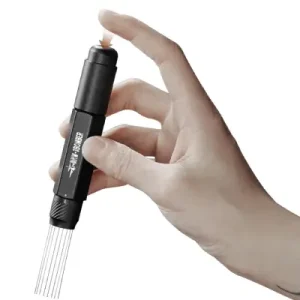
An espresso distribution tool is an accessory designed to evenly spread coffee grounds inside the portafilter before tamping.
Most models feature:
- Adjustable depth settings
- Flat or angled distribution surfaces
- A spinning design that levels grounds with a simple twist
The goal is to create a uniform coffee bed, reducing uneven extraction.
Quick Answer
An espresso distribution tool helps level coffee grounds before tamping to improve consistency and reduce channeling.
Why Even Distribution Matters
Espresso extraction is highly sensitive.
If some areas of the puck are denser than others:
- Water finds easier pathways.
- Channeling occurs.
- Parts of the coffee become over-extracted.
- Other sections remain under-extracted.
The result?
A shot that may taste:
- Bitter
- Sour
- Weak
- Unbalanced
Proper distribution helps water flow more evenly through the puck.
If you’re new to espresso, our guide on Home Barista Basics for Beginners can help you understand the fundamentals.
Types of Espresso Distribution Tools
1. Palm-Style Distribution Tools
These sit on top of the coffee bed and rotate to level grounds.
Pros:
- Easy to use
- Consistent
- Beginner-friendly
Cons:
- Can compact grounds unevenly if depth is incorrect.
2. WDT (Weiss Distribution Technique) Tools
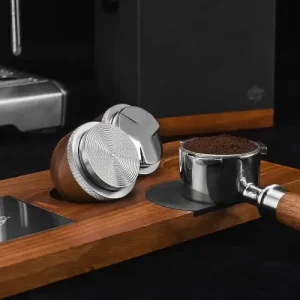
WDT tools use thin needles to break up clumps and distribute coffee evenly.
Many espresso enthusiasts now consider WDT more effective than traditional spinning distributors.
Learn more in our article about Essential Barista Accessories for Home Espresso Setups.
3. Manual Distribution
Some baristas simply:
- Tap the portafilter
- Use their finger
- Groom the surface manually
This costs nothing but requires practice.
👉 LuxHaus Coffee Tamper Review – A Solid Pick
Comparison Table
| Method | Cost | Ease of Use | Consistency | Best For |
|---|---|---|---|---|
| Distribution Tool | Moderate | Easy | High | Beginners |
| WDT Tool | Low | Moderate | Very High | Enthusiasts |
| Manual Technique | Free | Moderate | Medium | Casual users |
| No Distribution | Free | Easy | Low | Occasional espresso drinkers |
Do Distribution Tools Actually Improve Espresso?
Yes—but the improvement depends on your workflow.
If you currently:
- Pour grounds straight into the basket and tamp immediately…
- Experience channeling…
- Get inconsistent shots…
A distribution tool can noticeably improve consistency.
However, if you’re already using:
- A quality grinder
- Fresh beans
- Proper puck prep
- WDT techniques
The improvement may be small.
Mini Quick Answer
Distribution tools improve consistency more than flavor.
They don’t magically make bad coffee taste amazing, but they help reduce variables.
Pros and Cons
✅ Pros
- Creates a level coffee bed
- Easy for beginners
- Helps reduce channeling
- Improves shot repeatability
- Adds consistency to workflow
❌ Cons
- Additional cost
- Another accessory to store
- Improvements can be subtle
- WDT tools may provide better results
Who It’s Best For
Great For:
☕ New home baristas
☕ People struggling with inconsistent shots
☕ Owners of entry-level espresso machines
☕ Anyone who enjoys refining their workflow
May Not Be Necessary For:
- Casual coffee drinkers
- Users already practicing WDT
- Those focused on keeping costs low
👉 How to make a Double Espresso?
Espresso Distribution Tool vs WDT Tool
| Feature | Distribution Tool | WDT Tool |
|---|---|---|
| Breaks Up Clumps | No | Yes |
| Levels Grounds | Yes | Yes |
| Beginner Friendly | Very Easy | Moderate |
| Cost | Moderate | Low |
| Popular Among Enthusiasts | Medium | High |
Quick Callout ☕
Best for simplicity: Distribution Tool
Best for maximum puck preparation: WDT Tool
Natural Product Considerations
When shopping for an espresso distribution tool, look for:
- Adjustable depth settings
- Stainless steel construction
- Compatibility with your basket size (typically 53mm or 58mm)
- Comfortable grip
- Solid weight
Many home baristas pair a distribution tool with:
- A quality tamper
- A WDT tool
- Precision baskets
- Espresso scales
You may also enjoy our guide to Espresso Machine Features Explained for understanding what matters most when upgrading your setup.
Alternatives to Espresso Distribution Tools
If you’d rather skip buying another accessory, consider:
WDT Technique
A simple needle tool can improve distribution while breaking up clumps.
Better Grinding
Many extraction issues actually come from poor grinders.
See our comparison of Blade vs Burr Coffee Grinders to understand why grinder quality matters.
Improved Tamping
Consistent tamp pressure often matters more than fancy accessories.
You may also find value in our guide to Essential Barista Tools for Home Cafés.
Upgrading Your Machine
Sometimes equipment limitations are the biggest bottleneck.
Our article on Super Automatic vs Semi Automatic Espresso Machines can help determine whether a machine upgrade makes sense.
Frequently Asked Questions
Are espresso distribution tools necessary?
No. You can make excellent espresso without one, but they can improve consistency and workflow.
Do professional baristas use distribution tools?
Some do, but many now prefer WDT techniques combined with careful tamping.
Is a WDT tool better than a distribution tool?
Many coffee enthusiasts believe WDT provides better puck preparation because it breaks up clumps rather than simply leveling the surface.
Can a distribution tool fix channeling?
It can help reduce channeling, but grinder quality, dose, and tamping technique also play major roles.
Should beginners buy one?
Yes. Distribution tools are easy to use and can make the learning process more forgiving.
Verdict Box ☕✨
Recommendation: Worth Buying for Most Home Baristas
Buy one if you:
✅ Want more consistent espresso
✅ Enjoy improving your workflow
✅ Are new to espresso preparation
Skip it if you:
❌ Already use WDT successfully
❌ Prefer a minimalist setup
❌ Rarely make espresso
Overall Verdict: A nice upgrade rather than an essential purchase.
You May Also Like
- Essential Barista Tools for Home Cafés
- Espresso Machine Features Explained
- Super Automatic vs Semi Automatic Espresso Machines
- Blade vs Burr Coffee Grinders
- Home Barista Basics for Beginners
Final Thoughts
Espresso distribution tools won’t instantly transform mediocre coffee into café-quality espresso.
But they can make your workflow smoother, improve consistency, and help reduce common extraction problems.
For many home baristas, that’s enough to make them worth the investment. ☕✨