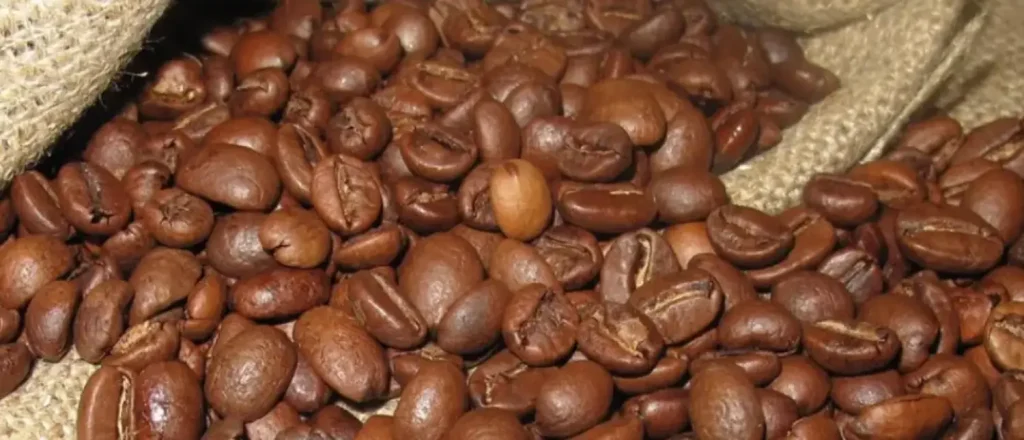

If you’ve ever visited Greece 🇬🇷, you know that coffee is more than a drink—it’s a ritual. Greek coffee is a small, strong, and velvety brew that’s perfect for slowing down and savoring the moment. In this guide, we’ll dive into how to brew Greek coffee at home, what it tastes like, and the rich traditions behind it. ☕✨
What is Greek Coffee?
It is a traditional style of coffee made from finely ground coffee beans and water, usually brewed in a special pot called a briki. Unlike espresso, it’s unfiltered, leaving a thick layer of coffee grounds at the bottom. Greek coffee is known for:
- Rich aroma 🌿
- Strong, bold taste 💪
- Velvety texture
- Sociable culture – often enjoyed slowly with friends and family
How to Brew Greek Coffee ☕
Ingredients:
- 1 cup cold water (about 100 ml)
- 1 heaping teaspoon of finely ground Greek coffee
- Sugar (optional, according to taste)
Equipment:
Steps:
- Add ingredients to the briki – water first, then coffee, then sugar if desired.
- Stir gently before heating.
- Heat slowly over low heat until foam forms at the top (do not stir after heating starts).
- Remove from heat just before it boils, pour carefully into cups.
- Serve immediately, letting the grounds settle at the bottom.
Tip: The foam on top, called kaimaki, is a sign of a well-brewed cup.

Greek Coffee Taste Profile 👅
The taste profile is strong and aromatic with a slightly bitter taste that lingers. The foam gives it a smooth texture, and it’s often sweetened to balance the natural bitterness. It pairs beautifully with:
- Loukoumi (Greek delight) 🍬
- Nuts and dried fruits 🌰
- Simple pastries 🥐
Greek Coffee Traditions & Culture 🇬🇷
Coffee in Greece isn’t just a drink—it’s a cultural experience. Here’s what makes it special:
- Social bonding: Coffee is a key part of conversation and hospitality.
- Fortune telling: Reading the leftover coffee grounds (tasseography) is a fun tradition. 🔮
- Pace of life: Traditional coffee encourages slowing down and savoring moments.
- Café culture: The kafeneio (traditional café) is a central meeting spot for locals.
FAQs
How is this coffee different from Turkish coffee?
Both are similar in preparation, but Greek coffee usually uses slightly lighter roast beans and has cultural rituals unique to Greece.
Can I use an espresso machine to make this coffee?
Not really. Greek coffee requires a briki for proper foam formation and authentic taste.
How much sugar should I add?
Traditionally, Greek coffee comes in three levels:
Sketos – no sugar
Metrios – medium sweetness
Glykos – sweet
How do I clean the briki?
Rinse with warm water and avoid soap. Dry thoroughly to prevent rusting.
You May Also Like
- How to Make Turkish Coffee at Home ☕
- Greek Coffee vs Turkish Coffee: What’s the Difference? 🇬🇷🇹🇷
- Top Coffee Brewing Methods for Home Baristas 🔥
- DIY Small Space Coffee Bars: Creative Ideas for Any Home 🏡
Final Thoughts
Greek coffee is more than just a strong, aromatic brew—it’s a doorway into centuries of culture, conversation, and comfort. Whether you enjoy it solo or with friends, brewing this coffee at home is a delightful way to slow down and savor life. 🌿☕