Kaimaki—the luscious, creamy foam on top of traditional Greek and Turkish coffee—is more than just a pretty layer. It’s a sign of a well-brewed cup and a hallmark of coffee mastery. Whether you’re a beginner barista or a coffee enthusiast wanting to impress your friends, this guide will show you exactly how to achieve that perfect kaimaki every time.
What is Kaimaki? 🧐
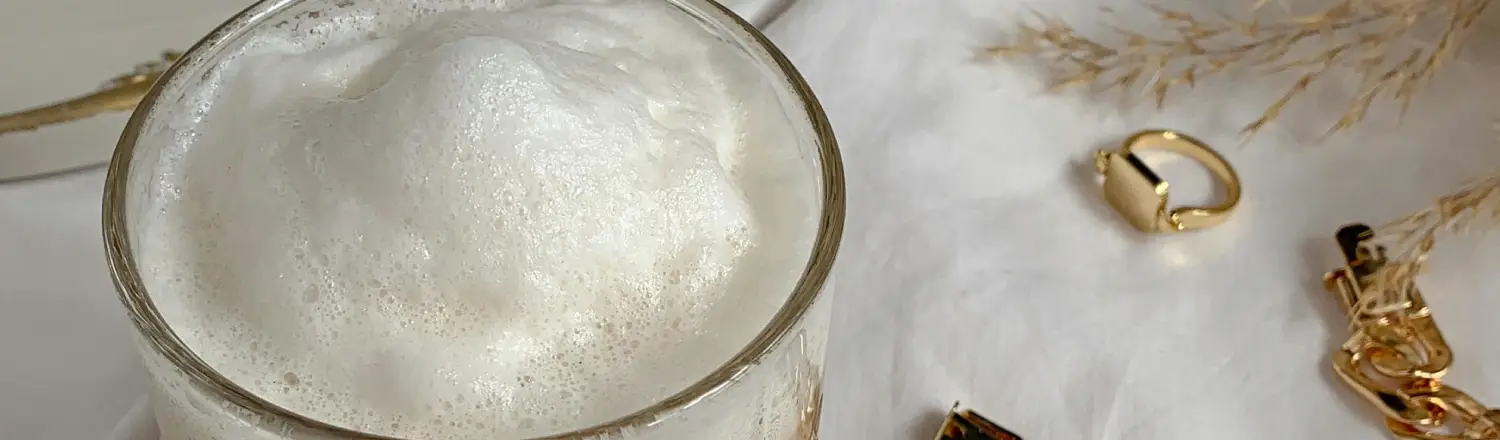
Kaimaki is the thick, velvety foam that forms on top of Greek and Turkish coffee during brewing. It’s created when finely ground coffee, water, and heat interact in just the right way. A rich kaimaki indicates a perfectly brewed cup, while a thin or missing foam can signal over- or under-heating.
Why Kaimaki Matters
- Flavor & Aroma: It locks in the coffee’s aromatic oils.
- Texture: Creates a smooth, indulgent mouthfeel.
- Visual Appeal: A golden foam layer makes your coffee Instagram-worthy! 📸
The Science Behind the Perfect Foam 🔬
Kaimaki forms due to:
- Fine Coffee Grounds: The finer the grind, the more surface area for bubbles to form.
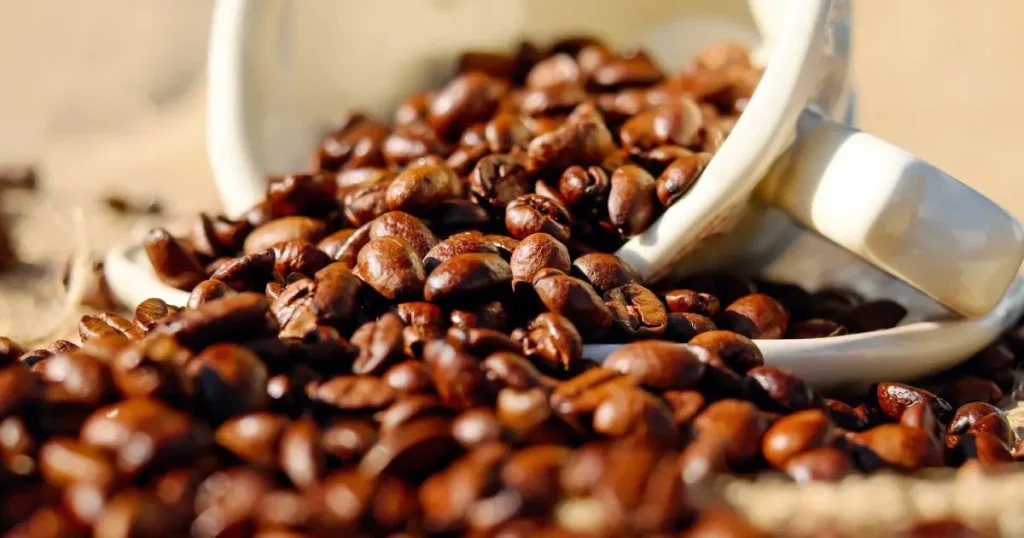
- Freshness: Freshly roasted coffee produces more foam.
- Heat Control: Gentle, consistent heating prevents foam from collapsing.
- No Stirring During Boil: Stirring disrupts the delicate foam formation.

Step-by-Step: Brewing Kaimaki Like a Pro 👩🍳👨🍳
Ingredients & Tools
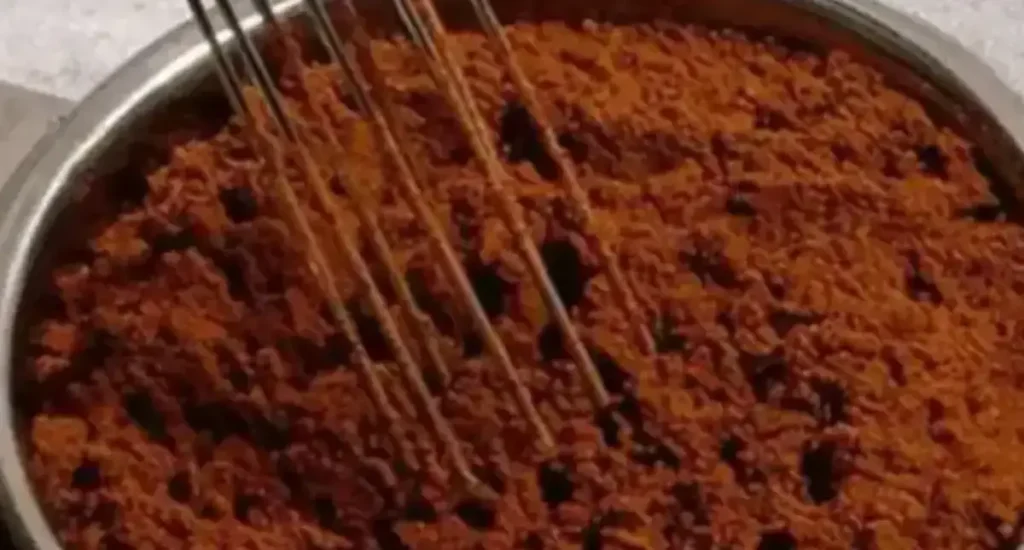
- 1 heaping teaspoon of finely ground Greek or Turkish coffee
- Cold water (per cup, ~100ml)
- Sugar (optional)
- Briki (traditional Greek/Turkish coffee pot)
- Small spoon
Brewing Method
- Measure & Mix: Add water, coffee, and sugar (if desired) into the briki. Mix gently.
- Low Heat: Place on low heat to gradually warm the mixture.
- Watch Closely: As foam rises, do not let it boil over. Remove from heat just as it peaks.
- Pour Carefully: Pour coffee slowly into your cup, keeping the foam intact.
- Serve Immediately: Enjoy your beautifully foamy coffee while it’s fresh!
💡 Tip: For extra-thick kaimaki, allow the coffee to foam slowly and avoid stirring after heating.
Common Mistakes That Ruin Kaimaki ❌
- Using coarse coffee → foam won’t form.
- Heating too fast → foam collapses.
- Stirring after foam appears → destroys the kaimaki layer.
- Using stale coffee → weak, flat foam.
FAQs About Kaimaki 📝
Can I make kaimaki with instant coffee?
Unfortunately, no. Kaimaki requires finely ground traditional coffee for proper foam formation.
How long does the foam last?
Ideally, enjoy it immediately. The foam starts to settle within a few minutes.
Is kaimaki the same as crema on espresso?
Not exactly. Crema is espresso’s frothy layer formed under pressure, while kaimaki forms naturally during gentle boiling.
Can I sweeten after brewing?
Yes, but gently stir to avoid breaking the foam.
You May Also Like ☕💡
- Greek Coffee 101: Brew, Taste & Cultural Traditions 🇬🇷
- Briki vs Cezve: What’s the Difference?
- How to Make Turkish Coffee at Home
- Stylish Coffee Station Accessories That Work