Dreaming of café-quality coffee without leaving your kitchen? The good news is you don’t need a commercial machine or years of training to brew better at home. With the right techniques, tools, and a few insider barista habits, your morning cup can taste richer, smoother, and more balanced.
- What You’ll Learn in This Guide
- 1. Start with Quality Beans
- 2. Master Your Grind Size
- 3. Use the Right Water
- 4. Dial in Your Brew Ratio
- 5. Preheat & Prep Like a Pro
- 6. Essential Barista Tools for Home
- 7. Upgrade Your Milk Game
- 8. Taste, Adjust, Repeat
- 9. Presentation Matters
- 10. Keep Your Gear Clean
- Wrapping It Up
- FAQs
- You May Also Like
In this guide, we’ll share practical barista tips that work across all brewing methods—whether you love pour-over, French press, moka pot, AeroPress, or espresso.
What You’ll Learn in This Guide
✅ How to pick and store coffee beans for peak freshness
✅ Why grind size is the secret to flavor
✅ Barista-inspired brewing tips for consistency
✅ Simple tools that make a big difference
✅ Tricks for better flavor and presentation at home
1. Start with Quality Beans
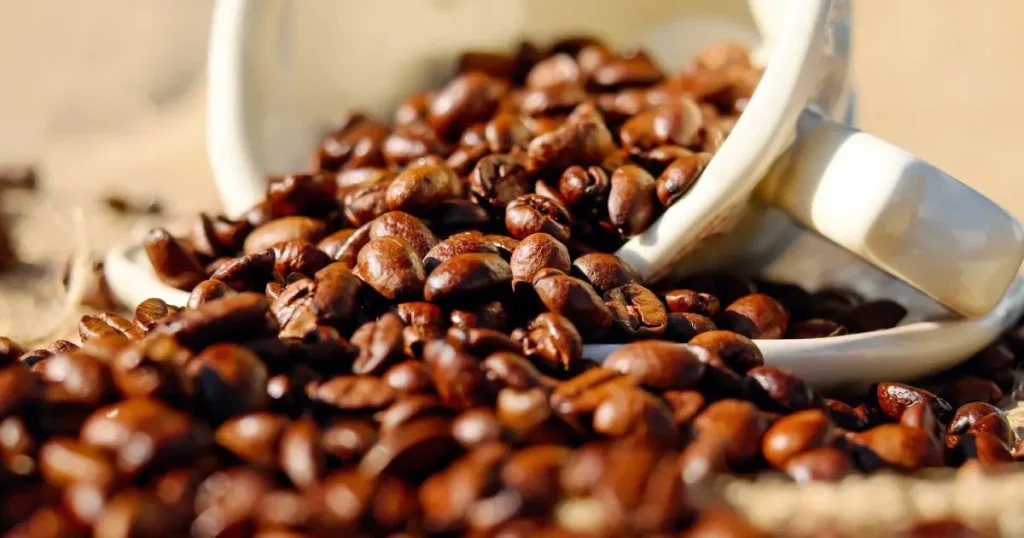
- Buy fresh: Look for roast dates (not just best-before). Coffee peaks within 2–4 weeks of roasting.
- Match roast to brew method:
- Light roast → best for pour-over & drip
- Medium roast → versatile (French press, AeroPress, moka pot)
- Dark roast → bold for espresso or stovetop
- Store properly: Keep beans in an airtight container, away from heat and light—never in the fridge.
2. Master Your Grind Size
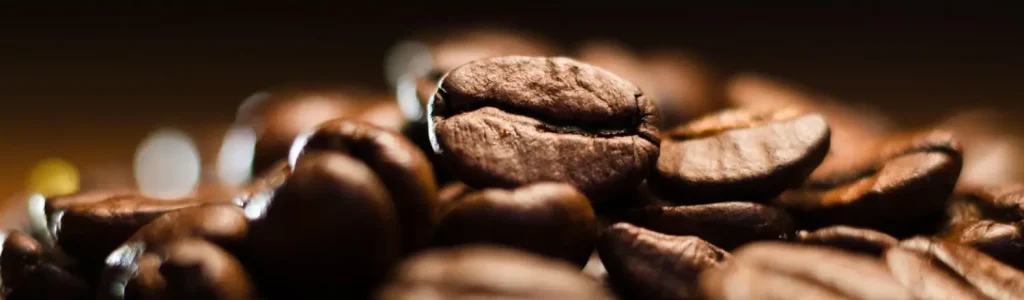
Grind size affects extraction more than almost anything else:
- Too fine → bitter, over-extracted taste
- Too coarse → sour, under-extracted taste
Barista tip 👉 Invest in a burr grinder (manual or electric) for consistent particle size. Adjust the grind based on brew time:
- Coarse → French press
- Medium → pour-over, drip
- Fine → espresso, moka pot
3. Use the Right Water
Great coffee needs great water. Baristas know that water makes up 98% of your cup.
- Use filtered water to avoid chlorine or mineral-heavy flavors.
- Ideal water temp: 90–96°C (195–205°F). Too hot = burnt taste, too cool = flat flavor.
4. Dial in Your Brew Ratio
A simple guideline baristas use:
- 1:15–1:17 coffee to water ratio for drip, pour-over, French press.
- 1:2 ratio for espresso.
Pro tip 👉 Use a digital scale instead of scoops. Consistency = repeatable results.
5. Preheat & Prep Like a Pro
- Preheat your French press, pour-over dripper, or espresso machine to stabilize temperature.
- Rinse paper filters before brewing to remove papery taste.
- Bloom freshly ground coffee with a small pour of hot water (30–40 seconds) to release CO₂ for sweeter, cleaner flavors.
6. Essential Barista Tools for Home
You don’t need a café setup, but a few tools make a world of difference:
- Burr grinder
- Digital scale
- Gooseneck kettle (for precision pour-over control)
- Thermometer or kettle with temp control
- Milk frother or steam wand (for lattes & cappuccinos)
7. Upgrade Your Milk Game
For creamy cappuccinos and lattes:
- Use cold, fresh milk.
- Practice stretching milk with small whirlpools (if steaming).
- For non-dairy, choose barista versions of oat, almond, or soy.
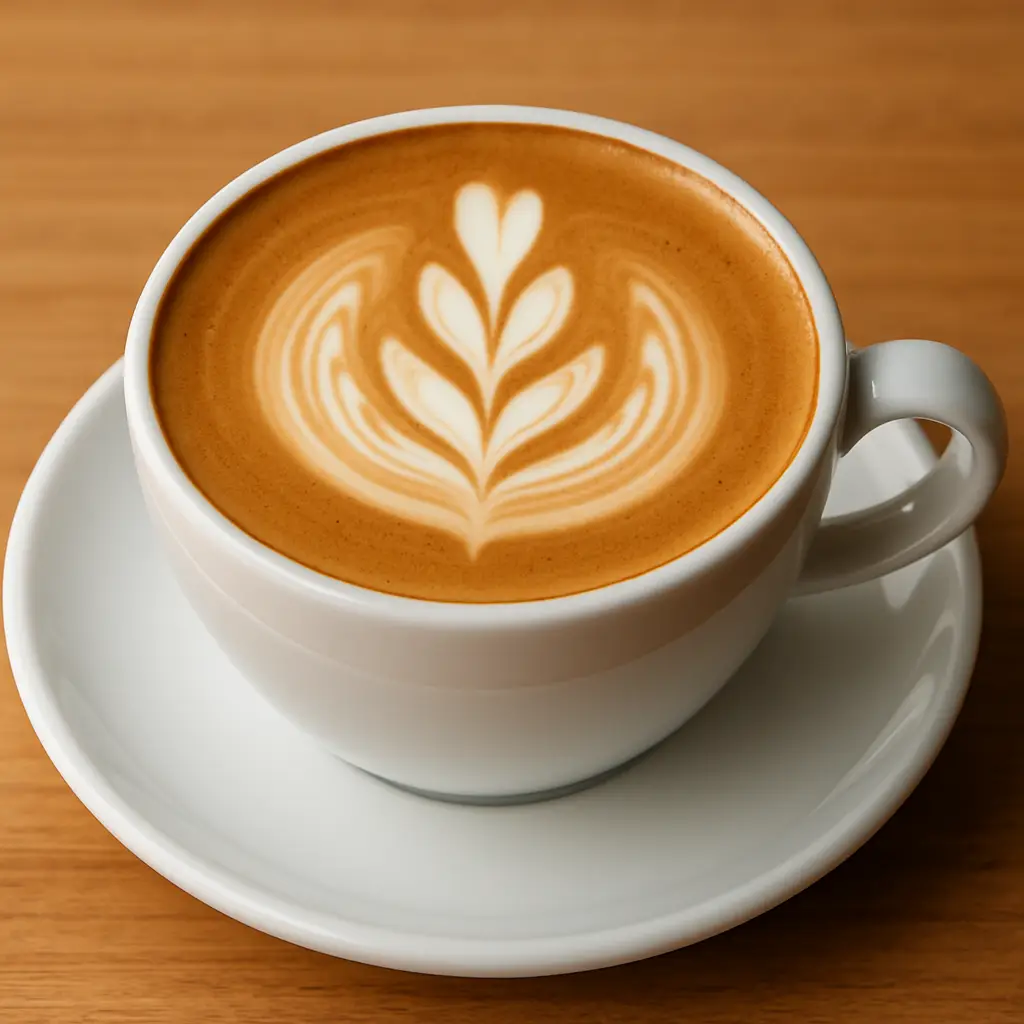
Pro touch 👉 Even with a handheld frother, you can create silky microfoam for latte art.
8. Taste, Adjust, Repeat
Baristas constantly dial in their recipes. Keep notes of your grind size, brew ratio, and water temp. Then tweak one variable at a time until your cup tastes just right.
9. Presentation Matters
Part of the café experience is in the details:
- Warm your mug before pouring.
- Use a proper coffee cup size (tiny espresso cups, larger latte bowls).
- Sprinkle cinnamon, cocoa, or nutmeg for a cozy finishing touch.
- Try simple latte art—even hearts and swirls make homemade coffee feel special.
10. Keep Your Gear Clean
Residue = bitterness. Baristas clean daily for a reason:
- Rinse gear after each brew.
- Deep clean grinders, espresso baskets, and filters weekly.
- Use dedicated cleaners for espresso machines or descale with citric acid/vinegar when needed.

Wrapping It Up
You don’t need a professional café setup to enjoy incredible coffee at home. By focusing on beans, grind, water, ratios, and a few barista-inspired habits, you’ll quickly see (and taste) the difference.
Coffee is both art and science—and half the fun is experimenting until you find your perfect cup.
👉 Diletta Alto Espresso Machine Review – Coffee Lover’s Dream
FAQs
Do I need expensive equipment to make good coffee?
No—start with fresh beans, a burr grinder, and a simple scale. Even with a French press, you can get café-level results.
What’s the easiest way to improve my coffee immediately?
Use freshly ground beans, filtered water, and the right ratio.
How often should I clean my coffee gear?
Quick rinse daily, deep clean weekly.
You May Also Like
- Beginner Coffee Beans ☕ Easy Picks for Your First Brews
- Essential Barista Gear for Home Enthusiasts
- Coffee Brewing Methods Explained: From Pour-Over to French Press