How to Get Better Crema ☕✨
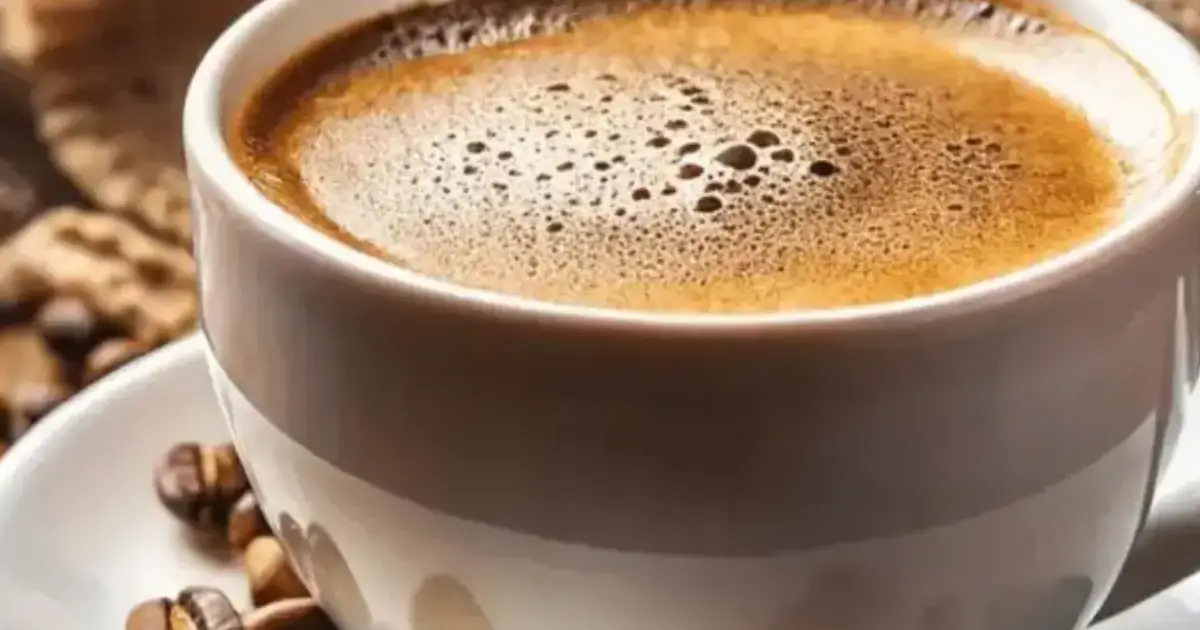
Espresso crema is the golden-brown foam layer that forms on top of a freshly brewed espresso shot.
- How to Get Better Crema ☕✨
- What Is Espresso Crema? ☕
- What Is Espresso Crema?
- Quick Answer
- What Does Good Espresso Crema Look Like?
- Does More Crema Mean Better Espresso?
- What Causes Espresso Crema?
- Why Crema Matters ☕✨
- Common Espresso Crema Problems
- How to Get Better Espresso Crema at Home ☕🔥
- Espresso Crema Pros & Cons
- Who Is Espresso Crema Best For?
- Espresso Crema vs Regular Coffee Foam
- Alternatives to Traditional Espresso Brewing
- Verdict: Is Espresso Crema Important? ☕✨
- Frequently Asked Questions
- You May Also Like ☕📚
What Is Espresso Crema? ☕

If you’ve ever watched a fresh espresso shot pour from a machine, you’ve probably noticed the rich golden foam sitting on top.
That layer is called espresso crema — and for many coffee lovers, it’s part of the magic of espresso.
But crema is more than just visual appeal.
It can reveal:
- Bean freshness
- Grind quality
- Espresso extraction balance
- Brewing technique
- Machine performance
In this guide, you’ll learn:
- What crema actually is
- Why it forms
- Whether thicker crema always means better espresso
- How to improve crema at home
- Common crema mistakes beginners make
Whether you’re new to espresso or refining your home barista skills, understanding crema helps you pull better shots consistently ☕✨
What Is Espresso Crema?
Quick Answer
Espresso crema is the creamy golden-brown foam that forms on top of espresso when hot water under pressure extracts coffee oils, gases, and soluble compounds from finely ground coffee beans.
Crema forms because espresso machines brew under high pressure — usually around 9 bars. During extraction, carbon dioxide trapped inside roasted coffee beans combines with oils and microscopic coffee particles to create foam.
Fresh coffee beans typically produce the best crema because they still contain trapped gases released during brewing.
What Does Good Espresso Crema Look Like?
Good crema usually has these characteristics:
| Feature | Ideal Crema |
|---|---|
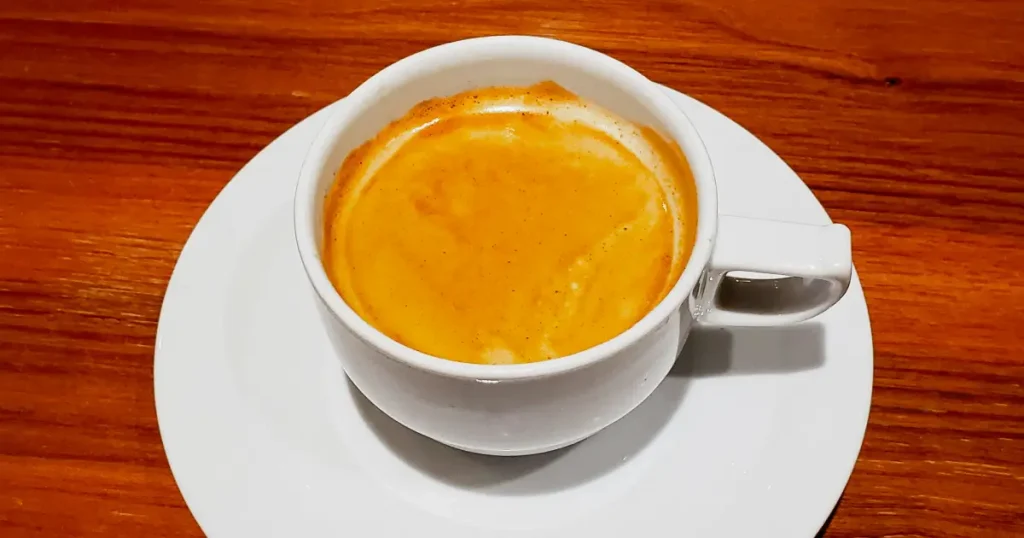
| Colour | Golden brown or hazelnut |
| Texture | Smooth and velvety |
| Thickness | Around 2–4 mm |
| Longevity | Lasts 1–2 minutes |
| Taste | Slightly sweet with mild bitterness |
Bad crema may appear:
- Too dark
- Very thin
- Large bubbly texture
- Pale and weak
- Dissipates instantly
Does More Crema Mean Better Espresso?
Not always.
A thick crema layer can look impressive, but crema alone doesn’t guarantee excellent flavour.
Some coffees naturally produce more crema than others:
- Dark roasts often create more visible crema
- Robusta beans produce heavier crema than Arabica
- Very fresh beans may create excessive crema
What matters most is overall flavour balance.
Great espresso should taste:
- Sweet
- Rich
- Smooth
- Balanced
- Full-bodied
Not overly bitter or sour.
What Causes Espresso Crema?
Several factors affect crema quality.
1. Fresh Coffee Beans 🌱
Freshly roasted beans contain more carbon dioxide, which helps create crema.
For best results:
- Use beans roasted within 2–4 weeks
- Avoid stale supermarket coffee
- Store beans in airtight containers
If you’re learning espresso fundamentals, our guide to home espresso workflows can help improve consistency across your routine.
2. Proper Grind Size
Espresso requires a very fine grind.
If the grind is:
- Too coarse → weak crema and under-extraction
- Too fine → bitter espresso and uneven extraction
Dialling in grind size is one of the biggest upgrades for beginners.
You may also enjoy reading about espresso puck prep techniques for improving extraction quality.
3. Espresso Machine Pressure
Traditional espresso machines brew under high pressure.
Machines with unstable pressure often create:
- Thin crema
- Weak body
- Inconsistent espresso shots
If you’re comparing machines, check out our guide on Gaggia Classic vs Breville Bambino to see how entry-level espresso machines differ.
4. Coffee Bean Blend
Different beans produce different crema levels.
| Bean Type | Crema Characteristics |
|---|---|
| Arabica | Smoother, lighter crema |
| Robusta | Thicker, darker crema |
| Blend | Balanced crema and flavour |
Many espresso blends include small amounts of Robusta to increase crema production.
5. Tamping & Distribution
Uneven coffee beds can cause channeling, which harms crema quality.
Proper puck prep helps create:
- More even extraction
- Better crema
- Improved espresso flavour
Tools like:
- WDT tools
- Precision tampers
- Distribution tools
can make a noticeable difference for home baristas.
Why Crema Matters ☕✨
Crema contributes to:
- Aroma
- Mouthfeel
- Espresso appearance
- Texture
- Overall espresso experience
It also helps trap aromatic compounds that enhance flavour while drinking.
However, crema should complement espresso — not overpower it.
Too much crema can sometimes taste:
- Bitter
- Harsh
- Dry
Balanced extraction remains the real goal.
Common Espresso Crema Problems
Thin Crema
Possible Causes
- Old beans
- Coarse grind
- Low brew pressure
- Weak tamping
Fixes
- Use fresher beans
- Adjust grinder finer
- Improve puck prep
- Check machine pressure
Bitter, Dark Crema
Possible Causes
- Over-extraction
- Grind too fine
- Water too hot
- Over-roasted beans
Fixes
- Grind slightly coarser
- Shorten extraction time
- Lower brew temperature
Pale or Weak Crema
Possible Causes
- Under-extraction
- Low-quality beans
- Insufficient pressure
Fixes
- Increase extraction time
- Use fresher coffee
- Improve grind consistency
How to Get Better Espresso Crema at Home ☕🔥
Use Freshly Roasted Coffee
Fresh beans are the single biggest factor.
Aim for:
- 7–30 days after roasting
- Whole beans only
- Proper airtight storage
Upgrade Your Grinder
A quality grinder improves:
- Particle consistency
- Extraction
- Crema quality
Even affordable espresso machines perform better with a strong grinder setup.
Improve Your Espresso Workflow
Consistency matters.
Create a repeatable process:
- Weigh beans
- Grind consistently
- Distribute evenly
- Tamp level
- Time extraction
This is why many enthusiasts build structured home coffee bar setups for better workflow efficiency.
Use Proper Brew Ratios
A classic espresso ratio is:
- 18g coffee in
- 36g espresso out
- 25–30 seconds extraction
These variables affect both crema and flavour balance.
Espresso Crema Pros & Cons
| Pros | Cons |
|---|---|
| Enhances aroma | Can taste bitter |
| Improves mouthfeel | Not always a quality indicator |
| Shows extraction freshness | Can disappear quickly |
| Creates café-style appearance | Easy to over-focus on visually |
Who Is Espresso Crema Best For?
Espresso crema matters most for:
Home Baristas
Learning extraction basics and improving consistency.
Espresso Enthusiasts
Refining flavour, texture, and shot quality.
Beginners
Understanding how freshness and grind affect espresso.
Café Lovers
Creating café-style espresso experiences at home.
Espresso Crema vs Regular Coffee Foam
Many beginners confuse crema with other coffee foam types.
| Type | Made From | Texture |
|---|---|---|
| Espresso Crema | Coffee oils + CO2 | Velvety |
| Milk Foam | Steamed milk | Creamy |
| French Press Foam | Coffee bloom | Light bubbles |
| Capsule Coffee Foam | Often artificial aeration | Thin and airy |
Alternatives to Traditional Espresso Brewing
If you enjoy espresso-style drinks but want alternatives, consider:
- Manual lever espresso machines
- Moka pots
- AeroPress brewing
- Capsule coffee systems
- Low-acid espresso blends
You may also like exploring:
- decaf vs regular coffee
- low acid coffee options
- coffee brewing methods for beginners
Verdict: Is Espresso Crema Important? ☕✨
Final Recommendation
Espresso crema is a useful indicator of freshness and extraction quality, but it shouldn’t be the only thing you judge espresso by.
The best espresso combines:
- Balanced flavour
- Smooth texture
- Sweetness
- Aroma
- Consistent extraction
Good crema supports those qualities — but flavour always comes first.
For most home baristas, focusing on:
- Fresh beans
- Better grinding
- Consistent puck prep
- Stable extraction
will naturally improve crema over time.
Frequently Asked Questions
Is crema supposed to taste good?
Crema can taste slightly bitter on its own, but when mixed into espresso it contributes body and aroma.
Why does my espresso have no crema?
Usually because of:
Old coffee beans
Incorrect grind size
Poor extraction pressure
Weak puck prep
Fresh beans are often the biggest fix.
Can you make crema without an espresso machine?
Not true crema.
Devices like moka pots or AeroPress can create foam-like layers, but authentic crema requires espresso-level brewing pressure.
Why do dark roasts produce more crema?
Dark roasts release gases more easily during extraction, which can create thicker crema.
However, darker crema doesn’t automatically mean better flavour.
Do automatic espresso machines make good crema?
Many fully automatic machines create decent crema, especially with fresh beans and proper maintenance.
Some super-automatic machines also artificially enhance foam appearance.
Why does crema disappear quickly?
Crema naturally fades over time.
Very fresh espresso usually keeps crema longer, while stale beans often lose it rapidly.
You May Also Like ☕📚
- Home espresso workflows for beginners
- Espresso puck prep techniques explained
- Gaggia Classic vs Breville Bambino comparison
- Capsule coffee vs traditional espresso machines
- Beginner coffee brewing methods guide
☕ Just a heads up—this post contains affiliate links. If you buy through them, Frothy Fusion may earn a small commission (at no cost to you). Thanks for supporting our coffee-fueled content!