When browsing for coffee beans, you’ve probably seen the terms single origin or blend on the label. But what do they really mean—and how do single origin vs blend affect the taste in your cup?
Let’s break it down so you can choose the right beans for your brew style and flavor preferences.
☕ What is Single Origin Coffee?
Single origin coffee comes from one specific place. That could be a single country (like Ethiopia), a specific region (like Yirgacheffe), or even a single farm or cooperative.
Key Features:
- Traceability: You know exactly where the beans were grown.
- Flavor Profile: Tends to highlight distinct tasting notes (e.g., floral, citrusy, or chocolatey) unique to that region.
- Seasonal Availability: These beans are often harvested once per year, so availability can vary.
Great For:
- Pour-over, AeroPress, or espresso if you want to taste the terroir.
- Coffee lovers who enjoy experimenting with origin flavors.
🧑🔬 What is a Coffee Blend?
A blend combines beans from two or more origins—sometimes different countries, sometimes different roast levels.
Key Features:
- Balanced Flavor: Roasters combine beans to create a consistent, smooth profile.
- Versatile Use: Often designed to work well with milk (e.g., in lattes or cappuccinos).
- Available Year-Round: Easier to keep consistent and affordable.
Great For:
- Everyday coffee drinkers who want reliability.
- Home baristas looking for a well-rounded espresso shot.
🔍 Single Origin vs Blend Comparison
| Feature | Single Origin | Blend |
|---|---|---|
| Origin | One farm, region, or country | Multiple origins |
| Flavor | Distinct, sometimes complex | Balanced, approachable |
| Best Brewing Methods | Pour-over, espresso, filter | Espresso, French press, drip, milk-based drinks |
| Consistency | Can vary by season | Designed for flavor consistency |
| Ideal For | Coffee connoisseurs | Everyday drinkers and milk-based drinks |
🎯 Which One Should You Choose Single Origin vs Blend?
It depends on what you’re after!
- Go Single Origin if you’re chasing complex, interesting flavor notes and love brewing black coffee to taste the differences.
- Pick a Blend if you enjoy milk-based drinks or want a consistent, budget-friendly bean for daily use.
Want to explore both? Many coffee lovers keep a blend for their morning latte and a single origin for slow weekend brews. Why not enjoy the best of both worlds?
💡 Fun Fact: Why Roasters Love Blends
Coffee roasters use blends to create signature flavors. Think of it like a chef using different spices—each bean brings something to the mix. They balance acidity, sweetness, and body to hit a specific flavor target.
That’s why café espresso shots often use blends—they’re dialed in to taste great with milk.
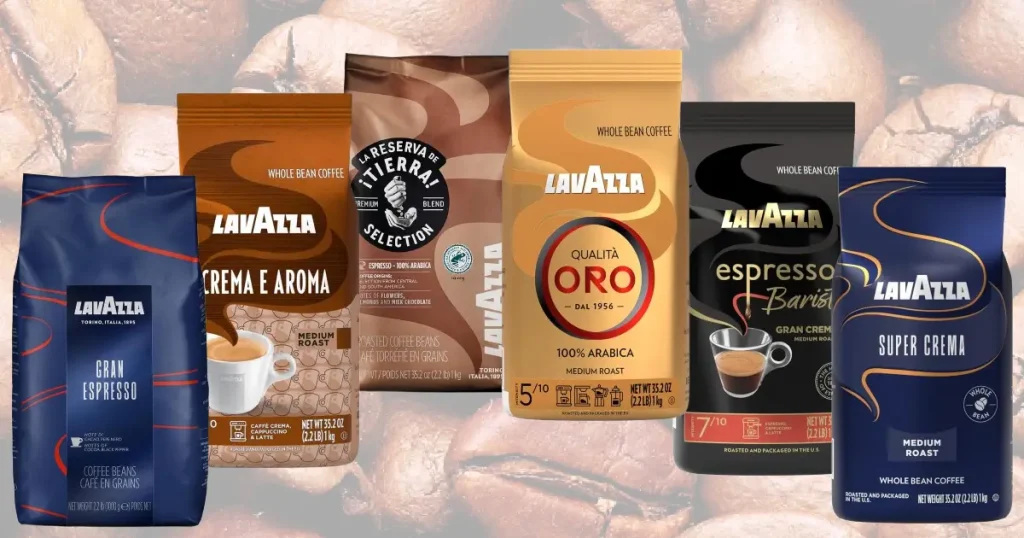
🛒 Where to Buy Great Beans
Whether you want single origin or blends, we’ve got you covered:
🙋♀️ FAQs Single Origin vs Blend
Are blends lower quality than single origin?
Not at all! Quality depends on the beans and roasting, not the type. Many premium blends use high-grade single origins.
Why do single origin coffees taste fruity or floral?
It’s the result of the soil, altitude, and processing methods in the growing region—especially in places like Ethiopia or Kenya.
Can I use a blend for pour-over or filter coffee?
Absolutely. Just look for one labeled as “filter roast” or “light roast” for the best results.
✨ Final Sip on Single Origin vs Blend
Whether you prefer the clarity of a single origin or the balance of a blend, there’s no wrong choice—only what suits your taste and brew style.
Start with what you enjoy, then explore the world of beans from there. Each cup is a chance to travel the globe, one sip at a time. 🌍
☕ Just a heads up—this Single Origin vs Blend post contains affiliate links. If you buy through them, Frothy Fusion may earn a small commission (at no cost to you). Thanks for supporting our coffee-fueled content!