If you’ve upgraded your coffee beans, grinder, and brewer but your coffee still tastes disappointing, the problem may be your water. Lets take a look at the Best Water Filters for Coffee Brewing
- Quick Answer to the Best Water Filters for Coffee Brewing
- Why Water Quality Matters
- What Makes Good Coffee Water?
- Types of Coffee Water Filters
- Comparison Table
- Features to Look For
- Is Bottled Water Better?
- Water Filters vs Distilled Water
- Best Water Filters by Brewing Method
- Signs You Need Better Water
- Maintenance Tips
- Pros and Cons for Best Water Filters for Coffee Brewing
- FAQs for Best Water Filters for Coffee Brewing
- Final Verdict on Best Water Filters for Coffee Brewing
- Key Takeaways for Best Water Filters for Coffee Brewing
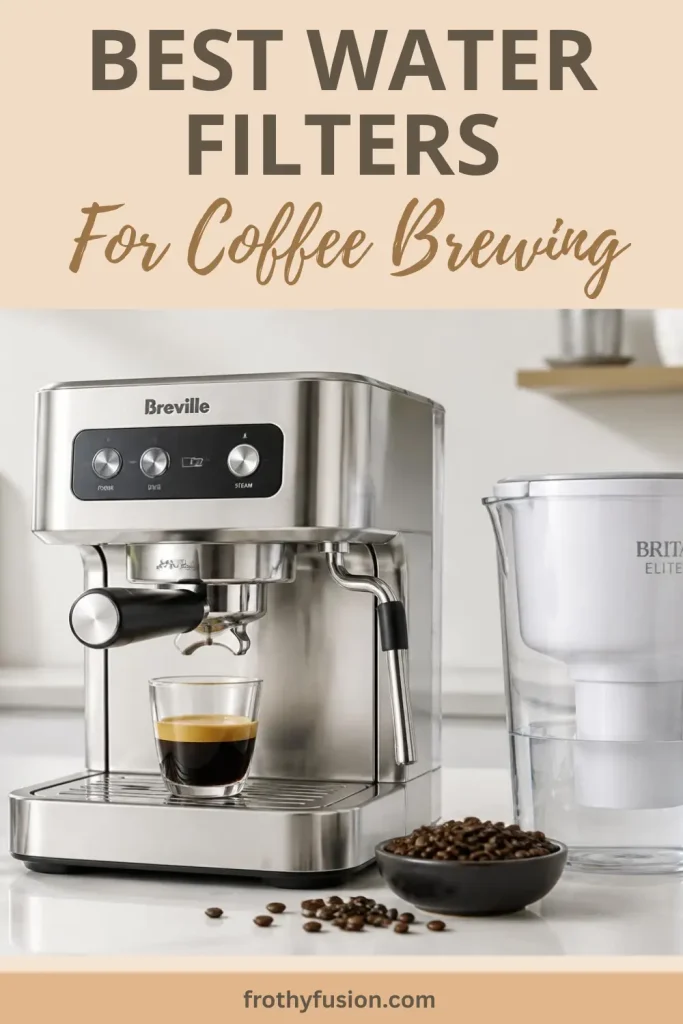
Water makes up 98–99% of every cup of coffee, yet it’s one of the most overlooked ingredients.
Minerals, chlorine, hardness, and impurities can dramatically affect extraction, flavor, and even the lifespan of your espresso machine.
The good news is you don’t need expensive bottled water to brew excellent coffee.
The right water filter can improve taste, reduce scale buildup, and help your coffee equipment last much longer.
In this Best Water Filters for Coffee Brewing guide you’ll discover the best water filters for coffee brewing, learn which type is right for your home, and find out whether you really need one.
Quick Answer to the Best Water Filters for Coffee Brewing
The Best Water Filters for Coffee Brewing depends on your brewing setup:
| Best For | Recommendation |
|---|---|
| Most homes | High-quality filter pitcher |
| Espresso machines | Machine-specific water filter |
| Heavy coffee drinkers | Under-sink filtration system |
| Renters | Faucet-mounted filter |
| Hard water areas | Filter plus descaling routine |
Why Water Quality Matters
Many people focus on coffee beans while ignoring the ingredient used in the greatest quantity.
Poor-quality water can cause:
- Bitter coffee
- Flat flavor
- Sour extraction
- Chalky aftertaste
- Reduced aroma
- Scale inside espresso machines
- Expensive repairs
Good filtration removes unwanted contaminants while leaving enough minerals for proper extraction.
What Makes Good Coffee Water?
The ideal brewing water contains minerals—but not too many.
You want water that is:
✔ Clean tasting
✔ Odor free
✔ Chlorine free
✔ Moderately mineralized
✔ Not excessively hard
Extremely soft or distilled water is also a poor choice because coffee extracts best when certain minerals are present.
👉Best Coffee Water for Espresso Machines
Types of Coffee Water Filters
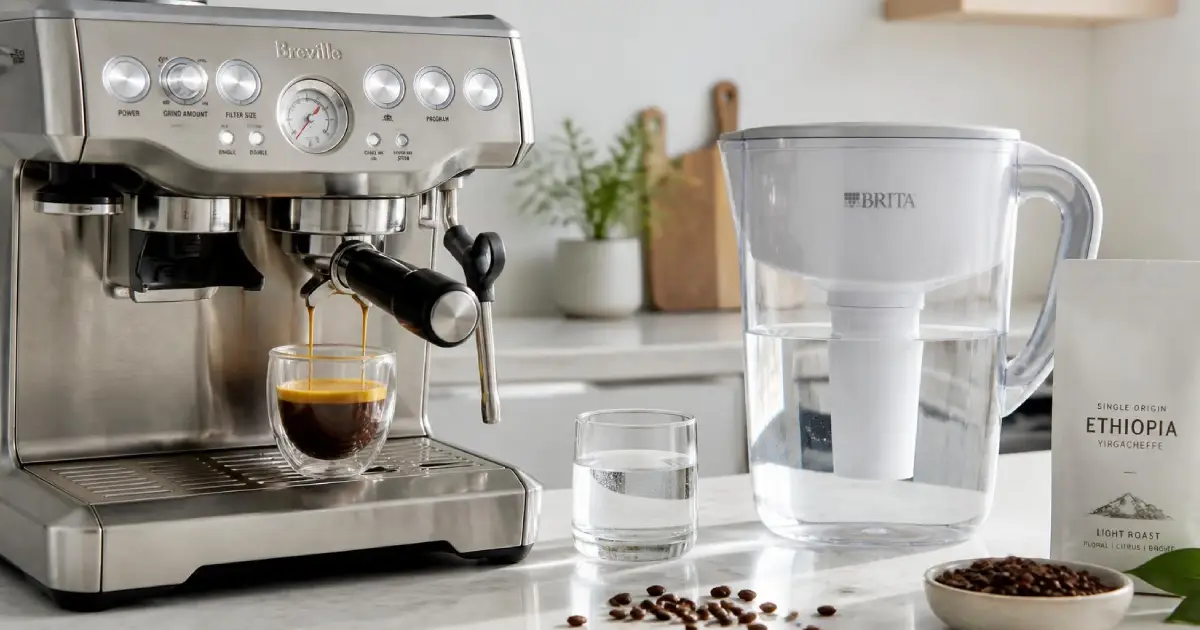
1. Filter Pitchers
Best for: Most coffee drinkers
These are affordable, easy to use, and require no plumbing.
Advantages:
- Low cost
- Portable
- Great tasting water
👉 Check the latest price for the Water filter pitchers on Amazon
Disadvantages:
- Small capacity
- Slow refill speed
Ideal for:
- Pour over
- French press
- AeroPress
- Drip coffee
- Espresso machine filling
2. Faucet Filters
Best if you brew several cups every day.
Benefits include:
- Instant filtered water
- Higher capacity
- Easy installation
- No waiting for pitchers
👉 Check the latest price for the Faucet-mounted filters on Amazon
3. Under-Sink Filtration
Best for coffee enthusiasts.
These systems provide filtered water directly from a dedicated faucet.
Advantages:
- Large capacity
- Better filtration
- Long filter life
- Excellent convenience
Higher upfront cost is the main drawback.
👉 Check the latest price for the Under-sink filtration systems on Amazon
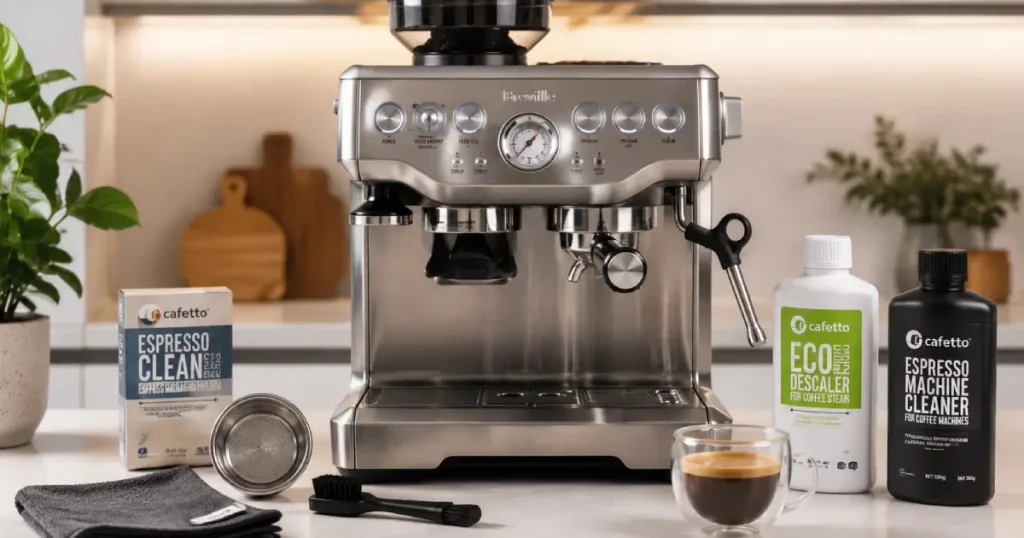
4. Espresso Machine Water Filters
Many premium espresso machines include removable filters inside the water tank.
These help reduce:
- Scale buildup
- Chlorine
- Mineral deposits
They also extend the time between descaling cycles.
Popular brands include:
Always use the manufacturer-recommended filter when possible.
Comparison Table
| Filter Type | Taste Improvement | Machine Protection | Cost | Maintenance |
|---|---|---|---|---|
| Pitcher | ★★★★★ | ★★★☆☆ | Low | Easy |
| Faucet | ★★★★☆ | ★★★★☆ | Medium | Easy |
| Under Sink | ★★★★★ | ★★★★★ | High | Moderate |
| Machine Filter | ★★★★☆ | ★★★★★ | Medium | Easy |
Features to Look For
Chlorine Reduction
Chlorine is one of the biggest reasons coffee tastes dull or chemical-like.
Activated carbon filters remove most chlorine while improving aroma.
Scale Reduction
Hard water creates calcium deposits inside espresso machines.
A good filter reduces hardness and minimizes limescale buildup.
👉 Check the latest price for the Water hardness test strips on Amazon
Filter Life
Longer-lasting filters reduce ongoing costs.
Typical replacement intervals:
- Pitchers: 1–2 months
- Machine filters: 2–3 months
- Faucet filters: 2–4 months
- Under-sink filters: 6–12 months
👉 Check the latest price for the Espresso machine replacement filters on Amazon
Certification
Look for filters tested against recognized standards, such as NSF/ANSI certifications, to verify contaminant reduction claims.
👉Espresso Machine Maintenance Guide
Is Bottled Water Better?
Usually not.
Many bottled waters contain:
- Excess minerals
- Very high hardness
- Unknown mineral balance
Some brands actually produce worse coffee than properly filtered tap water.
Filtered tap water is generally:
- More consistent
- More affordable
- Better for the environment
👉Super Automatic vs Semi Automatic Espresso Machines
Water Filters vs Distilled Water
Never use distilled water regularly in most espresso machines unless your manufacturer specifically recommends it.
Distilled water:
- Extracts coffee poorly
- Produces flat flavor
- Can affect machine sensors on some models
Coffee needs some mineral content for balanced extraction.
👉 Check the latest price for the Reusable water filter cartridges on Amazon
Best Water Filters by Brewing Method
Espresso Machines
Best choice:
- Manufacturer water filter
- Filtered tap water
- Regular descaling
👉 Check the latest price for the Descaling solutions on Amazon
Pour Over
A filter pitcher offers excellent results while maintaining balanced mineral content.
French Press
Filtered water improves sweetness and reduces bitterness.
Drip Coffee Makers
A faucet or pitcher filter is usually sufficient for consistently good coffee.
Signs You Need Better Water
Your water may be affecting your coffee if you notice:
- White scale inside the kettle
- Bitter coffee
- Metallic taste
- Chlorine smell
- Cloudy water
- Espresso machine asking for frequent descaling
👉How to Descale an Espresso Machine
Maintenance Tips
Replace filters according to the manufacturer’s schedule.
Also:
- Clean your water tank weekly
- Descale espresso machines as recommended
- Flush new filters before first use
- Store filter pitchers in the refrigerator if recommended
👉How to Choose a Coffee Machine for Your Home
Pros and Cons for Best Water Filters for Coffee Brewing
Pros
✔ Better tasting coffee
✔ Longer espresso machine life
✔ Less limescale
✔ Better extraction
✔ Lower maintenance costs
Cons
✘ Ongoing filter replacement costs
✘ Some systems require installation
✘ Filters need regular maintenance
👉How Long Do Espresso Machines Last?
FAQs for Best Water Filters for Coffee Brewing
What is the best water filter for coffee?
A high-quality activated carbon filter pitcher is the best choice for most households because it improves taste, removes chlorine, and is affordable.
Do coffee machines need filtered water?
Filtered water helps reduce mineral buildup and improves coffee flavor. Many espresso machine manufacturers recommend using filtered water.
Does filtered water make coffee taste better?
Yes. Removing chlorine and balancing mineral content can noticeably improve sweetness, clarity, and aroma.
Should I use bottled water?
Filtered tap water is usually a better option because it provides more consistent mineral levels and costs much less over time.
How often should I replace coffee water filters?
Most filters need replacing every 2–3 months, although the exact interval depends on usage and the manufacturer’s recommendations.
Final Verdict on Best Water Filters for Coffee Brewing
Water is one of the most important ingredients in coffee, and improving it is often one of the easiest upgrades you can make.
For most households, a quality filter pitcher offers an excellent balance of affordability, convenience, and improved flavor. Espresso machine owners should also use the appropriate in-tank water filter and follow a regular descaling schedule to keep their machines performing at their best.
Choosing the right filtration system won’t just make your coffee taste cleaner and sweeter—it can also protect your equipment, reduce maintenance costs, and help you get the most from every bag of coffee beans.
Key Takeaways for Best Water Filters for Coffee Brewing
- Water makes up almost all of your brewed coffee.
- Chlorine and hard water can negatively affect flavor.
- Filter pitchers are the best all-around option for most people.
- Espresso machines benefit from manufacturer-approved water filters.
- Avoid distilled water for regular coffee brewing.
- Replacing filters on schedule improves both taste and machine longevity.
☕ Just a heads up—this post contains affiliate links. If you buy through them, Frothy Fusion may earn a small commission (at no cost to you). Thanks for supporting our coffee-fueled content!