Quick Summary
Blade grinders are affordable, compact coffee grinders that chop beans using spinning blades. They’re great for beginners and casual coffee drinkers, but they don’t provide the same consistency as burr grinders.
- Quick Summary
- Blade Grinders Explained ☕
- What Is a Blade Grinder?
- How They Work
- Blade Grinder vs Burr Grinder
- Pros For ✅
- Cons ❌
- Who Are They Best For?
- Who Should Skip Blade Grinders?
- Tips for Getting Better Results From a Blade Grinder ☕
- Best Brewing Methods for Blade Grinders
- Alternatives to Blade Grinders
- Are Blade Grinders Worth It in 2026?
- Quick Verdict Box ☕✨
- ☕ Quick Verdict
- Frequently Asked Questions
- You May Also Like ☕📚
Best for: Budget-friendly brewing, drip coffee, and beginners
Not ideal for: Espresso lovers or precision brewing methods
Blade Grinders Explained ☕
If you’re starting your home coffee journey, there’s a good chance you’ve come across blade grinders. They’re affordable, easy to find, and often marketed as the simplest way to grind coffee beans at home.
But are they actually good for coffee?
The answer depends on how serious you are about your brew quality.
In this guide, you’ll learn:
- How they work
- The pros and cons
- Who they’re best for
- How they compare to burr grinders
- Whether they’re worth buying in 2026
What Is a Blade Grinder?
It is a coffee grinder that uses spinning metal blades to chop coffee beans into smaller pieces.
Unlike burr grinders, which crush beans between grinding surfaces, blade grinders work more like small blenders.
Quick Answer ☕
Blade grinders chop coffee beans unevenly using spinning blades. They’re affordable and beginner-friendly but less consistent than burr grinders.
How They Work
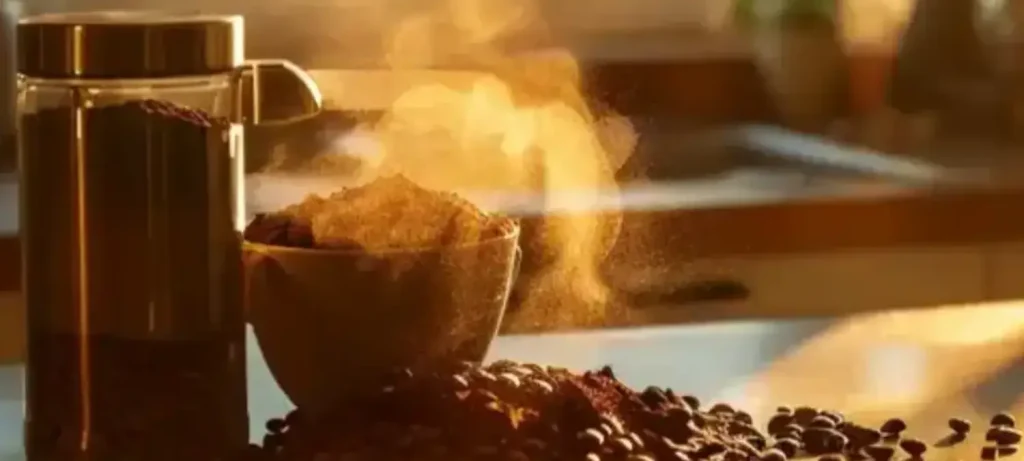
Inside is a rapidly spinning blade powered by a small motor.
When you press the button:
- The blades spin at high speed
- Coffee beans bounce around inside
- Beans are chopped into smaller particles
The longer you grind, the finer the coffee becomes.
However, because the beans move randomly, particle size is inconsistent. Some grounds become powdery while others remain chunky.
This uneven grind affects extraction and flavor.
☕ Our Top Picks


Blade Grinder vs Burr Grinder
One of the biggest debates in coffee gear is blade grinders vs burr grinders.
Here’s the simple breakdown:
| Feature | Blade Grinder | Burr Grinder |
|---|---|---|
| Grind Consistency | Uneven | Consistent |
| Price | Budget-friendly | More expensive |
| Ease of Use | Very easy | Easy |
| Best For | Casual brewing | Specialty coffee |
| Espresso Capability | Poor | Excellent |
| Noise Level | Loud | Moderate |
| Precision Control | Limited | High |
If you mainly brew drip coffee occasionally, a blade grinder can work fine.
But if you want better flavor clarity, espresso, or pour-over precision, a burr grinder is usually the better investment.
For a deeper comparison, check out our guide to burr grinders and why consistency matters for extraction.
Pros For ✅
Affordable Entry Point
Blade grinders are among the cheapest coffee grinders available.
They’re ideal if:
- You’re new to grinding coffee
- You’re on a budget
- You only brew occasionally
Compact and Portable
Most blade grinders are small and lightweight, making them easy to store in small kitchens or apartments.
Simple to Use
There are no grind settings or complicated adjustments.
Just:
- Add beans
- Press the button
- Grind
Multi-Purpose
Many people also use blade grinders for:
- Spices
- Herbs
- Nuts
Cons ❌
Uneven Grind Size
This is the biggest downside.
Uneven grounds can cause:
- Bitter flavors
- Weak extraction
- Muddy coffee
Hard to Control Grind Size
You can’t easily choose a precise grind setting like:
- Espresso fine
- Medium drip
- French press coarse
Instead, you estimate based on grinding time.
Heat Build-Up
Fast-spinning blades generate heat, which can slightly affect coffee flavor and aroma.
Messy Grounds
Coffee grounds often cling to the sides due to static electricity.
Who Are They Best For?
Beginners ☕
If you’re just getting into coffee brewing, they’re a low-cost starting point.
Casual Coffee Drinkers
Perfect for people who:
- Brew basic drip coffee
- Don’t need precision
- Want convenience
Budget-Conscious Buyers
They are far cheaper than premium burr grinders.
If you’re building a starter setup, pair one with:
- A simple drip coffee maker
- A French press
- A beginner espresso setup
Who Should Skip Blade Grinders?
You may want to avoid them if you:
- Make espresso regularly
- Use pour-over brewing methods
- Want café-quality consistency
- Care deeply about flavor clarity
For these brewing styles, grind uniformity matters a lot.
You’ll likely get better results from a burr grinder instead.
Tips for Getting Better Results From a Blade Grinder ☕
Although they aren’t perfect, you can improve your grind quality with a few tricks.
Pulse Instead of Holding
Use short bursts instead of continuous grinding.
This helps reduce overheating and improves consistency.
Shake the Grinder
Gently shaking while grinding helps larger pieces move closer to the blades.
Grind in Small Batches
Overfilling the chamber leads to even more inconsistent grounds.
Sift Grounds (Optional)
Some coffee enthusiasts sift grounds through a mesh filter to remove larger chunks.
Best Brewing Methods for Blade Grinders
They work best with forgiving brewing methods like:
- Drip coffee
- French press
- Cold brew
- AeroPress
- Moka pot (acceptable, but not ideal)
They’re generally not recommended for true espresso machines because espresso requires a very precise grind.
If you’re exploring espresso gear, you may also enjoy our guide to home barista setup essentials.
Alternatives to Blade Grinders
If you want more control and better coffee quality, here are some alternatives.
Burr Grinders
Burr grinders create more even grounds and better extraction.
They’re ideal for:
- Espresso
- Pour-over
- Specialty coffee brewing
Related reading:
- Best burr grinder options for home brewing
- Manual vs electric coffee grinders
- Coffee grinder maintenance and cleaning tips
Manual Coffee Grinders
Hand grinders are quieter, portable, and often surprisingly consistent.
They’re great for:
- Travel
- Small kitchens
- Slow coffee rituals
Pod Coffee Systems
If convenience matters most, pod espresso machines may suit you better than grinding beans manually.
Are Blade Grinders Worth It in 2026?
For beginners and casual coffee drinkers, yes — they can still be worth it.
They offer:
- Affordability
- Convenience
- Accessibility
But they do have limitations.
As your coffee skills improve, you may eventually notice:
- Less flavor clarity
- Inconsistent extraction
- Difficulty dialing in brews
That’s usually when coffee lovers upgrade to burr grinders.
Quick Verdict Box ☕✨
Blade Grinders: Worth Buying?
Best For: Beginners, budget setups, casual brewing
Strengths: Affordable, compact, easy to use
Weaknesses: Inconsistent grind quality, limited precision
👉 If you’re just starting your coffee journey, a blade grinder is a perfectly reasonable first step.
👉 If you want café-quality coffee or espresso, investing in a burr grinder is usually the smarter long-term choice.
☕ Quick Verdict
BEST OVERALL KitchenAid Blade Coffee Grinder
Coffee reviewers frequently rank it as the best overall blade grinder for beginners and casual coffee drinkers.
👉 Check Price on AmazonFrequently Asked Questions
Are they bad for coffee?
Not necessarily. they can still make decent coffee, especially for casual brewing methods like drip coffee or French press. They simply produce less consistent grounds than burr grinders.
Can you use a one for espresso?
Technically yes, but results are inconsistent. Espresso requires a very fine and uniform grind, which blade grinders struggle to produce.
Why are burr grinders better?
Burr grinders crush beans evenly, leading to better extraction, flavor balance, and brewing consistency.
How long should you grind coffee in a blade grinder?
Usually:
5–10 seconds for coarse grounds
10–20 seconds for medium grounds
20–30 seconds for finer grounds
Results vary depending on the grinder.
Are blade grinders good for French press?
They can work reasonably well, although you may notice extra sediment because of uneven grind sizes.
Do blade grinders dull over time?
Yes. The blades can become less effective after years of use, especially with heavy grinding.
You May Also Like ☕📚
Espresso knock boxes and coffee station accessories
Best burr grinder options for home coffee lovers
Manual vs electric coffee grinders explained
Home barista setup essentials for beginners
Pod espresso machines: convenience vs quality
☕ Just a heads up—this post contains affiliate links. If you buy through them, Frothy Fusion may earn a small commission (at no cost to you). Thanks for supporting our coffee-fueled content!