Not sure whether medium roast coffee is the right roast for you? It sits in the middle of the roast spectrum: sweeter and rounder than a light roast, brighter and less smoky than a dark roast. That balance is why it is the roast most home brewers reach for first.
- Quick Answer: What Is Medium Roast Coffee?
- Key Takeaways
- Roast Levels at a Glance
- What Is Medium Roast Coffee and How Is It Made?
- What Does Medium Roast Coffee Taste Like?
- Does Medium Roast Coffee Have More Caffeine?
- Medium Roast vs Light Roast vs Dark Roast
- Medium Roast Coffee: Pros and Cons
- How to Brew Medium Roast Coffee
- How to Buy and Store Medium Roast Coffee Beans
- Expert Tips and Common Mistakes
- Medium Roast Coffee FAQs
- Is medium roast coffee stronger than dark roast?
- Does medium roast have more caffeine than light or dark roast?
- Is medium roast coffee less acidic than light roast?
- What is the best way to brew medium roast coffee?
- Is medium roast coffee good for espresso?
- Is breakfast blend a medium roast?
- Is medium roast coffee healthier than dark roast?
- How long does medium roast coffee stay fresh?
- Final Verdict: Is Medium Roast Coffee Right for You?
- 🔗 Related Reads
In this guide you’ll learn what medium roast coffee is, how it tastes, how much caffeine it contains, and how to brew it well in a drip machine, pour-over, French press, espresso machine or moka pot.
Quick Answer: What Is Medium Roast Coffee?
Medium roast coffee is roasted to roughly 210–220°C (410–430°F), stopping after first crack and before second crack. It tastes balanced, with caramel sweetness, gentle acidity and a smooth body. The beans are medium brown with a dry surface, and the roast works well with almost every brewing method, from drip to espresso.
Key Takeaways
- Balanced by design: medium roast coffee keeps some of the bean’s origin character while adding roasted sweetness and body.
- Flavor: expect caramel, milk chocolate, nuts and mild fruit, with moderate acidity.
- Caffeine: roast level barely changes caffeine. Brew strength and how you measure the coffee matter far more.
- Most versatile roast: it suits drip, pour-over, French press, moka pot, AeroPress and espresso.
- Best for beginners: it is forgiving to brew and easy to enjoy black or with milk.
- Freshness still rules: use beans within about 4 to 6 weeks of the roast date for the best flavor.
Roast Levels at a Glance
Temperatures are approximate bean temperatures when the roast is finished. Exact numbers vary by roaster and equipment.
| Roast level | Bean temperature (approx.) | Color | Flavor | Acidity | Body | Best for |
|---|---|---|---|---|---|---|
| Light | 195–205°C (385–400°F) | Light brown, dry | Floral, citrus, tea-like | High | Light | Pour-over, filter |
| Medium | 210–220°C (410–430°F) | Medium brown, dry | Caramel, chocolate, nutty | Medium | Medium | Drip, French press, espresso, moka pot |
| Medium-dark | 225–230°C (435–445°F) | Dark brown, slight sheen | Dark chocolate, spice, bittersweet | Low–medium | Full | Espresso, milk drinks |
| Dark | 235°C+ (455°F+) | Very dark, oily | Smoky, roasty, bitter | Low | Heavy | Espresso, French press |
What Is Medium Roast Coffee and How Is It Made?
Medium roast coffee is green coffee that has been roasted long enough to develop sweetness and body, but stopped before the heavy, smoky flavors of a dark roast take over. Roasters finish it between the end of first crack and the start of second crack.
The Roasting Stages Behind a Medium Roast
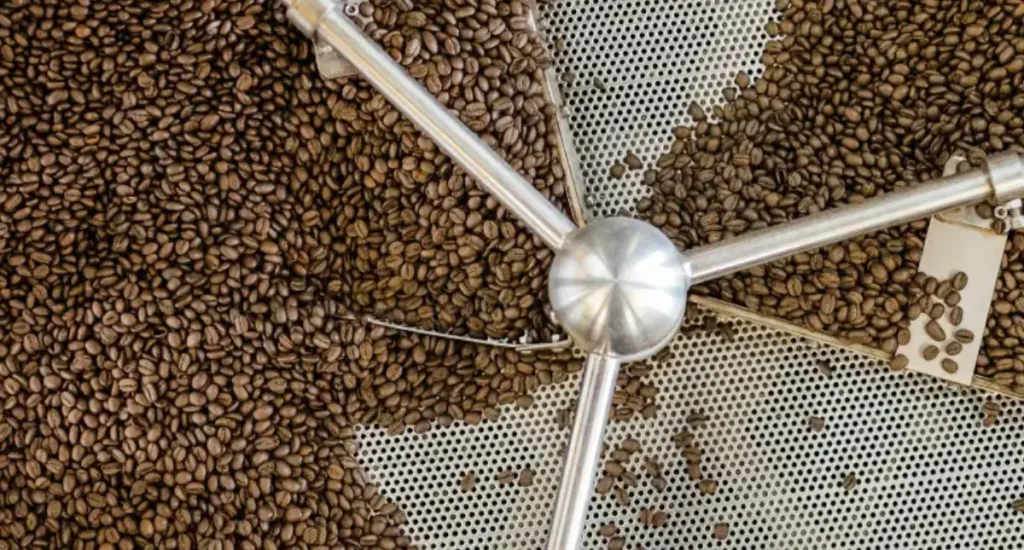
During roasting, green beans turn yellow, then tan, then brown as sugars caramelize and moisture escapes. Around 196°C (385°F) the beans make an audible popping sound called first crack, which marks the start of a light roast.
Roasters let the beans keep developing past that point. A medium roast is typically dropped from the roaster somewhere around 210–220°C (410–430°F), before second crack begins at roughly 224°C (435°F). Those extra minutes build caramel sweetness and soften the sharp acidity found in lighter roasts.
Other Names for Medium Roast
Roast names are not standardized, so one brand’s “medium” can be another’s “medium-dark.” On bags you may see:
- City roast
- American roast
- Breakfast roast
- Regular roast
- Full City roast (usually at the darker end of medium)
When in doubt, check the roaster’s flavor notes and the color of the beans rather than relying on the name alone.
What Medium Roast Beans Look Like
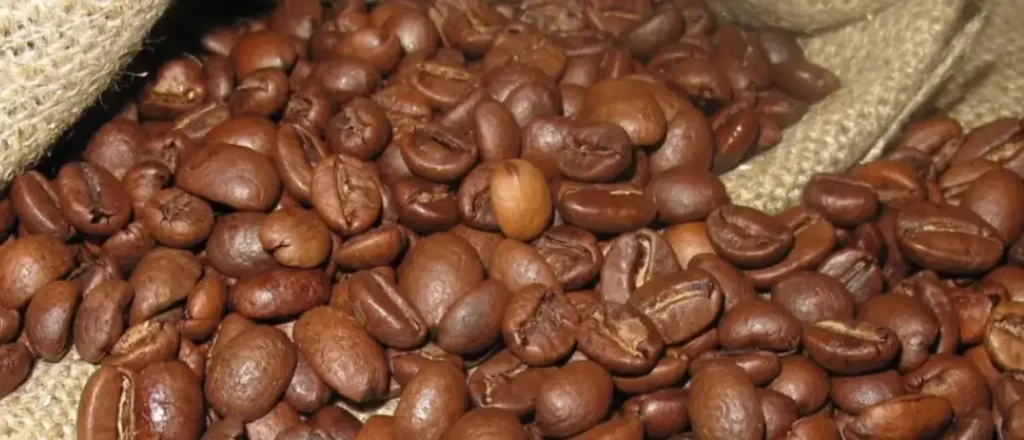
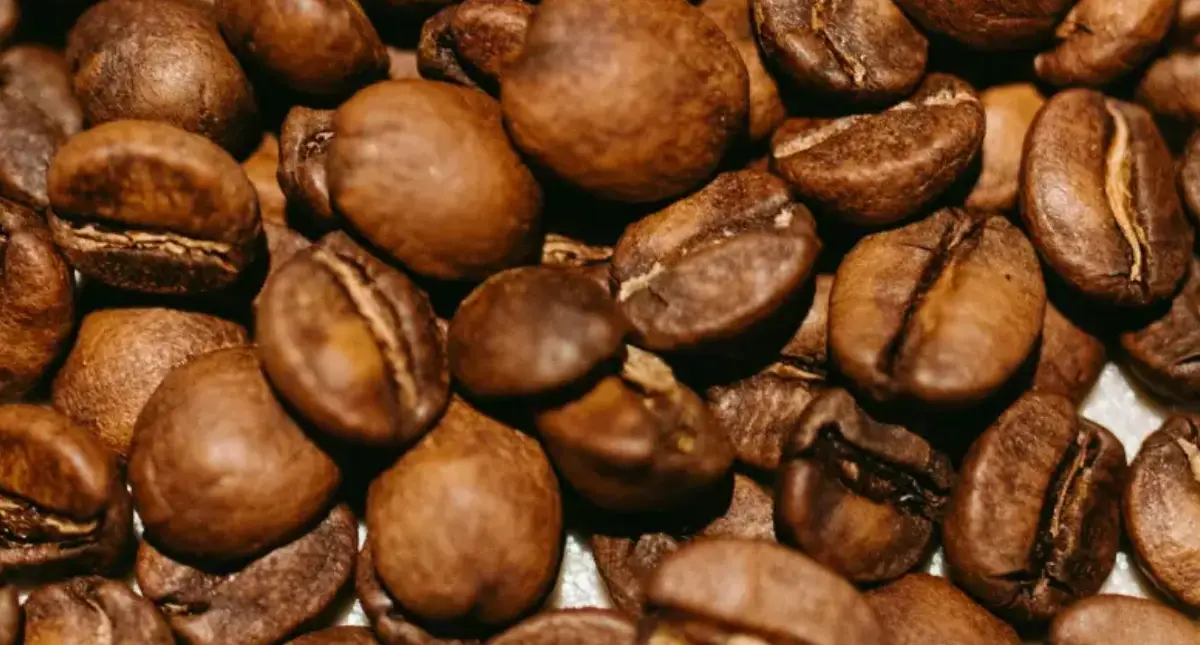
Medium roast coffee beans are an even milk-chocolate to medium brown. The surface is dry and matte. If you see a shiny layer of oil, the roast has moved into medium-dark or dark territory.
What Does Medium Roast Coffee Taste Like?
Medium roast coffee tastes balanced and smooth. The dominant notes are caramel, milk chocolate, toasted nuts and brown sugar, with a gentle fruit or citrus brightness in the background. It is less sharp than a light roast and less bitter than a dark roast.
Flavor Notes by Origin
Medium roasts keep enough origin character that the beans still taste different from region to region:
- Central and South America (Brazil, Colombia, Guatemala): hazelnut, cocoa, caramel and a clean, rounded finish.
- East Africa (Ethiopia, Kenya): stone fruit, berry and tea-like notes, softened by sweetness.
- Asia-Pacific (Sumatra, Papua New Guinea): earthy, spicy and full-bodied.
Acidity and Body
Acidity in medium roast coffee is moderate. You’ll notice some liveliness on the tongue, but it reads as pleasant sweetness rather than sourness. The body is medium too: more substantial than a light roast, but not as heavy or syrupy as a dark roast.
Who Medium Roast Flavor Suits Best
If you find light roasts too sharp or dark roasts too bitter, medium roast is the natural middle ground. It also works well for people who add a splash of milk, because the caramel and chocolate notes blend with it instead of disappearing.
Does Medium Roast Coffee Have More Caffeine?
No. Medium roast coffee has about the same caffeine as light or dark roast. Roasting changes the bean’s weight and density far more than it changes caffeine, so the roast level is a minor factor compared with how you brew.
Why Roast Level Changes Caffeine Only Slightly
Caffeine is quite stable under roasting heat. What changes is the bean itself: it loses moisture and mass and expands as it roasts.
- Measured by weight: a dark roast bean weighs less, so a gram of dark roast can contain slightly more caffeine than a gram of light roast.
- Measured by scoop: darker beans are larger and less dense, so a scoop holds fewer of them. A scoop of light roast can contain slightly more caffeine.
The differences are small, and medium roast lands in between.
What Really Affects Caffeine in Your Cup
- Bean variety: robusta has far more caffeine than arabica.
- Dose: how many grams of coffee you use.
- Brew method and time: longer contact and finer grinds extract more.
- Cup size: a large mug has more than a small cup.
A typical 240 ml (8 fl oz) cup of brewed coffee is commonly cited at around 95 mg of caffeine, but real cups vary widely, so treat any single number as a guide.
Medium Roast vs Light Roast vs Dark Roast
The main difference is how long the beans are roasted. Light roasts highlight the bean’s origin and acidity, dark roasts highlight the roasting itself, and medium roasts sit in between with sweetness and balance.
What’s the Difference Between Medium and Dark Roast?
Medium roast is sweeter, more aromatic and has a dry surface, with caramel and chocolate notes. Dark roast is roasted past second crack, so it tastes smoky and bitter, has lower acidity and often shows oil on the beans.
What’s the Difference Between Medium and Light Roast?
Light roast is stopped soon after first crack, so it is brighter, more acidic and often floral or fruity. Medium roast is developed further, giving it more sweetness, a fuller body and a gentler acidity that most people find easier to drink.
Which Roast Should You Choose?
- Choose medium if you want an all-rounder that works in every brewer and with milk.
- Choose light if you enjoy bright, fruity filter coffee and brew it black.
- Choose dark if you like bold, roasty flavor, or you drink mostly strong milk-based drinks.
Medium Roast Coffee: Pros and Cons
Medium roast coffee suits most drinkers and most brewers, but no roast is perfect for everyone. Here is the balanced view.
Pros
- ✔ Balanced sweetness, acidity and body
- ✔ Works in drip, pour-over, French press, moka pot, AeroPress and espresso
- ✔ Forgiving to brew, which helps beginners
- ✔ Keeps some origin character without sharp sourness
- ✔ Easy to find in supermarkets and from specialty roasters
Cons
- ✘ Can feel “in the middle” if you want fruity brightness or bold roastiness
- ✘ Roast labels are inconsistent between brands
- ✘ Mass-market medium roasts can taste flat when the beans are old
Who Medium Roast Coffee Is Best For
- Beginners who are still finding their taste
- Home brewers who use more than one method
- Drinkers who add a little milk but still want to taste the coffee
- Anyone shopping for a dependable everyday bag
Who May Prefer a Different Roast
If you love bright, floral filter coffee, look at light roasts. If you want a heavy, smoky cup or a very strong flat white, a medium-dark or dark roast may suit you better.
How to Brew Medium Roast Coffee
Medium roast coffee brews well almost anywhere. Use fresh beans, grind just before brewing and start with the settings below, then adjust to taste. The ratios are widely used starting points rather than strict rules.
Best Brewing Methods for Medium Roast Coffee
| Method | Grind size | Coffee-to-water ratio | Water temperature | Brew time |
|---|---|---|---|---|
| Drip machine | Medium | 1:16 (about 60 g per litre) | Set by machine (92–96°C) | 5–6 minutes |
| Pour-over | Medium to medium-fine | 1:16 | 92–96°C (198–205°F) | 2:30–3:30 |
| French press | Coarse | 1:15 | 93–96°C | 4 minutes |
| AeroPress | Medium-fine | 1:14 | 90–95°C | 1.5–2 minutes |
| Moka pot | Fine-medium (finer than drip, coarser than espresso) | Set by pot size | Pre-heated water in base | 4–5 minutes |
| Espresso machine | Fine | 1:2 (for example 18 g in, 36 g out) | 92–96°C | 25–30 seconds |
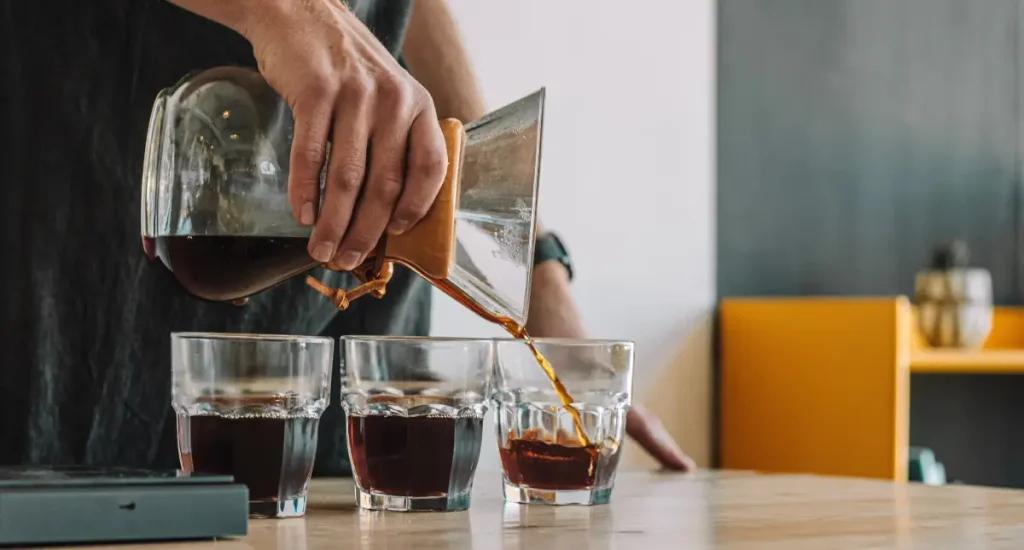
Step-by-Step: Brew Medium Roast Coffee with a Pour-Over or Drip Method
- Weigh your coffee. Use about 60 g of whole beans per litre of water, or 15 g for a 250 ml cup. A scale gives far more consistent results than scoops.
- Grind fresh. Aim for a medium grind that feels like coarse sand. A burr grinder produces a more even grind than a blade grinder.
- Heat the water. Bring it to the boil and let it rest for 30 seconds so it sits near 92–96°C.
- Rinse the filter and preheat your mug. This removes paper taste and keeps the coffee hot.
- Bloom the grounds. Pour roughly twice the coffee’s weight in water, wait 30 seconds and let the gases escape.
- Pour in slow circles. Add the rest of the water gradually, finishing at around 3 minutes total.
- Taste and adjust. Sour means grind finer or brew longer. Bitter means grind coarser or brew shorter.
☕ Frothy Fusion Tip: Change only one variable at a time, such as grind size, when you adjust a brew. It makes it much easier to tell what improved the cup.
Medium Roast Coffee for Espresso and Milk Drinks
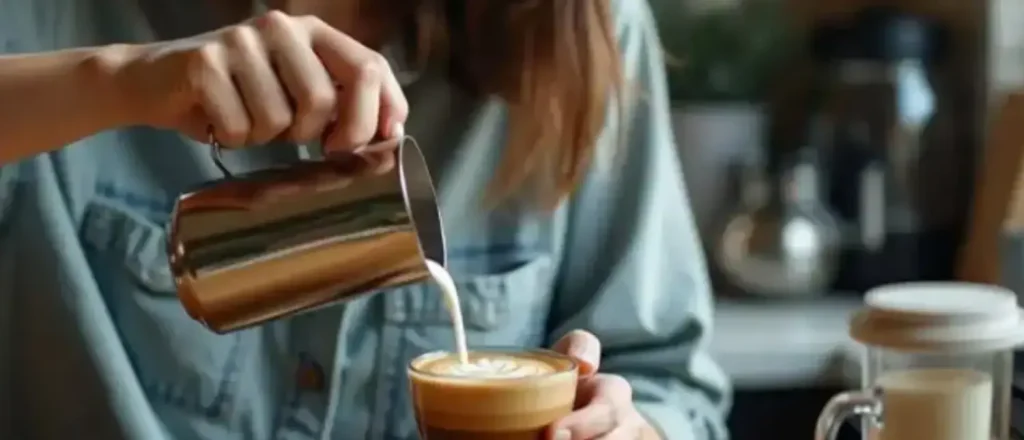
Medium roast works well for espresso because it extracts sweetly without the harsh bitterness that can come from very dark beans. It pulls with good crema and balances milk in lattes, flat whites and cappuccinos. Many people use medium-dark for strong milk drinks, but a medium roast keeps more sweetness and clarity.
Start with an 18 g dose and aim for a 36 g shot in 25–30 seconds, then dial in the grind from there.
Medium Roast Coffee in Nespresso and Capsule Machines
Nespresso machines and compatible capsules usually list an intensity number or flavor description rather than a roast level. If you want something close to medium roast, look for capsules described as balanced, smooth or medium roast, and avoid ones labelled intense or dark.
How to Buy and Store Medium Roast Coffee Beans
The best medium roast coffee beans are fresh, whole and roasted by someone who prints the roast date on the bag. Check these points before you buy.
What to Look for When Buying
- Roast date: choose a bag roasted within the last few weeks, not just a “best before” date.
- Whole beans: they stay fresher than pre-ground coffee and let you tune the grind to your brewer.
- Origin and flavor notes: single origins show off the bean’s character, while blends aim for a consistent, balanced cup.
- Packaging: an airtight bag with a one-way valve helps protect freshness.
- Bag size: buy an amount you can finish in 3 to 4 weeks.
- Budget: a fresh bag from a specialty roaster often costs more than supermarket coffee, but tastes noticeably better.
- Roaster reputation: look for roasters who share origin, process and roast details openly.
How to Store Medium Roast Coffee
- Keep beans in an airtight container away from light, heat and moisture.
- Store them at room temperature in a cupboard, not next to the oven or in the fridge.
- Grind only what you need for each brew.
- Aim to use the beans within about 4 to 6 weeks of the roast date for the best flavor.
Expert Tips and Common Mistakes
☕ Frothy Fusion Tip: If your medium roast tastes flat, check the roast date before you blame the brewer. Beans that are more than two months old lose much of their sweetness and aroma.
☕ Frothy Fusion Tip: Rinse your paper filter and preheat your mug. It is a small step that keeps the coffee hotter and cleaner tasting.
👉 Want to compare all roasts side by side? Read Coffee Roasts Explained: Light, Medium, Dark
Common Mistakes with Medium Roast Coffee
- ❌ Using stale or pre-ground beans
- ❌ Grinding too coarse for the brew method, which gives sour, weak coffee
- ❌ Using boiling water straight from the kettle, which can cause bitterness
- ❌ Guessing the dose instead of weighing it
- ❌ Storing beans in the fridge or freezer and opening them daily
- ❌ Skipping regular cleaning of the grinder and brewer
Medium Roast Coffee FAQs
Is medium roast coffee stronger than dark roast?
Not in caffeine. Medium and dark roasts contain very similar amounts, and dark roast tastes bolder mainly because of its smoky, roasty flavor. Strength in the cup depends on how much coffee you use for the water. A medium roast brewed with a higher dose can taste stronger than a weakly brewed dark roast.
Does medium roast have more caffeine than light or dark roast?
No. Roasting changes bean weight and size more than caffeine, so the differences are small. Light roast can have slightly more caffeine per scoop, while dark roast can have slightly more per gram. Medium sits between them. Bean type, dose, grind and brew time have a bigger effect than roast level.
Is medium roast coffee less acidic than light roast?
Usually, yes. Longer roasting reduces the bright, sharp acidity you taste in light roasts, so medium roast coffee feels smoother. This is about flavor, not stomach comfort, which varies by person. If coffee upsets your stomach, try a darker roast, a coarser grind, cold brew or a smaller serving.
What is the best way to brew medium roast coffee?
There is no single best method because medium roast is so versatile. Pour-over and drip machines highlight sweetness and clarity, French press adds body, and espresso or moka pot make a richer, more intense cup. Choose the method you will use consistently and focus on fresh beans, weighed doses and good water.
Is medium roast coffee good for espresso?
Yes. Medium roast espresso is sweeter and less bitter than very dark espresso, and it still produces good crema when the beans are fresh. It also works well in milk drinks. Some espresso drinkers prefer medium-dark roasts for extra body, so try both and pick the one you enjoy most.
Is breakfast blend a medium roast?
Often, but not always. “Breakfast blend” is a marketing name rather than a roast standard. Many brands use it for a light-to-medium blend that is smooth and mild, but others use it differently. Check the roaster’s description, roast date and flavor notes to confirm what you are buying.
Is medium roast coffee healthier than dark roast?
There is no clear winner. All roast levels contain beneficial plant compounds, and the balance changes as beans are roasted longer. Research is mixed, and brewing method and what you add to your cup, such as sugar and cream, matter more. If you have a health condition, ask your doctor about coffee.
How long does medium roast coffee stay fresh?
Whole medium roast beans taste best within about 4 to 6 weeks of the roast date when stored airtight in a cool, dark place. They are usually still drinkable after that but lose aroma and sweetness. Ground coffee goes stale much faster, often within a week or two.
Final Verdict: Is Medium Roast Coffee Right for You?
Medium roast coffee is the safest and most versatile choice for most home brewers. It delivers caramel sweetness, gentle acidity and a smooth body, it forgives small brewing mistakes, and it works in everything from a drip machine to an espresso setup.
- Who it’s for: beginners, multi-method brewers, and anyone who wants a balanced everyday cup.
- Who should look elsewhere: drinkers who want bright, fruity filter coffee (try a light roast) or heavy, smoky intensity (try a dark roast).
- Best alternatives: light roast for clarity, medium-dark for stronger milk drinks, and decaf medium roast for evening cups.
A note on sources: this guide is based on published roasting and brewing guidelines and general industry knowledge, not laboratory testing. Taste is personal, so treat the settings here as starting points and adjust to your own palate.
Your Next Step
Pick up a fresh bag of medium roast coffee, weigh your dose and brew it two ways, such as pour-over and French press, to see which you prefer. Then keep exploring: read our light roast guide to compare, learn more brewing techniques, or browse coffee recipes to use your beans in lattes and more.
🔗 Related Reads
- Best Espresso Machines for Beginners – Make balanced espresso at home.
- French Press Brewing Guide – Unlock rich, full-bodied medium roast flavors.
- Beginner Coffee Beans: Easy Picks – Smooth, balanced beans to start with.
- Light Roast Coffee: Flavor, Brewing & Best Beans