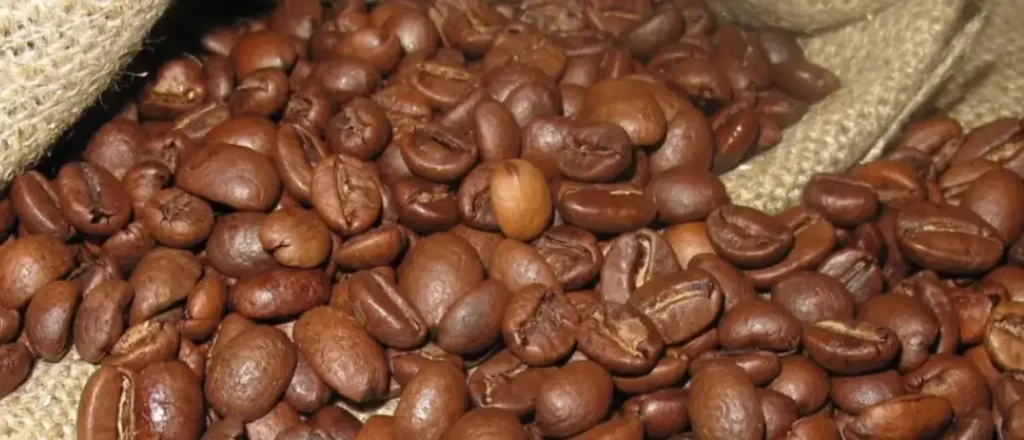
Light roast coffee has a reputation for tasting sour, weak or fussy, yet it is the style many specialty roasters are proudest of. It is simply coffee roasted for less time, stopped around the first crack, so more of the bean’s natural fruit, floral and sweet character survives into your cup.
- Quick Answer
- Key Takeaways
- Light vs Medium vs Dark Roast at a Glance
- What Is Light Roast Coffee?
- What Does Light Roast Coffee Taste Like?
- Does Light Roast Coffee Have More Caffeine?
- Light Roast Coffee: Pros, Cons and Who It's Best For
- How to Brew Light Roast Coffee at Home
- Common Light Roast Mistakes to Avoid
- How to Choose Light Roast Coffee Beans
- Light Roast Coffee FAQs
- Is light roast coffee stronger than dark roast?
- Does light roast have more caffeine?
- Why does my light roast taste sour?
- What is the best way to brew light roast coffee?
- Can you use light roast for espresso?
- Is light roast coffee less bitter?
- What is the difference between light roast and blonde roast?
- How long does light roast coffee stay fresh?
- Final Verdict: Is Light Roast Coffee Worth Trying?
- ✅ Wrap-Up
- ❓ FAQs
- 🔗 Related Reads
This guide explains what light roast coffee is, how it tastes, whether it really has more caffeine, and how to brew it so it comes out bright instead of sour.
Quick Answer
Light roast coffee is coffee roasted to roughly 195–205°C (385–400°F), stopping at or just after first crack. It tastes brighter, more acidic and more fruity or floral than darker roasts, with a lighter body and a dry, oil-free surface. Its caffeine is nearly identical to dark roast by weight, though a scoop of light roast holds slightly more.
Key Takeaways
- What it is: beans roasted for the shortest time, stopped at or just after first crack, so origin flavors stay front and centre.
- How it tastes: bright, acidic and tea-like, often with citrus, berry or floral notes, and little of the smoky or chocolatey flavor that comes from darker roasting.
- Caffeine: roast level changes caffeine very little. Weigh your coffee and the difference all but disappears.
- How to brew it: hotter water (92–96°C), a slightly finer grind and a scale. Most sour cups are under-extracted, not bad beans.
- Best methods: pour-over, filter and AeroPress. Espresso works but is less forgiving.
- What to buy: whole beans with a roast date, a named origin and tasting notes from the roaster.
Light vs Medium vs Dark Roast at a Glance
Roast names and temperatures vary between roasters and equipment, so treat the figures below as typical ranges, not strict rules.
| Light roast | Medium roast | Dark roast | |
|---|---|---|---|
| Typical roast range | 195–205°C (385–400°F) | 210–224°C (410–435°F) | 225–240°C (435–465°F) |
| Roasted until | Around first crack | Past first crack, before second | At or past second crack |
| Bean surface | Dry, matte, light brown | Dry to slightly sheened | Dark, often oily |
| Flavour | Fruity, floral, tea-like | Balanced, nutty, caramel | Smoky, bittersweet, chocolatey |
| Acidity | High | Medium | Low |
| Body | Light | Medium | Full |
| Caffeine (by weight) | Almost identical across roast levels | Almost identical | Almost identical |
| Best brewing methods | Pour-over, filter, AeroPress | Drip, French press, espresso | Espresso, moka pot, milk drinks |
What Is Light Roast Coffee?
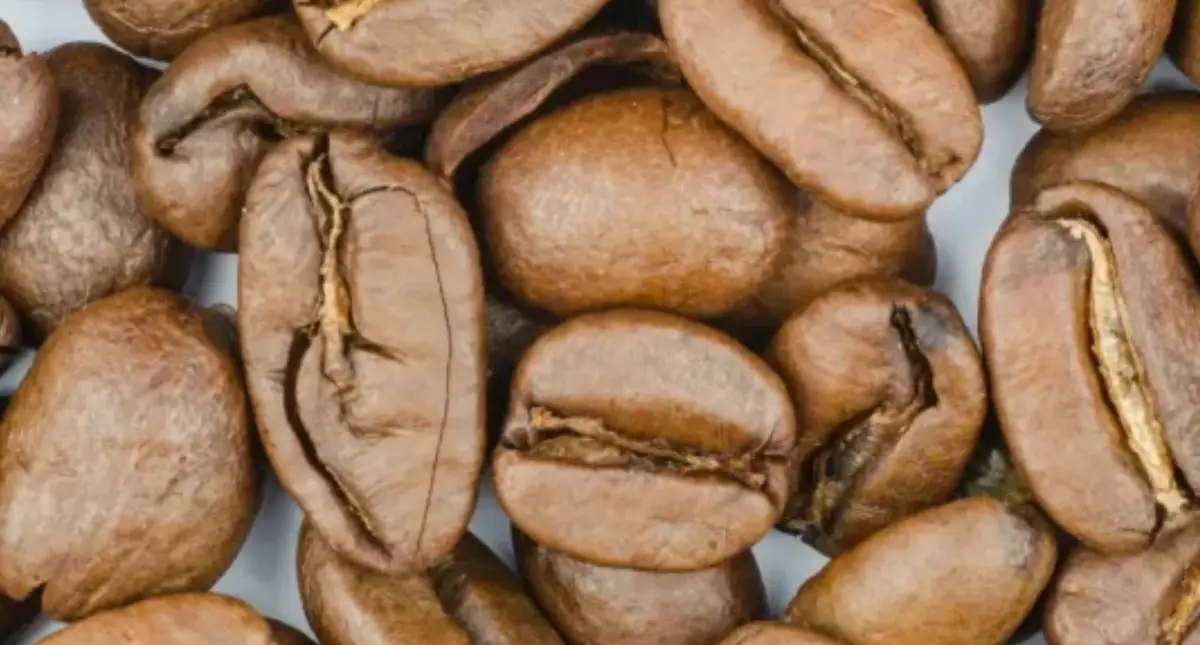
Light roast coffee is coffee roasted for a short time at a lower final temperature than medium or dark roasts. The roaster stops the process at or just after first crack, the audible pop when moisture and gas expand inside the bean. The result is a light brown, dry-surfaced bean that keeps more of its original flavour.
How Light Roast Coffee Is Made
Green coffee beans taste grassy and have little aroma. As they heat, they dry out, turn yellow, then brown as sugars and amino acids react.
First crack arrives at a bean temperature of roughly 196°C (385°F), and a light roast is dropped from the roaster at or shortly after that point. Medium roasts continue developing after first crack, and dark roasts run on towards second crack.
Because the beans spend less time in the heat, they lose less moisture and stay denser and harder than darker roasts. That density matters later, when you grind and brew them.
Other Names for Light Roast
There is no universal standard for roast names, and roasters use them loosely. Common labels for the light end of the range include:
- Cinnamon roast, usually the lightest, pulled around the start of first crack
- New England roast
- Half City and Light City
- Blonde roast, a term popularised by large coffee chains for a mild, lighter-bodied cup
When in doubt, check the roaster’s own description of flavour and brewing method, which tells you more than the roast name.
What Light Roast Beans Look Like
Light roast beans are light to medium brown with a matte, dry surface. You will not see the shiny oils common on dark roasts, because those oils only reach the surface later in the roast. Roasters measure colour with reflectance tools such as the Agtron scale, where lighter roasts score higher.
What Does Light Roast Coffee Taste Like?
Light roast coffee tastes bright, clean and lightly sweet, with a tea-like body. Because less roasting flavour is layered on top, you taste more of where the beans were grown: the fruit, florals and sweetness of the coffee itself.
Flavour
Typical notes include citrus, berries, stone fruit, honey, jasmine and black tea. An Ethiopian light roast might lean floral and lemony, while a Kenyan coffee often tastes of blackcurrant and tomato-like brightness.
The smoky, toasty, dark chocolate flavours people associate with “strong” coffee come from deeper roasting, so they are largely absent here.
Acidity: Bright, Not Sour
Acidity in coffee is a flavour quality, similar to the crispness of a green apple or a glass of white wine. Good light roast acidity feels lively and sweet. Sourness is different: it tastes sharp, thin and sometimes salty, and it usually signals a brewing fault.
Body and Aroma
Light roasts feel lighter on the tongue than darker coffees, closer to tea than to syrup. Aromas lean floral, fruity or sugary instead of roasty.
Why Light Roast Sometimes Tastes Sour or Grassy
There are two main causes:
- Under-extraction. Dense light roast beans need hot water, enough contact time and a fine enough grind. If the brew is too cool, too coarse or too quick, you pull the sharp acids first and leave the sweetness behind.
- Underdeveloped roasting. If a roaster stops too early, the beans can taste grassy or bready however well you brew them. Buying from a roaster you trust avoids this.
Does Light Roast Coffee Have More Caffeine?
Barely. Caffeine survives roasting almost intact, so roast level has little effect on how much is in the bean. By weight, light and dark roasts are very close. By scoop, light roast contains slightly more, because its denser beans pack more coffee into the same space.
| How you measure | What happens |
|---|---|
| By weight (on a scale) | Light and dark roasts are virtually equal |
| By volume (scoop) | Light roast gets slightly more caffeine, since dark beans are lighter and larger |
Studies and roaster reports disagree on which roast edges ahead by weight, and the gap is small enough that it should not decide your choice.
What Matters More Than Roast Level
- Bean species. Robusta beans contain much more caffeine than arabica, and most specialty light roasts are arabica.
- Brew method and ratio. A concentrated brew or a larger dose delivers more caffeine than a weak one.
- How you measure. Weighing your dose gives a consistent caffeine amount whatever the roast.
☕ Frothy Fusion Tip: If you switch from dark to light roast and keep using the same scoop, you may get a slightly stronger cup. Switch to a scale and dial in by weight instead.
Light Roast Coffee: Pros, Cons and Who It’s Best For
Pros
- ✔ Shows off the origin, variety and processing of the coffee
- ✔ Bright, fruity, tea-like flavors that stand out in black coffee
- ✔ Less roasty bitterness than darker roasts
- ✔ Dry beans leave no oily residue on your grinder
- ✔ Rewards good brewing technique with real flavor clarity
Cons
- ✘ Less forgiving: it can turn sour if the brew is cool, coarse or short
- ✘ Dense beans are harder on cheap grinders and need a fine, even grind
- ✘ Lacks the bold, smoky, chocolatey profile some drinkers expect
- ✘ The acidity can clash with milk in some drinks
- ✘ Specialty bags often cost more than supermarket blends
Who Light Roast Is Best For
- Black coffee drinkers who enjoy fruity, floral, tea-like cups
- Pour-over, filter and AeroPress brewers
- Anyone curious about single-origin coffee and how regions taste different
- Home brewers who own a scale and a decent burr grinder
Who May Prefer Something Else
- Drinkers who want a bold, smoky cup, who are better served by a medium-dark roast
- Milk-heavy drinkers, who often find medium roasts blend into lattes more smoothly
- Anyone brewing with a blade grinder or a very cool water source, where light roast is hardest to get right
How to Brew Light Roast Coffee at Home
To brew light roast coffee well, use hot water (92–96°C), a medium-fine grind, a scale and enough contact time to extract the sweetness. Dense light roast beans resist extraction, so recipes that suit dark roasts often leave light roasts tasting thin and sour.
Editorial note: the numbers below are starting points drawn from published brewing guidance, not results from our own tasting tests. Adjust them to your beans and your palate.
Step-by-Step Pour-Over Method
- Start with fresh whole beans. Many roasters suggest resting light roasts for a week or two after roasting, then using them within about a month.
- Weigh your coffee and water. Begin at about 1:16, for example 20 g of coffee to 320 g of water. The Specialty Coffee Association’s classic Golden Cup guidance is closer to 1:18, so go to 1:17 or 1:18 for a lighter cup or 1:15 for a stronger one.
- Grind medium-fine. Aim for slightly finer than you would use for a dark roast, with a consistent particle size from a burr grinder.
- Use hot water. The SCA’s brewing handbook cites 92–96°C for proper extraction, as described in this Scientific Reports paper. For light roasts, aim for the upper end, around 94–96°C (201–205°F).
- Bloom for 30–45 seconds. Wet the grounds with about twice their weight in water so trapped gas can escape and the bed extracts evenly.
- Pour in stages. Add the rest of the water in slow circles. A total brew time of roughly 2:30 to 3:30 suits most pour-over setups.
- Taste and adjust one thing at a time. Use the table below to fix the cup.
Fixing the Taste
| If it tastes… | Likely cause | Try |
|---|---|---|
| Sour, sharp or salty | Under-extracted | Grind finer, use hotter water, extend the brew |
| Hollow, thin or watery | Too weak or under-extracted | Use more coffee, or grind finer |
| Bitter or dry | Over-extracted | Grind slightly coarser, lower the temperature a little |
| Flat or dull | Stale beans | Check the roast date and buy fresher |
Best Brew Methods for Light Roast
- Pour-over (V60, Kalita, Chemex): the classic choice for clarity and brightness.
- AeroPress: forgiving, and easy to push extraction with a finer grind and longer steep.
- Batch or drip brewers: work well if the machine reaches proper brew temperature.
- French press: gives a fuller body, though less clarity.
- Cold brew: brings out sweetness and softens acidity.
Can You Use Light Roast for Espresso?
Yes, but it is harder. Light roast espresso needs a finer grind, hot water and often a longer ratio than a classic dark-roast shot, because dense beans resist extraction. Many baristas start with a ratio of around 1:2.5 to 1:3 and adjust by taste. Expect a brighter, more acidic shot with thinner crema than a dark roast.
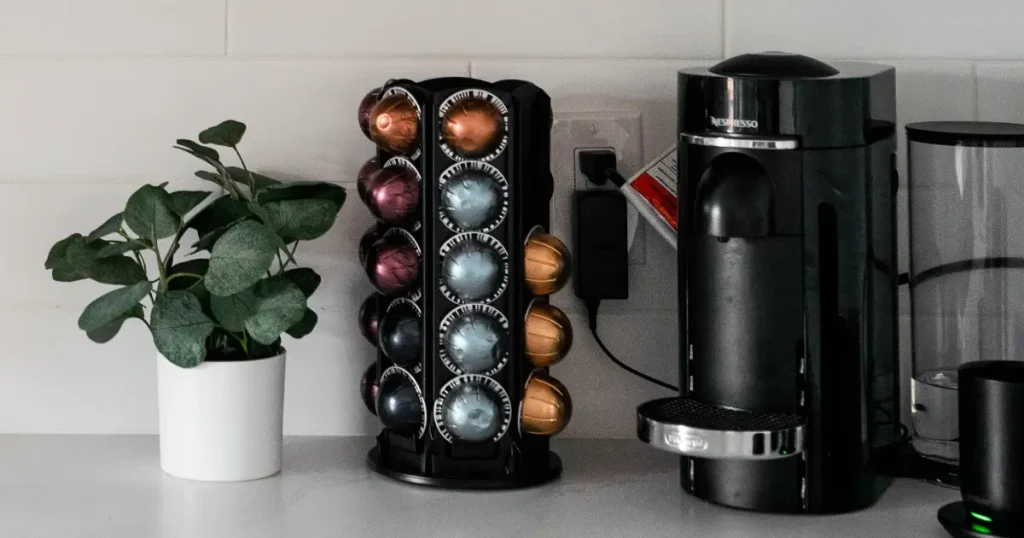
Light Roast in Nespresso and Capsule Machines
Capsule machines give you no control over grind size or water temperature, so the brightness of the cup depends on the capsule.
Nespresso labels capsules by an intensity scale rather than a roast name, so check the tasting notes and intensity number, not just the word “light”. Lower-intensity capsules with fruity or floral notes are the closest match.
What About Milk?
Light roast can work in a flat white or a latte, but its acidity and fruitiness are easier to lose in a lot of milk. If you like milk drinks, try a smaller drink, such as a cortado, or a roast labelled medium-light.
Common Light Roast Mistakes to Avoid
Avoid
❌ Brewing with water that is too cool or off the boil for too long
❌ Grinding too coarse, then blaming the beans for a sour cup
❌ Measuring by scoop instead of weighing your coffee
❌ Brewing straight after roasting, before the beans have rested
❌ Using stale beans with no roast date
❌ Changing three variables at once when dialling in
☕ Frothy Fusion Tip: Rinse your paper filter with hot water and preheat your server and cup. It removes papery flavor and keeps the brew temperature up, which matters more with dense light roasts.
☕ Frothy Fusion Tip: Keep a simple log of dose, grind setting, water temperature, time and taste. Two or three notes per brew will get a new bag dialled in much faster.
How to Choose Light Roast Coffee Beans
Good light roast coffee beans come from a roaster that tells you the roast date, the origin and what the coffee should taste like. Use this checklist when you shop.
👉 For a full overview of all roast types, check out Coffee Roasts Explained: Light, Medium, Dark
| What to check | Why it matters | What to look for |
|---|---|---|
| Roast date | Freshness drives flavour | A roast date on the bag, ideally within the last few weeks |
| Origin and process | Sets the flavour profile | Single origin with the country, region and process named |
| Tasting notes | Predicts the cup | Specific notes such as citrus, jasmine or berry, not just “smooth” |
| Roaster reputation | Avoids underdeveloped, grassy roasts | Specialty roasters who publish brew recipes |
| Whole bean vs ground | Ground coffee goes stale quickly | Whole beans, ground at home |
| Bag size and budget | Fresh beans beat bulk | 250 g bags you will finish within a few weeks |
Choosing an Origin
Washed coffees tend to taste cleaner and brighter, while natural-processed coffees tend to taste fruitier and sweeter. For a gentle first light roast, many people start with a Brazilian or Colombian coffee. Ethiopian and Kenyan coffees usually show more floral and fruity brightness.
Do You Need a Better Grinder?
Probably, if you are serious about light roast. A burr grinder gives a more even grind than a blade grinder, and even particle size is what lets dense beans extract evenly. A hand grinder is a good low-cost way to start.
☕ Frothy Fusion Tip: Buy a small bag first. Light roasts vary a lot between origins, so trying a few different 250 g bags will teach you more about your taste than one large bag.
Light Roast Coffee FAQs
Is light roast coffee stronger than dark roast?
Not in caffeine. Light and dark roasts contain nearly the same caffeine by weight, and light roast has slightly more by scoop. Dark roast tastes bolder because of its smoky, bittersweet roasting flavours, which can feel “stronger” even though it is not. Strength in the cup depends mostly on how much coffee you use relative to water, so measure by weight to compare fairly.
Does light roast have more caffeine?
Only slightly, and only if you measure by scoop. Roasting barely changes caffeine, but light roast beans are denser, so a scoop holds more coffee. By weight the two are virtually equal. Bean species and brew strength matter far more, since robusta contains much more caffeine than arabica and a concentrated brew delivers more than a weak one.
Why does my light roast taste sour?
Usually under-extraction. Light roast beans are dense and need hot water, a fine enough grind and enough contact time to release their sweetness. Try grinding finer, raising the water temperature to 94–96°C or extending the brew by a few seconds. If it stays grassy or sharp whatever you do, the beans may be underdeveloped or stale, so check the roast date.
What is the best way to brew light roast coffee?
Pour-over, AeroPress and a good filter brewer all suit light roast, because they let you control temperature, grind and time. Use a scale, about 1:16 coffee to water, a medium-fine grind and water at 94–96°C. Rinse the filter, bloom the grounds for 30–45 seconds, then taste and change one variable at a time.
Can you use light roast for espresso?
Yes, though it needs more care than a dark roast. Use a finer grind, hot water and often a longer ratio, such as 1:2.5 to 1:3, to extract the sweetness. Expect a brighter, more acidic shot with less crema. If your machine offers little control over temperature and pressure, a medium-light roast is usually easier to get right.
Is light roast coffee less bitter?
Generally yes, because it carries less of the roasty bitterness that develops in darker roasts. It can still taste bitter if over-extracted, with water that is too hot, a grind that is too fine or a brew that runs too long. A well-brewed light roast tastes bright and lightly sweet, not bitter.
What is the difference between light roast and blonde roast?
The two terms overlap. “Blonde roast” is a marketing label popularised by coffee chains for a mild, light-bodied roast, while “light roast” is the broader industry term for beans roasted to around first crack. Names are not standardised, so check the roaster’s flavour notes or brew guidance to see how light a coffee really is.
How long does light roast coffee stay fresh?
Whole bean light roast tastes best within roughly a month of the roast date, and many roasters suggest letting it rest for a week or two first. Store beans in an airtight container away from heat, light and moisture, and grind just before brewing. Ground coffee loses flavour much faster, within days.
Final Verdict: Is Light Roast Coffee Worth Trying?
Light roast coffee is worth trying if you want to taste what a coffee origin really offers. It is bright, fruity and tea-like, it has about the same caffeine as any other roast, and it rewards a little care: hot water, a scale and a decent grinder.
- Who it’s for: black coffee drinkers, pour-over and AeroPress fans, and anyone curious about single-origin coffee.
- Who should avoid it: drinkers who want a bold, smoky cup or who mostly make milky drinks with limited brewing control.
- Best alternatives: a medium roast for balance and sweetness, or a medium-dark roast for body and chocolatey depth.
If your first cup tastes sour, don’t give up on light roast coffee. Adjust one variable at a time, starting with a finer grind and hotter water, and the sweetness usually appears.
Next step: put what you’ve learned to work with our guides to brewing better coffee at home, linked below.
✅ Wrap-Up
Medium roast is the all-rounder—smooth, versatile, and approachable for anyone. It’s the roast to try if you want a classic, balanced cup that works with any brew method.
Keep exploring:
❓ FAQs
What does the coffee taste like?
Bright, fruity, floral, with crisp acidity and light body.
Does the coffee have more caffeine?
Not really—by weight it’s nearly the same as darker roasts. By scoop, it can be slightly higher.
Is light roast coffee less bitter?
Yes. Shorter roast times mean less bitterness than medium or dark roasts.
What brewing method is best ?
Pour-over or drip brewing highlight its delicate notes.
Why do people choose this roast?
It showcases the bean’s natural origin flavors.
🔗 Related Reads
- Best Coffee Grinders for Pour-Over – Get the perfect grind to bring out the brightness in light roast beans.
- Pour-Over Brewing Guide – Step-by-step brewing tips for clean, crisp coffee.
- Single-Origin Coffee Explained – Why light roasts highlight bean origins best.