Step-by-Step Guide for Home Baristas
Pulling the perfect espresso shot at home can feel intimidating at first.
One shot tastes bitter, the next tastes sour, and suddenly you’re adjusting grinders like a scientist before your morning coffee 😅
- Step-by-Step Guide for Home Baristas
- ☕ Quick Summary
- What Is the Perfect Espresso Shot?
- Step-by-Step: How to Pull the Perfect Espresso Shot
- Ideal Starting Recipe
- Common Espresso Mistakes ☕
- Espresso Shot Troubleshooting Table
- Pros and Cons of Making Espresso at Home
- Who This Guide Is Best For
- Alternatives to Traditional Espresso Brewing
- ☕ Verdict Box
- Frequently Asked Questions
- You May Also Like ☕✨
- Final Thoughts
The good news? Espresso is incredibly repeatable once you understand the basics.
In this guide, you’ll learn exactly how to make a balanced espresso shot step by step — including grind size, dosing, tamping, extraction timing, and common mistakes to avoid.
Whether you’re brand new to espresso or trying to improve consistency, this guide will help you brew café-quality coffee at home.
☕ Quick Summary
| Step | What Matters Most |
|---|---|
| Fresh Beans | Use freshly roasted espresso beans |
| Grind Size | Fine and consistent |
| Dose | Usually 18–20g for a double shot |
| Tamp | Firm and level |
| Brew Time | Aim for 25–30 seconds |
| Yield | Around 36–40g espresso output |
| Taste Goal | Balanced sweetness, body, and acidity |
What Is the Perfect Espresso Shot?

A perfect espresso shot is a balanced coffee extraction that delivers:
- Sweetness
- Rich crema
- Smooth body
- Pleasant acidity
- Minimal bitterness
Most modern home baristas aim for a 1:2 brew ratio, meaning:
- 18g coffee in
- 36g espresso out
Usually extracted in around 25–30 seconds.
Brew Ratio=1:2
This creates a balanced starting point that works well for most espresso blends.
Step-by-Step: How to Pull the Perfect Espresso Shot
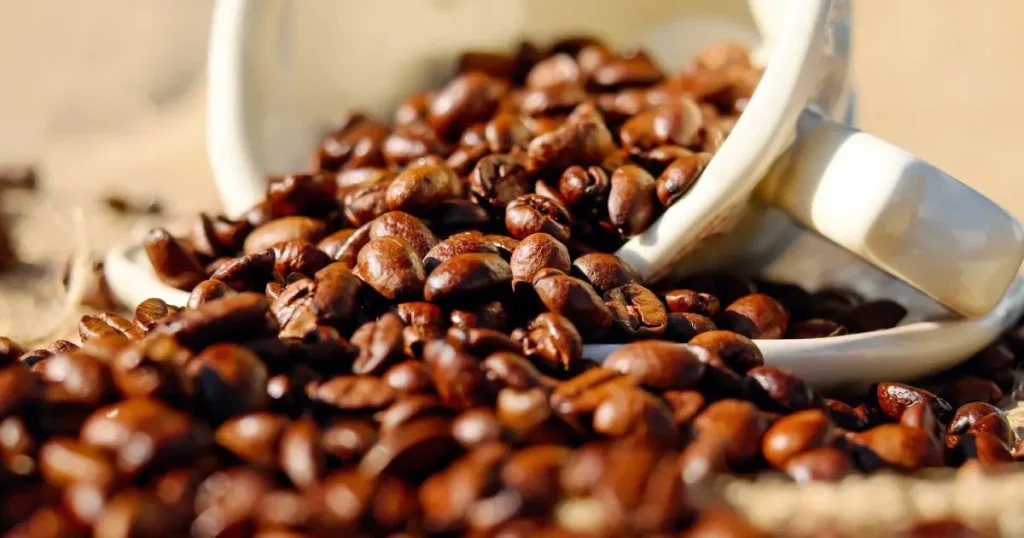
1. Start With Fresh Coffee Beans
Fresh beans make a massive difference ☕
Look for:
- Beans roasted within the last 2–4 weeks
- Espresso roast or medium-dark roast profiles
- Whole beans instead of pre-ground coffee
Fresh coffee produces:
- Better crema
- More sweetness
- Stronger aroma
- Improved extraction consistency
If you’re unsure where to begin, check out our guide to the best espresso coffee beans for beginners.
2. Use a Quality Espresso Grinder
Your grinder matters almost as much as your espresso machine.
Espresso requires:
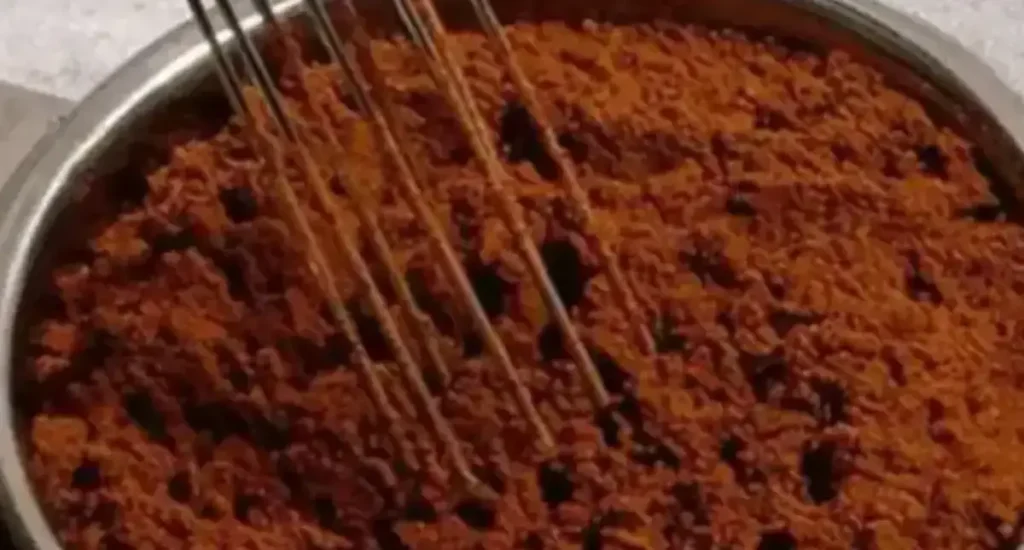
- Very fine grind size
- Uniform particles
- Precise adjustments
Blade grinders usually create inconsistent results, while burr grinders give much better extraction control.
If you’re still choosing equipment, read our guide on choosing the right espresso grinder for home use.
3. Dial In Your Grind Size
Grind size controls extraction speed.
Signs Your Grind Is Too Fine
- Espresso drips slowly
- Shot tastes bitter
- Extraction exceeds 35 seconds
Signs Your Grind Is Too Coarse
- Espresso gushes quickly
- Thin crema
- Sour or weak taste
The goal is a steady, honey-like flow.
4. Weigh Your Coffee Dose
Consistency is everything in espresso brewing.
A digital coffee scale helps you:
- Repeat successful shots
- Improve accuracy
- Troubleshoot extraction problems
Most double shots use:
| Basket Type | Coffee Dose |
|---|---|
| Single Basket | 8–10g |
| Double Basket | 18–20g |
| Triple Basket | 20–22g |
For beginners, 18g is an excellent starting point.
5. Distribute the Grounds Evenly
Uneven coffee grounds can cause channeling.
Channeling happens when water finds weak spots in the coffee puck, creating uneven extraction.
To improve consistency:
- Tap the portafilter gently
- Use a distribution tool
- Try a WDT tool for fluffy grounds
Many home baristas now use espresso shot screens and WDT tools for cleaner extractions.
6. Tamp Correctly
Tamping compresses the coffee into an even puck.
Good Tamping Tips
- Keep the tamper level
- Press firmly and evenly
- Avoid twisting aggressively
You don’t need excessive force.
Consistency matters more than strength.
7. Pull the Espresso Shot
Now comes the fun part ☕✨
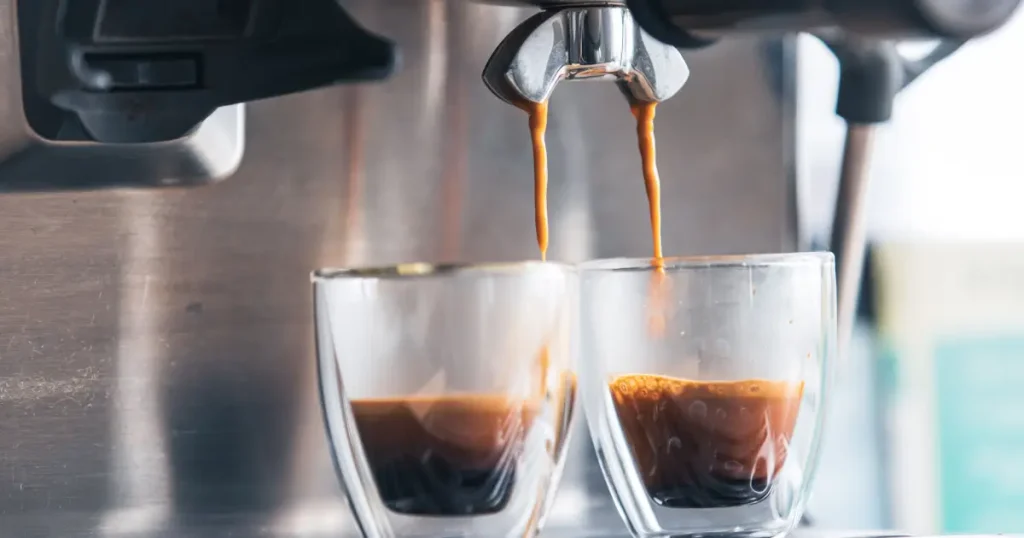
Lock in the portafilter and start extraction immediately.
Watch for:
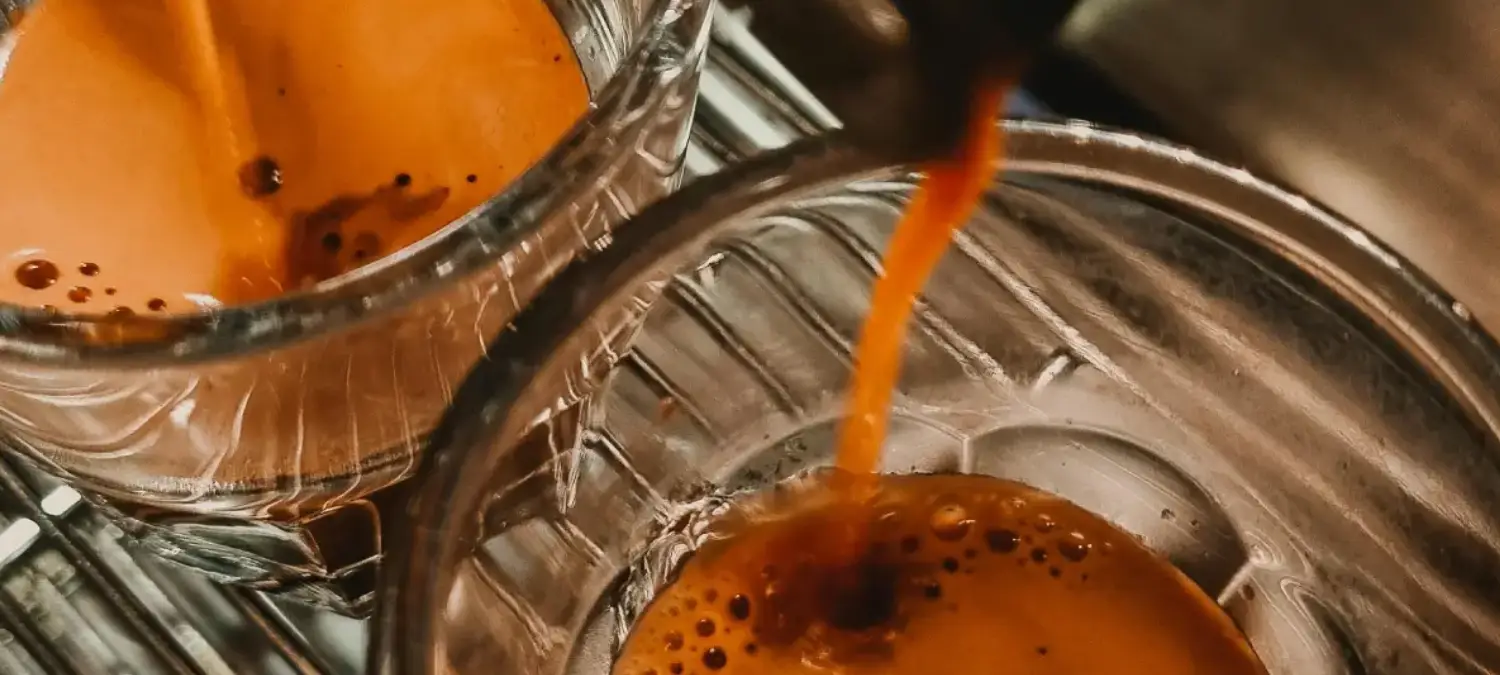
- Slow syrupy flow
- Rich caramel color
- Thick crema formation
Ideal Starting Recipe
| Input | Output | Time |
|---|---|---|
| 18g coffee | 36g espresso | 25–30 sec |
18g coffee→36g espresso in 25-30 seconds
8. Taste and Adjust
Espresso is all about small adjustments.
If Espresso Tastes Sour
- Grind finer
- Increase extraction time
If Espresso Tastes Bitter
- Grind coarser
- Reduce extraction time
If Espresso Feels Weak
- Increase dose slightly
- Check freshness of beans
Common Espresso Mistakes ☕
Using Stale Beans
Old beans lose crema and flavor quickly.
Grinding Inconsistently
Cheap grinders create uneven extraction.
Not Weighing Inputs
Guessing makes consistency difficult.
Bad Water Temperature
Ideal espresso brewing temperature is around 90–96°C.
Waiting Too Long After Grinding
Ground coffee loses aroma fast.
Espresso Shot Troubleshooting Table
| Problem | Likely Cause | Fix |
|---|---|---|
| Sour Espresso | Under extraction | Grind finer |
| Bitter Espresso | Over extraction | Grind coarser |
| Weak Crema | Stale beans | Use fresher coffee |
| Fast Flow | Grind too coarse | Adjust finer |
| Slow Dripping | Grind too fine | Adjust coarser |
Pros and Cons of Making Espresso at Home
✅ Pros
- Better long-term value than café coffee
- Full control over flavor
- Fun learning experience
- Endless drink possibilities
❌ Cons
- Learning curve at first
- Requires quality equipment
- Grinder adjustments take practice
- Can become an expensive hobby 😅
Who This Guide Is Best For
This espresso guide is ideal for:
- Beginner home baristas
- New espresso machine owners
- Coffee lovers improving consistency
- Anyone learning espresso fundamentals
If you mainly enjoy milk drinks, you may also like our guide to cappuccino vs latte vs flat white differences.
Alternatives to Traditional Espresso Brewing
If espresso feels overwhelming at first, there are easier brewing methods worth exploring.
Moka Pot
Strong concentrated coffee with less complexity.
AeroPress
Affordable and beginner-friendly.
Manual Lever Espresso
Hands-on brewing with more control and ritual.
Bean-to-Cup Machines
Convenient automatic espresso systems.
You can also explore:
- Beginner coffee brewing methods
- Home coffee bar setup ideas
- Best budget espresso machines for beginners
☕ Verdict Box
Final Verdict
The perfect espresso shot comes down to consistency more than perfection.
Fresh beans, a quality grinder, accurate dosing, and small grind adjustments make the biggest difference.
Start with an 18g dose, aim for a 1:2 brew ratio, and focus on taste over strict rules.
Once you learn the basics, making café-quality espresso at home becomes far easier — and much more enjoyable ☕✨
Frequently Asked Questions
What is the ideal espresso extraction time?
Most espresso shots extract best between 25–30 seconds.
How much coffee should I use for espresso?
A standard double shot usually uses 18–20g of coffee.
Why does my espresso taste sour?
Sour espresso is usually under extracted.
Try grinding finer or increasing brew time.
Why is my espresso bitter?
Bitterness often means over extraction.
Try grinding slightly coarser.
Do I need an expensive espresso machine?
Not necessarily.
A quality grinder often matters more than the machine itself.
You May Also Like ☕✨
- Best Espresso Grinders for Home Baristas
- Espresso Shot Screen Guide for Beginners
- Best Espresso Coffee Beans for Rich Crema
- How to Build a Home Coffee Bar Setup
- Cappuccino vs Flat White vs Latte Explained
- SCA Brewing Standards
Final Thoughts
Espresso can seem complicated at first, but every great home barista starts with the same basics.
Focus on:
- Fresh beans
- Consistent grind size
- Accurate dosing
- Taste-based adjustments
Over time, dialing in espresso becomes second nature — and honestly, part of the fun ☕
☕ Just a heads up—this post contains affiliate links. If you buy through them, Frothy Fusion may earn a small commission (at no cost to you). Thanks for supporting our coffee-fueled content!