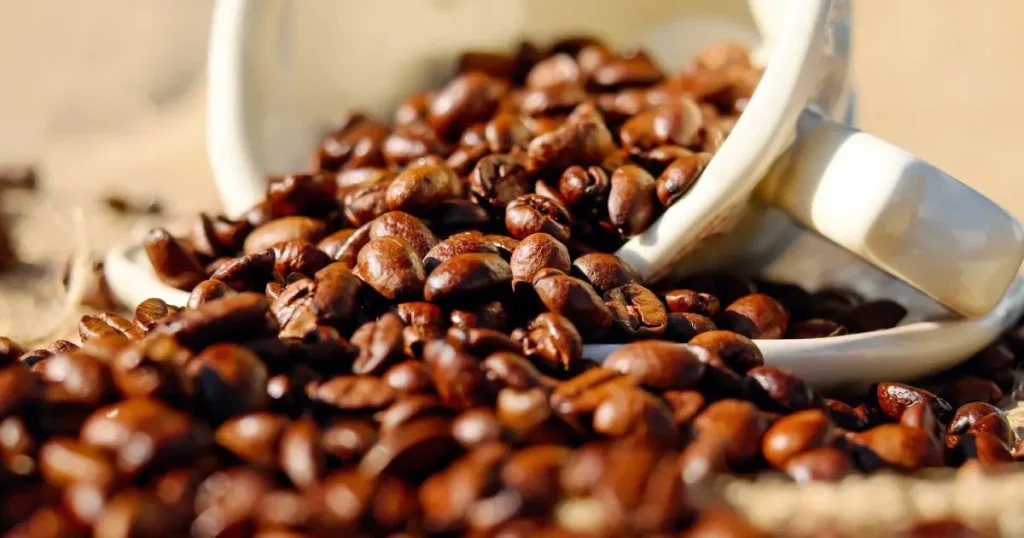
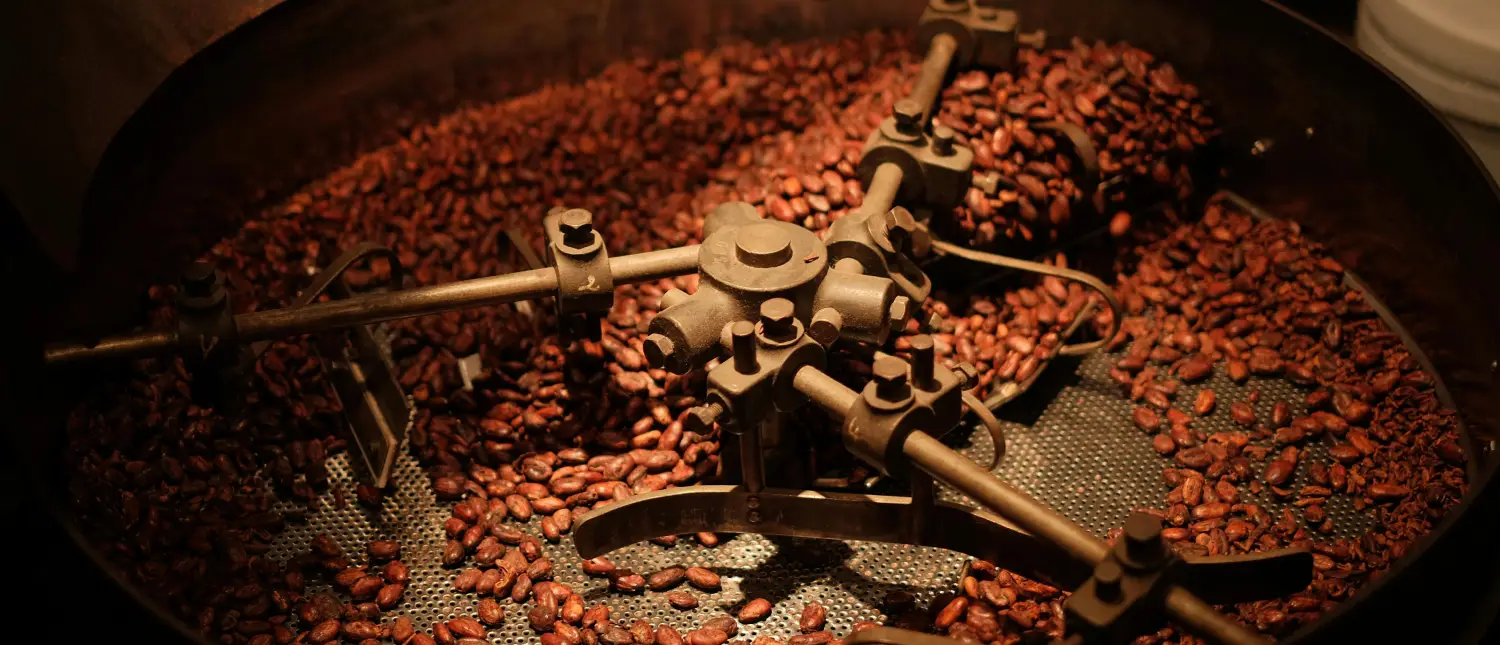
Coffee roasting transforms raw green coffee beans into the aromatic beans we brew every day. The roast level directly impacts flavor, acidity, sweetness, bitterness, body, and aroma.
- How Coffee Roasting Affects Coffee Flavor Profiles
- What Is Coffee Roasting?
- Quick Answer ☕
- What Happens During the Coffee Roasting Process?
- Coffee Roast Levels Explained
- Light Roast Coffee
- Medium Roast Coffee
- Dark Roast Coffee
- Light Roast vs Medium Roast vs Dark Roast
- How Coffee Roasting Changes Specific Flavor Profiles Characteristics
- Does Roast Level Affect Caffeine?
- Quick Answer ☕
- How Roast Profiles Affect Brewing Methods
- Pros and Cons of Different Roast Levels
- Light Roast
- Medium Roast
- Dark Roast
- Who Each Roast Level Is Best For
- How to Choose the Right Roast for Your Taste
- Alternatives to Traditional Roasted Coffee
- Verdict: How Coffee Roasting Affects Coffee Flavor Profiles ☕🔥
- Frequently Asked Questions
- You May Also Like ☕✨
- Light roasts = brighter, fruity, acidic flavors
- Medium roasts = balanced sweetness and body
- Dark roasts = bold, smoky, chocolatey flavors
Understanding Coffee Flavor Profiles can help you choose coffee that perfectly matches your taste preferences and brewing style.
How Coffee Roasting Affects Coffee Flavor Profiles
Coffee roasting is one of the biggest factors that determines how your coffee tastes. ☕✨
The same coffee bean can taste bright and fruity with a light roast or rich and smoky with a dark roast. That’s because roasting changes the bean’s sugars, oils, acids, and aromas through heat and time.
In this How Coffee Roasting Affects Coffee Flavor Profiles guide, you’ll learn:
- What happens during coffee roasting
- How roast levels affect coffee flavor profiles
- Why acidity, sweetness, and bitterness change
- Which roast works best for different brewing methods
- How to choose the perfect roast for your taste preferences
Whether you’re new to specialty coffee or building your home café setup, understanding roast profiles can completely change how you experience coffee.
What Is Coffee Roasting?
Coffee roasting is the process of heating green coffee beans to develop flavor, aroma, and color.
Before roasting, coffee beans are soft, green, and smell grassy. During roasting, heat triggers chemical reactions that create the complex flavors we associate with coffee.
Quick Answer ☕
Coffee roasting affects coffee flavor profiles by changing the bean’s sugars, acids, oils, and aromatic compounds. Lighter roasts preserve fruity and acidic notes, while darker roasts develop deeper chocolatey, smoky, and bitter flavors.
What Happens During the Coffee Roasting Process?
Roasting is a carefully controlled heating process that typically reaches temperatures between 180°C and 240°C.
Here’s what happens inside the bean:
1. Moisture Evaporates
Green coffee beans contain water. Early roasting removes moisture and dries the beans.
2. Sugars Begin Browning
Natural sugars caramelize, creating sweetness and complexity.
3. Acidity Changes
Organic acids break down as roasting continues, reducing brightness in darker roasts.
4. Oils Move to the Surface
Longer roasting pushes oils outward, especially in dark roasts.
5. Aroma Compounds Develop
Hundreds of aromatic compounds form during roasting, creating flavors like:
- Chocolate 🍫
- Nuts 🌰
- Caramel 🍯
- Citrus 🍊
- Berries 🍓
- Smoke 🔥
If you enjoy experimenting with flavor extraction, our guide to espresso workflows and consistency can help improve your daily coffee routine.
Coffee Roast Levels Explained
Light Roast Coffee
Light roasts are roasted for a shorter time and usually stopped shortly after the “first crack.”
Flavor Profile
- Bright acidity
- Fruity notes
- Floral aromas
- Tea-like body
- Higher origin clarity
Best For
- Pour over
- Chemex
- Filter coffee
- Specialty single-origin beans
Common Flavor Notes
- Citrus
- Berry
- Floral
- Honey
- Stone fruit
Light roasts are popular among specialty coffee enthusiasts because they highlight the bean’s natural characteristics.
👉 Light Roast Coffee: Flavor, Brewing & Best Beans
Medium Roast Coffee
Medium roasts strike a balance between origin flavor and roast development.
Flavor Profile
- Balanced sweetness
- Smooth body
- Moderate acidity
- Caramel notes
- Nutty undertones
Best For
- Drip coffee
- French press
- Everyday brewing
- Balanced espresso
Common Flavor Notes
- Chocolate
- Caramel
- Nuts
- Brown sugar
Medium roast is often considered the most versatile roast level.
If you’re building a better brewing setup, you may also enjoy learning about essential barista equipment for home coffee stations.
Dark Roast Coffee
Dark roasts spend more time in the roaster and often reach or pass the “second crack.”
Flavor Profile
- Bold body
- Lower acidity
- Smoky finish
- Bitterness increases
- Roast flavor dominates
Best For
- Traditional espresso
- Milk-based drinks
- Strong coffee lovers
Common Flavor Notes
- Dark chocolate
- Smoke
- Toasted nuts
- Molasses
Dark roasts are often preferred in classic Italian-style espresso blends.
Light Roast vs Medium Roast vs Dark Roast
| Roast Level | Acidity | Body | Sweetness | Bitterness | Common Flavors |
|---|---|---|---|---|---|
| Light Roast | High | Light | Moderate | Low | Fruit, citrus, floral |
| Medium Roast | Medium | Medium | High | Medium | Caramel, nuts, chocolate |
| Dark Roast | Low | Heavy | Lower | High | Smoke, cocoa, roasted nuts |
How Coffee Roasting Changes Specific Flavor Profiles Characteristics
Acidity
Acidity gives coffee brightness and liveliness.
- Light roasts preserve more acidity
- Dark roasts reduce acidity through longer heat exposure
This is why many people sensitive to acidic coffee prefer darker or low-acid coffee options.
You might also like our guide comparing mushroom coffee vs decaf coffee for gentler alternatives.
Sweetness
Sweetness develops as sugars caramelize during roasting.
- Medium roasts often provide the best sweetness balance
- Very dark roasts may taste less sweet due to sugar breakdown
Bitterness
Bitterness increases with darker roasting.
This happens because:
- Organic compounds break down further
- Charred flavors become more dominant
- Oils oxidize faster
Body and Mouthfeel
Body refers to how heavy coffee feels in your mouth.
- Light roast = lighter body
- Medium roast = balanced body
- Dark roast = fuller, heavier body
French press brewing tends to emphasize body more than paper-filter brewing methods.
Does Roast Level Affect Caffeine?
Surprisingly, roast level has only a small effect on caffeine.
Quick Answer ☕
Light roast coffee may contain slightly more caffeine by volume, but the difference is minimal in most brewing situations.
The biggest flavor difference comes from roast development — not caffeine content.
How Roast Profiles Affect Brewing Methods
Best Roast for Espresso
Medium-dark and dark roasts are common because they:
- Produce rich crema
- Pair well with milk
- Deliver bold flavor
Machines like the Breville Barista Express are popular for experimenting with different roast styles at home.
Best Roast for Pour Over
Light roasts often shine in pour over brewing because they highlight delicate flavor notes and origin characteristics.
Best Roast for French Press
Medium and dark roasts work especially well due to their fuller body and richness.
If you enjoy experimenting with extraction, check out our guide to capsule coffee vs traditional espresso machines to see how brewing systems influence flavor too.
Pros and Cons of Different Roast Levels
Light Roast
Pros
- Complex flavors
- Higher acidity
- Distinct origin notes
Cons
- Can taste sour if under-extracted
- Less body
Medium Roast
Pros
- Balanced flavor
- Versatile brewing
- Smooth sweetness
Cons
- Less origin clarity than light roast
Dark Roast
Pros
- Bold flavor
- Lower acidity
- Excellent with milk drinks
Cons
- Can taste bitter or smoky
- Origin flavors become less noticeable
Who Each Roast Level Is Best For
| Roast Level | Best For |
|---|---|
| Light Roast | Specialty coffee lovers, pour over fans |
| Medium Roast | Everyday coffee drinkers wanting balance |
| Dark Roast | Espresso lovers and bold coffee fans |
How to Choose the Right Roast for Your Taste
Choose Light Roast If You Like:
- Fruity flavors
- Bright coffee
- Complex tasting notes
Choose Medium Roast If You Like:
- Balanced sweetness
- Smooth coffee
- Versatile brewing
Choose Dark Roast If You Like:
- Bold espresso
- Strong flavor
- Chocolatey richness
Trying multiple roast levels is one of the best ways to refine your palate as a home barista.
Alternatives to Traditional Roasted Coffee
If you want different flavor experiences or gentler options, consider:
- Decaf coffee
- Low-acid coffee
- Mushroom coffee blends
- Matcha drinks
- Functional coffee alternatives
You may also enjoy:
- “Decaf vs Regular Coffee: What’s the Real Difference?”
- “Mushroom Coffee vs Decaf Coffee”
- “How to Make Better Coffee at Home”
- “Top Automatic Espresso Machines”
- “Home Espresso Workflows for Better Espresso”
Verdict: How Coffee Roasting Affects Coffee Flavor Profiles ☕🔥
Best Overall Roast for Most People:
Medium Roast
Why?
It delivers the best balance of:
- Sweetness
- Body
- Acidity
- Versatility
However, the “best” roast always depends on your taste preferences and brewing method.
Quick Verdict
- Want bright complexity? → Go light roast
- Want balance? → Choose medium roast
- Want bold espresso flavor? → Pick dark roast
Understanding roast profiles makes it much easier to choose coffee beans you’ll genuinely enjoy.
Frequently Asked Questions
Which coffee roast has the strongest flavor?
Dark roast coffees usually tastes strongest because of their bold, smoky, and bitter coffee flavor profiles.
Is light roast more acidic?
Yes. Light roast coffee retains more natural acids, creating brighter and fruitier flavors.
Which roast is best for espresso?
Medium-dark and dark roasts are traditionally preferred for espresso because they produce fuller body and richer crema.
Does dark roast have less caffeine?
Only slightly. The caffeine difference between roast levels is very small.
Why do specialty coffee shops prefer light roast?
Light roasting preserves the bean’s original flavors, allowing drinkers to taste regional and varietal differences more clearly.
You May Also Like ☕✨
- Home Espresso Workflows for Better Espresso
- Capsule Coffee vs Traditional Espresso Machines
- Decaf vs Regular Coffee: What’s the Real Difference?
- Mushroom Coffee vs Decaf Coffee
- Essential Barista Equipment for Home Coffee Setups