If you’ve been eyeballing your coffee grounds or pouring water without a second thought, you’re not alone—but you might be missing out on your best-tasting cup. Lets delve into how to use a coffee scale for better brews
A coffee scale is one of the most underrated tools in a home barista’s setup.
Whether you’re brewing pour-over, espresso, or French press, learning to use a scale can instantly level up your coffee game. Here’s how to use a coffee scale for better brews.
🎯 Why Use a Coffee Scale?
Using a scale ensures precision and consistency. When you measure by weight instead of scoops or volume, you take the guesswork out of brewing and can easily replicate the perfect cup again and again.
Benefits include:
- More balanced flavor (no more over- or under-extracted brews)
- Dialed-in brew ratios for any method
- Reduced waste of beans and water
⚖️ What Kind of Scale Do You Need?
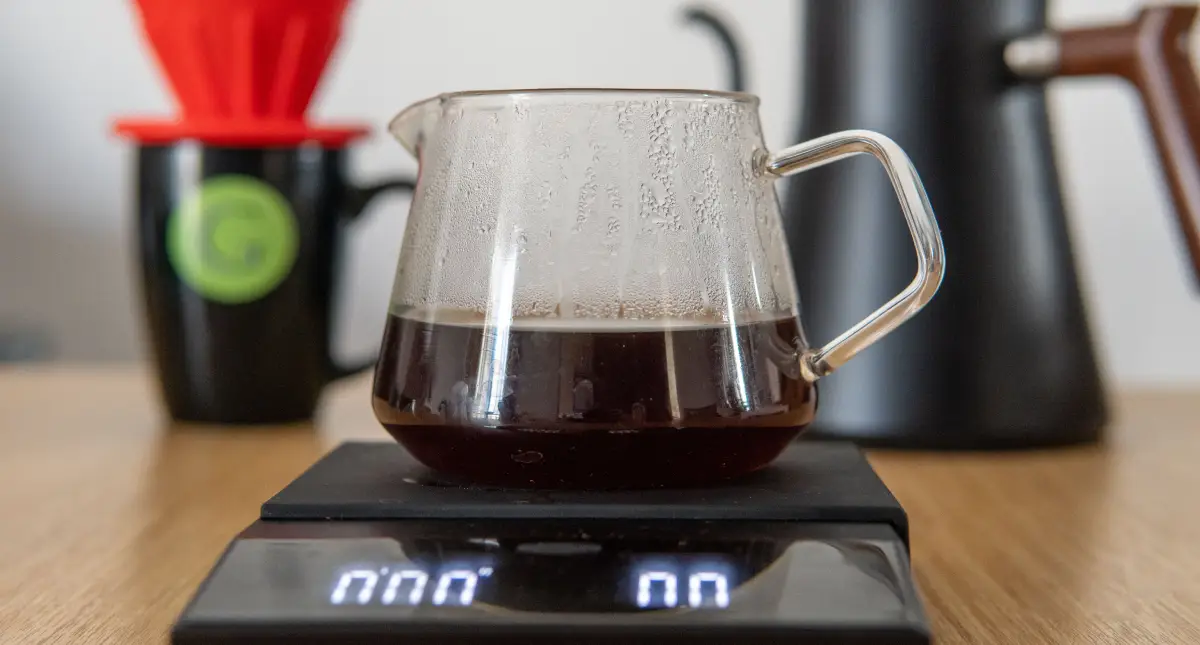
A basic kitchen scale works, but a coffee-specific scale offers added perks like:
- 0.1-gram precision
- Built-in timer
- Water-resistant surface
- Fast and responsive weight updates
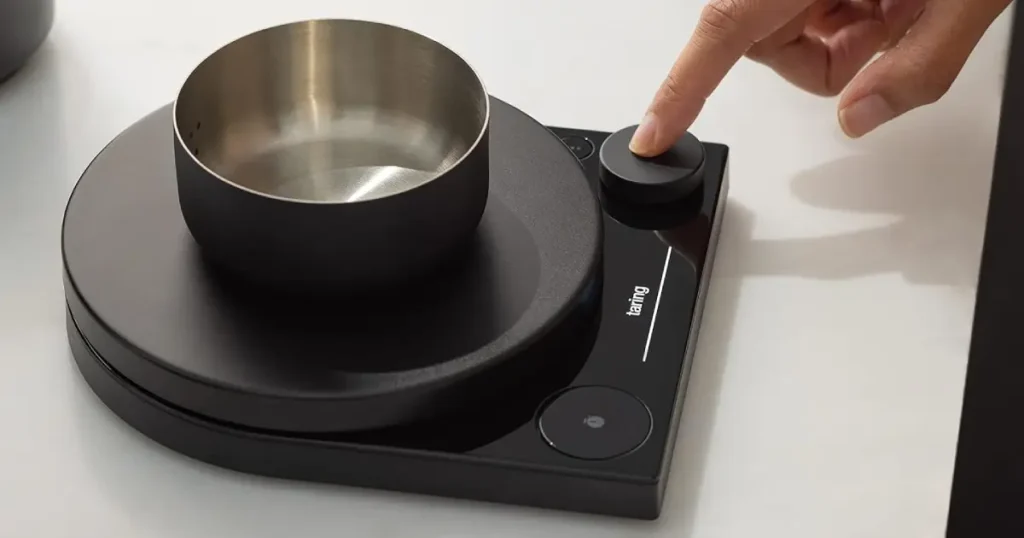
Some popular models include the TIMEMORE Black Mirror, and Fellow Tally Pro.
📏 Brew Ratio Basics: Coffee to Water
The golden ratio varies depending on the brew method, but a common starting point is:
- 1:15 to 1:17 coffee-to-water ratio
(That’s 1 gram of coffee for every 15–17 grams of water)
Example: For a pour-over, use 20g coffee to 300g water.
You can tweak this based on your taste—stronger? Use more coffee. Milder? Use more water.
🛠️ How to Use a Coffee Scale for better brews (Step-by-Step)
1. Turn it on and tare
Place your empty brewer or portafilter on the scale and press the tare (zero) button.
2. Weigh your coffee
Add your coffee grounds until you hit your target weight (e.g., 18g for espresso or 25g for pour-over).
3. Tare again
Zero out the scale with the brewer and grounds in place before adding water.
4. Add water by weight
As you pour, watch the scale climb until you reach the total target brew weight (e.g., 300g of water for 20g coffee).
5. Optional: Use the built-in timer
This helps you track extraction time for consistent results—especially helpful for pour-over and French press methods.
💡 Pro Tips for Better Brewing
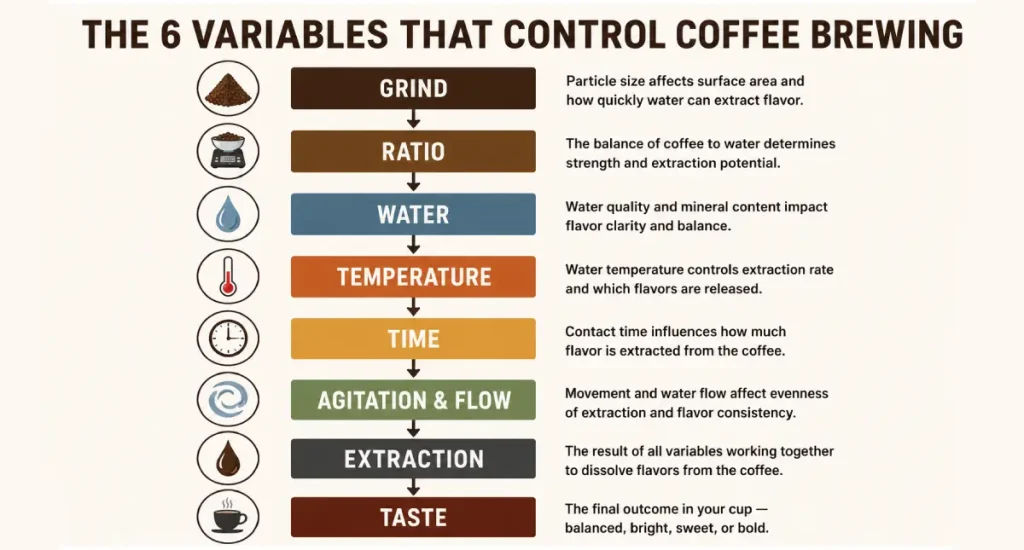
- Freshly ground beans make the biggest flavor difference—use a burr grinder for consistent particle size.
- Use filtered water for a cleaner, purer cup.
- Record your ratios when you nail a brew you love, so you can recreate it exactly.
🧠 FAQs About Using a Coffee Scale For Better Brews
Do I need a scale for espresso?
Yes! Espresso is especially sensitive to small changes. Weighing both the dose (in) and yield (out) ensures you’re pulling consistent, balanced shots.
Can I just use a scoop?
Scoop measurements can vary by grind size and bean density. A scale removes all that inconsistency.
What’s the best affordable coffee scale?
The TIMEMORE Black Mirror Basic offers excellent value, with precision and built-in timing features for under $50.
🔚 Final Thoughts: Why It Matters
A coffee scale might feel like a small detail—but it’s one that makes a big impact. If you want more flavor, consistency, and confidence in your brews, this simple tool is worth every gram. Precise coffee = better coffee.
☕ Fellow Digital Scale Review – Barista Grade Tool
🛍️ You May Also Like
- ☕ Best Coffee Scales for Home Brewing
- 📏 Dialing In Your Espresso Shots (Beginner’s Guide)
- 🔄 WDT Tool Guide – Even Extraction Every Time
☕ Just a heads up—this post contains affiliate links. If you buy through them, Frothy Fusion may earn a small commission (at no cost to you). Thanks for supporting our coffee-fueled content!