Espresso is an art, but even seasoned baristas hit snags now and then. From bitter shots to under-extracted coffee, common espresso issues can frustrate any coffee lover.
Don’t worry – with a few simple espresso troubleshooting tips and techniques, you can diagnose and fix these espresso issues to enjoy the perfect shot every time. Let’s dive in!
- Key Takeaways
- Start With a Baseline Recipe
- Quick Diagnosis Table for Espresso Troubleshooting
- 1. Espresso Is Too Bitter
- 2. Espresso Is Too Sour
- 3. Espresso Is Watery
- 4. Crema Is Thin or Nonexistent
- 5. Espresso Is Too Hot or Too Cold
- A Simple Espresso Troubleshooting Routine
- Related Reading to Espresso Troubleshooting
- FAQs on Espresso Troubleshooting
- Why does my espresso taste different every day?
- How often should I clean my espresso machine?
- Can I fix bitter espresso with milk?
- What is the ideal espresso extraction time?
- Does a good espresso always have thick crema?
- Why is my espresso coming out too fast?
- Do I need a special grinder for espresso?
- Related Reads to Espresso Troubleshooting
Quick answer: Most espresso problems come down to extraction. Bitter shots are usually over-extracted (grind too fine, water too hot, shot too long).
Sour or watery shots are usually under-extracted (grind too coarse, dose too low, shot too short). Change one variable at a time, starting with grind size, and judge each result by taste.
Key Takeaways
- Bitter = over-extracted. Sour = under-extracted. Grind size is your most powerful fix for both.
- Start from a baseline recipe, then change only one thing per shot.
- Fresh beans, clean equipment and good water fix more problems than people expect.
- Thin crema is a clue, not a verdict. Taste matters more than looks.
- Temperature problems come from machine warm-up, cold cups and scale build-up.
Espresso is part science, part craft, and even experienced baristas hit bad shots. A cup that’s harsh, sour, thin or lukewarm is frustrating, but every one of these problems has a cause you can find and fix.
This guide walks through the five most common espresso problems. For each one you’ll get the symptoms, the likely causes, a step-by-step fix and a pro tip, so you can diagnose a bad shot and dial in a great one.
Start With a Baseline Recipe
You can’t troubleshoot without a reference point. If your shots are off, begin with this widely used starting recipe and adjust from there:
- Dose: 18g of ground coffee in the basket (check your basket’s rated size)
- Yield: about 36g of espresso in the cup (a 1:2 ratio)
- Time: 25 to 30 seconds from the start of the pour
- Water temperature: about 90–96°C (195–205°F)
- Pressure: about 9 bars at the group head
Weigh your dose and your yield with a small scale. Eyeballing is the biggest source of inconsistency at home. For more on ratios, see our guide to espresso ratios.
The golden rule: change one variable at a time, and change the grind first. If you alter the dose, grind and temperature together, you won’t know which one made the difference.
Quick Diagnosis Table for Espresso Troubleshooting
| Problem | Taste | Shot behavior | Most likely cause | First fix |
|---|---|---|---|---|
| Too bitter | Harsh, burnt, drying | Runs slow, over 35 sec | Over-extraction | Grind coarser |
| Too sour | Sharp, tangy, salty | Runs fast, under 20 sec | Under-extraction | Grind finer |
| Watery | Thin, weak, no body | Gushes, pale stream | Coarse grind, low dose, channeling | Grind finer, check dose |
| Thin crema | Flat, dull | Light or fast-fading foam | Stale beans, wrong grind | Use fresher beans |
| Wrong temperature | Scalding or flat | Cup feels too hot or lukewarm | Machine not warmed up, cold cup | Preheat everything |
1. Espresso Is Too Bitter
Symptoms: a harsh, burnt or ashy taste, a dry mouthfeel and an aftertaste that lingers for too long.
Bitterness is the classic sign of over-extraction. The water has pulled too many of the harsh, heavy compounds out of the coffee after the sweeter flavors were already extracted.
Common causes and fixes
- Grind is too fine. Fine grounds slow the water down and increase extraction. Make your grind one or two steps coarser, and aim for a shot that finishes in 25 to 30 seconds.
- Shot is running too long. If you’re getting well over your target yield, stop the shot earlier. Cutting the pour at 36g from an 18g dose is a good starting point.
- Water is too hot. Water well above 96°C (205°F) can scorch the coffee. If your machine has adjustable temperature, lower it by a degree or two. If it doesn’t, flush the group head before brewing so it isn’t overheated.
- Beans are roasted very dark. Dark roasts are naturally more bitter. Try a medium roast, which gives a sweeter, more balanced shot.
- Beans are stale. Old beans taste flat and bitter. Buy from a roaster that prints a roast date, and use beans within about 2 to 4 weeks of roasting for the best flavor.
- A dirty machine or grinder. Old coffee oils turn rancid and add bitterness. Clean the portafilter, basket and group head daily, and clean your grinder regularly.
Pro tip: If your shot tastes bitter and it ran fast, the problem probably isn’t over-extraction. It’s likely a roast that’s too dark or old oils in the machine. Check the shot time before you touch the grinder.
2. Espresso Is Too Sour
Symptoms: a sharp, tangy or lemony taste, sometimes salty or hollow, with a short finish and often thin crema.
Sourness is the sign of under-extraction. The water hasn’t had enough time or contact to pull out the sweetness that balances the natural acids.
Common causes and fixes
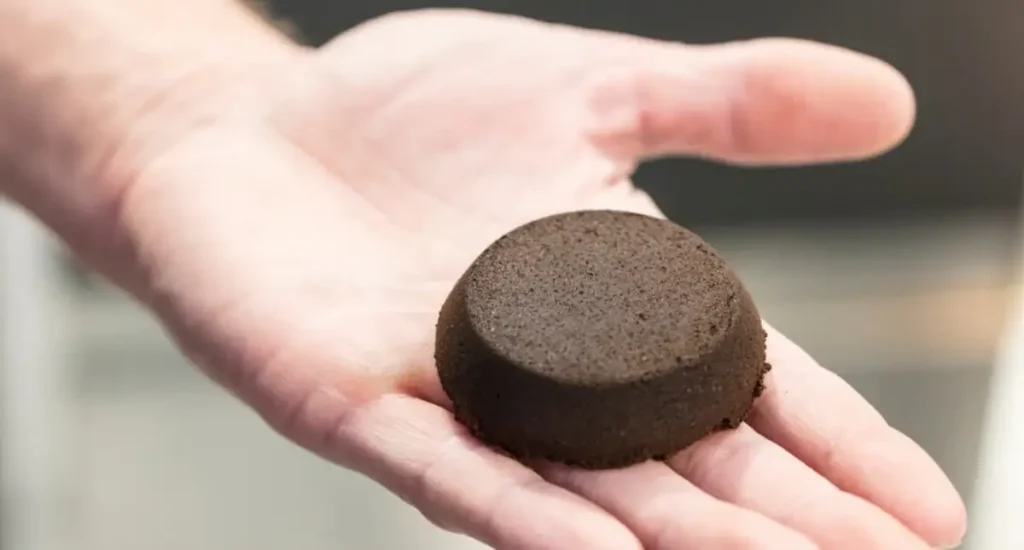
- Grind is too coarse. Water races through the puck. Grind finer in small steps until the shot takes 25 to 30 seconds.
- Shot is too short. If you stop the shot too early, the yield is too low. Let it run to your target weight.
- Dose is too low. A small dose in a large basket leaves too much room, which can cause uneven extraction. Use the dose your basket is designed for.
- Roast is light. Light roasts are denser and more acidic, and they need finer grinding and sometimes slightly hotter water. If you prefer a rounder flavor, switch to a medium roast.
- Water is too cold. Check that your machine has fully warmed up before pulling a shot.
- Water is too soft. Water with almost no minerals can taste flat and sharp. Filtered water with a moderate mineral content (roughly 75–150 ppm total dissolved solids) tends to taste best. Avoid distilled water.
Pro tip: Taste the shot, then adjust. If it’s sour, grind a little finer. If it then turns bitter, you’ve gone too far, so go back halfway. That sweet spot is where you want to be.
3. Espresso Is Watery
Symptoms: a thin, weak shot with little body, a pale stream and a taste that fades quickly.
A watery shot means the water passed through the coffee too easily, so very little flavor was picked up.
Common causes and fixes
- Grind is too coarse. Espresso needs a fine, consistent grind to create resistance. Grind finer.
- Dose is too low. Weigh your coffee. Most double baskets work best with 16–20g, depending on the basket size.
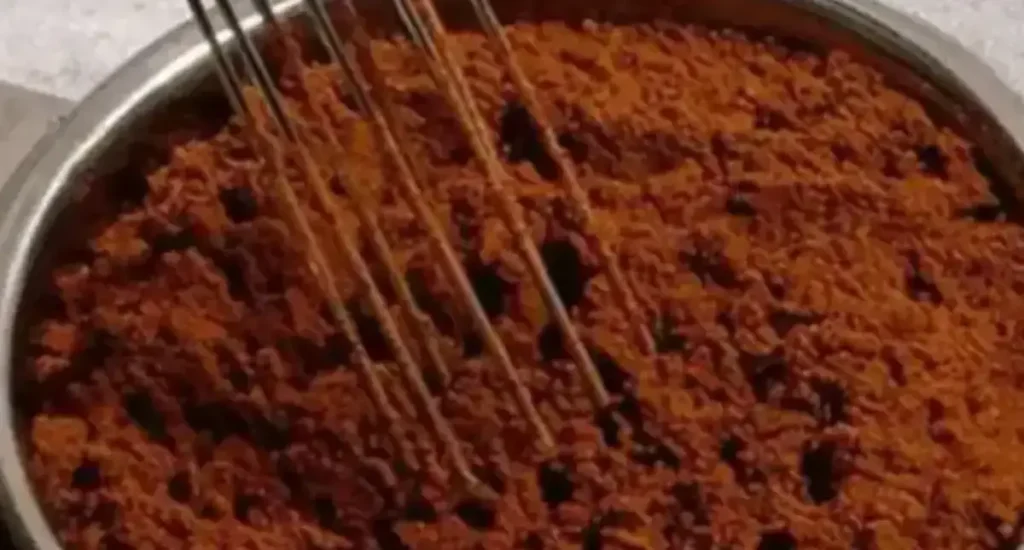
- Channeling. When water finds a crack in the puck, it rushes through that path and skips the rest of the coffee. You’ll see jets of water or a pale, fast stream. Prevent it by distributing the grounds evenly (a needle-style WDT tool works well), then tamping level.
- Uneven or light tamping. Tamp firmly and keep the tamper level. Consistency matters more than force, so aim for the same pressure every time.
- Worn basket or burrs. A scratched or worn basket, or dull grinder burrs, can produce an uneven grind and weak shots.
- Pre-ground coffee. Pre-ground coffee is usually too coarse and too stale for good espresso. A burr grinder makes a big difference.
Pro tip: If the grind and dose are right and the shot is still watery, look for channeling. Distribute thoroughly before tamping and keep the tamp level.
4. Crema Is Thin or Nonexistent
Symptoms: a light, patchy or fast-disappearing layer of golden-brown foam on top of the shot.
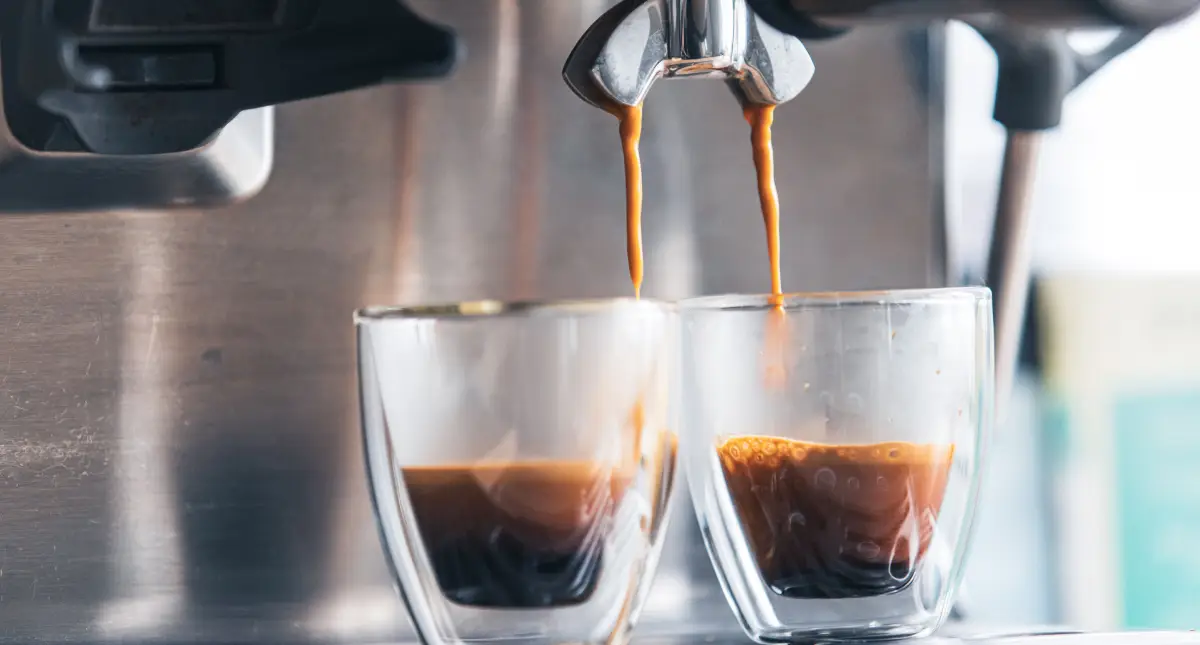
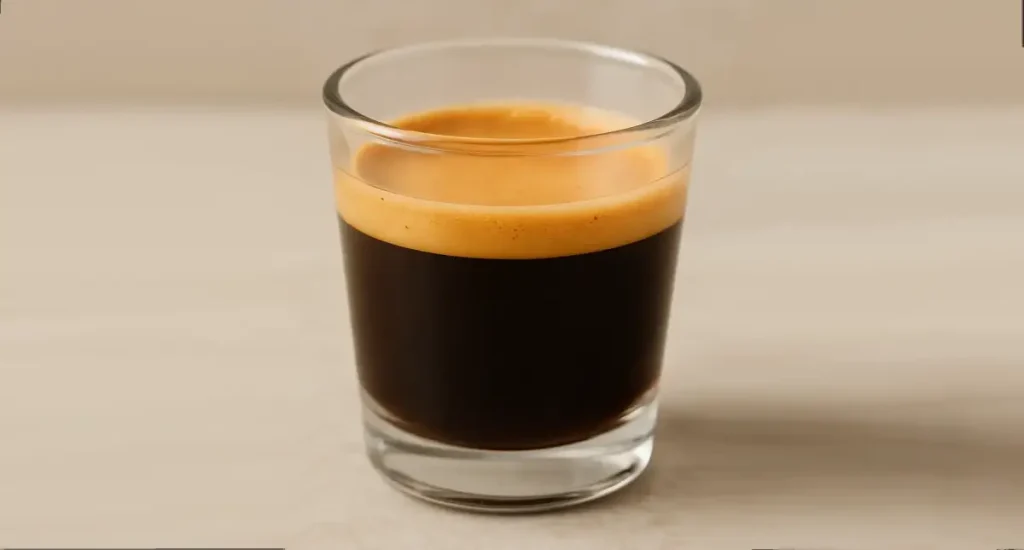
Crema forms when carbon dioxide trapped in the coffee is forced out under pressure and emulsified with the oils. That means it depends heavily on how fresh the beans are.
Common causes and fixes
- Stale beans. Coffee loses its CO₂ over time. Use beans that were roasted within the last few weeks, and store them in an airtight container away from light, heat and moisture.
- Grinding too early. Ground coffee loses CO₂ and aroma quickly. Grind right before brewing.
- Grind size is off. Too coarse and the water won’t create enough pressure. Too fine and it can choke the machine. Adjust until the shot runs in 25 to 30 seconds.
- Low pressure. Most espresso machines are designed to run at about 9 bars at the group head. If your crema is always weak, check that the pump, pressure setting or valve (on machines with an OPV) is working properly.
- Light roasts and certain beans. Light roasts produce less crema, while blends with some robusta produce more. Thin crema on a light roast isn’t necessarily a problem.
- Pressurized baskets. These baskets create artificial crema on entry-level machines. They’re forgiving, but they can mask other issues.
Pro tip: Crema is a good sign of freshness, but it isn’t a guarantee of flavor. If the shot tastes great, don’t worry about the foam.
5. Espresso Is Too Hot or Too Cold
Symptoms: a shot that scalds your mouth, or one that tastes flat and lukewarm.
Temperature affects both flavor and extraction. Brewing temperature (at the group head) is different from serving temperature (in the cup), and both can cause problems.
Common causes and fixes
- Machine hasn’t warmed up. Most home machines need 15 to 30 minutes to fully heat the group head and portafilter. Turn it on early.
- Cold portafilter and cup. A cold metal portafilter and ceramic cup pull heat from the shot instantly. Lock the portafilter into the group head while the machine heats, and warm your cup with hot water or on the cup tray.
- Back-to-back shots. After several shots in a row, some machines run too hot. Flush a little water through the group head before the next shot.
- Incorrect temperature setting. If your machine has a PID or temperature control, aim for 90–96°C (195–205°F). Lighter roasts usually do better at the higher end, and darker roasts at the lower end.
- Scale and oil build-up. Mineral scale and old coffee oils can disrupt heating and temperature stability. Descale regularly, especially in hard-water areas, and backflush if your machine supports it.
Pro tip: If a shot tastes sour and cool, warm up everything first. If it tastes bitter and scalding, flush the group head and lower the temperature.
A Simple Espresso Troubleshooting Routine
When a shot goes wrong, work through this order:
- Taste it. Is it sour, bitter, weak or flat?
- Check the numbers. Dose, yield and time.
- Adjust the grind. Finer for sour or watery, coarser for bitter.
- Check freshness. Roast date and storage.
- Check the temperature. Warm-up time, cup and portafilter.
- Clean and maintain. Backflush, descale and clean the grinder.
Write down your changes. Keeping a short log of grind setting, dose, yield and taste makes it much easier to repeat a great shot.
→ How Coffee Grind Size Affects Flavor
Related Reading to Espresso Troubleshooting
- How Coffee Grind Size Affects Flavor
- Espresso Ratios Explained
- Espresso vs Moka Pot
- Ristretto vs Espresso
- How to Tamp Espresso
FAQs on Espresso Troubleshooting
Why does my espresso taste different every day?
Small changes in bean freshness, grind size, humidity, dose, tamping and water temperature all affect the shot. Weighing your dose and yield, grinding fresh and keeping your machine clean will give you far more consistent results.
How often should I clean my espresso machine?
Rinse the portafilter, basket and group head after each session, and wipe the steam wand after every use. Backflush weekly if your machine allows it, and descale about every 1 to 3 months depending on your water hardness and the manufacturer’s instructions.
Can I fix bitter espresso with milk?
Milk and sugar can soften bitterness, but they don’t fix the cause. Adjust your grind, temperature or roast for a better base shot.
What is the ideal espresso extraction time?
Most shots taste best between 25 and 30 seconds, but time is a guide, not a rule. Judge by taste and by your target ratio, such as 18g in to 36g out.
Does a good espresso always have thick crema?
No. Crema shows freshness and pressure, but light roasts and some beans naturally produce less. A balanced, sweet shot with thin crema is better than a bitter one with thick foam.
Why is my espresso coming out too fast?
A fast shot usually means the grind is too coarse, the dose is too low, or the puck has channeled. Grind finer, check your dose and distribute the grounds evenly before tamping.
Do I need a special grinder for espresso?
A good burr grinder with fine, stepped or stepless adjustment is the most important upgrade for espresso. Blade grinders produce uneven particles and make dialing in almost impossible.
Related Reads to Espresso Troubleshooting
- Best Manual Espresso Machines (Handheld Presses)
- Espresso Machine vs Coffee Maker: What’s the Difference?
- How to Make Espresso Without a Machine
- Best Coffee Beans for Espresso
☕ Just a heads up—this espresso troubleshooting post contains affiliate links. If you buy through them, Frothy Fusion may earn a small commission (at no cost to you). Thanks for supporting our coffee-fueled content!