
Love strong coffee but not sure whether to go for a Moka pot or an espresso machine? You’re not alone.
Both brew bold, concentrated coffee — but they’re different in how they work, the results they give, and the gear they require. Let’s break down the key differences between espresso and Moka pot coffee so you can decide which one suits your brew style best.
⚙️ Brewing Method
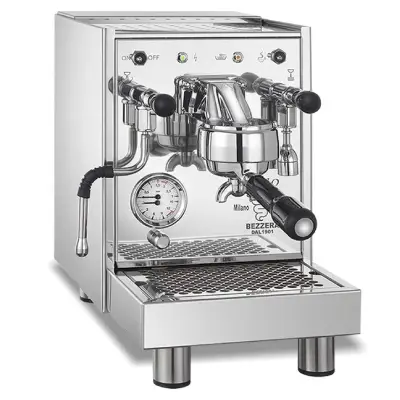
Espresso:
An espresso machine forces hot water through finely ground coffee at high pressure (typically 9 bars). The result? A small, strong shot of coffee with crema on top. This process happens in 25–30 seconds and requires an espresso machine, a proper tamper, and finely tuned grind size.
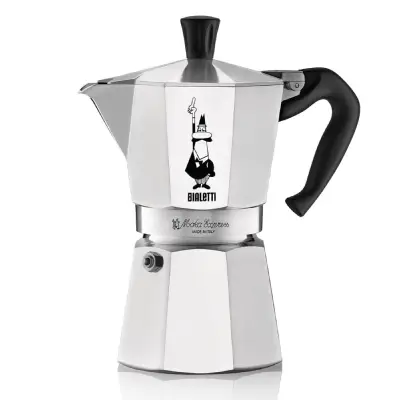
Moka Pot:
A Moka pot (aka stovetop espresso maker) uses steam pressure to push hot water up through the coffee grounds into the top chamber. It brews slower, takes 5–10 minutes, and doesn’t reach the pressure needed for true espresso — but it still delivers a rich, bold cup that’s stronger than drip.
☕ Taste & Strength
Espresso:
- Concentrated and intense
- Creamy mouthfeel from crema
- Short shot: ~1 oz of coffee
- Often the base for lattes, cappuccinos, and flat whites
Moka Pot:
- Strong and bold, but slightly more bitter
- No crema (due to lower pressure)
- Larger serving: usually 2–3 oz
- Best enjoyed as-is or with milk for a faux-latte feel
💡 Pressure Levels
| Brew Method | Pressure Used |
|---|---|
| Espresso | ~9 bars |
| Moka Pot | ~1.5 bars |
Espresso machines use significantly more pressure, which is why they can create crema — a defining feature of espresso.
🧰 Equipment & Cost
| Feature | Espresso Machine | Moka Pot |
|---|---|---|
| Price | $$$ – Can be expensive | $ – Budget-friendly |
| Size | Bulky | Compact, travel-ready |
| Ease of Use | Learning curve involved | Beginner-friendly |
| Cleaning | More parts to clean | Easy to rinse & store |
🧪 Grind Size
- Espresso needs a fine, consistent grind (like table salt)
- Moka pots work best with a medium-fine grind — too fine and it clogs; too coarse and the brew tastes weak
👉 A burr grinder gives you more control, no matter which brew method you choose.
🏡 Which One’s Best for Home Brewing?
Choose Espresso if you:
- Want café-quality shots at home
- Love dialing in your grind and tamping
- Make milk-based drinks often (lattes, cappuccinos)
- Don’t mind investing in a machine
Choose Moka Pot if you:
- Want bold coffee without the expense
- Prefer simplicity and portability
- Enjoy a ritual brew without high-tech gear
- Want something sturdy for home or travel
✅ Bottom Line
Both espresso and Moka pot coffee deliver strong, flavorful brews, but they’re brewed differently and offer different experiences. If you love precision and crema, go espresso. If you prefer rich, no-fuss stovetop brewing, the Moka pot is your new best friend.
No matter which one you choose, you’re just a few steps away from better coffee at home ☕✨
✅ Frequently Asked Questions
Is Moka pot coffee the same as espresso?
Not exactly. Moka pot coffee is strong and concentrated, but it doesn’t reach the high pressure needed for true espresso. It lacks crema and is slightly more bitter.
Can I use espresso grounds in a Moka pot?
Yes, but be careful! Super-fine espresso grinds can clog your Moka pot. A medium-fine grind works best.
Which is better for lattes and cappuccinos?
Espresso is ideal because it creates a concentrated shot with crema, perfect for milk-based drinks. Moka pot coffee can work, but it will taste slightly different and less creamy.
How long does it take to brew coffee with a Moka pot?
On average, 5–10 minutes depending on your stove heat and the size of the pot.
Do I need special coffee beans for Moka pots or espresso machines?
You can use any coffee beans, but medium to dark roasts usually produce the richest, boldest flavors for both methods.
📌 You May Also Like
- Espresso Ratios and Brew Tips – Learn how to dial in your perfect espresso shot
- Best Manual Espresso Machines for Home Baristas – Compact, affordable ways to get café-quality espresso
- How to Use a Moka Pot for Bold, Rich Coffee – Step-by-step brewing guide