
🥄 What’s the Difference?
If you’ve ever sipped a tiny, rich, foamy cup of stovetop-brewed coffee and wondered whether it was Greek or Turkish, you’re not alone! These two iconic coffee traditions share roots, techniques, and even equipment — yet each has its own identity, flavor, and cultural story.
This guide breaks down exactly what separates Greek coffee from Turkish coffee, from the grind and foam to the rituals that make each cup special. Let’s dive in! 🌊☕
☕️ A Quick Overview: Similar… but not the same
Greek coffee and Turkish coffee are both made with:
- Very fine, powdery coffee grounds
- A small pot called a briki (Greek) or cezve (Turkish)
- No filtering — grounds settle at the bottom
- A signature foam layer called kaimaki (Greek) or köpük (Turkish)
So what’s the difference?
It comes down to tradition, taste, technique, and presentation.
🇹🇷 vs 🇬🇷 The Key Differences
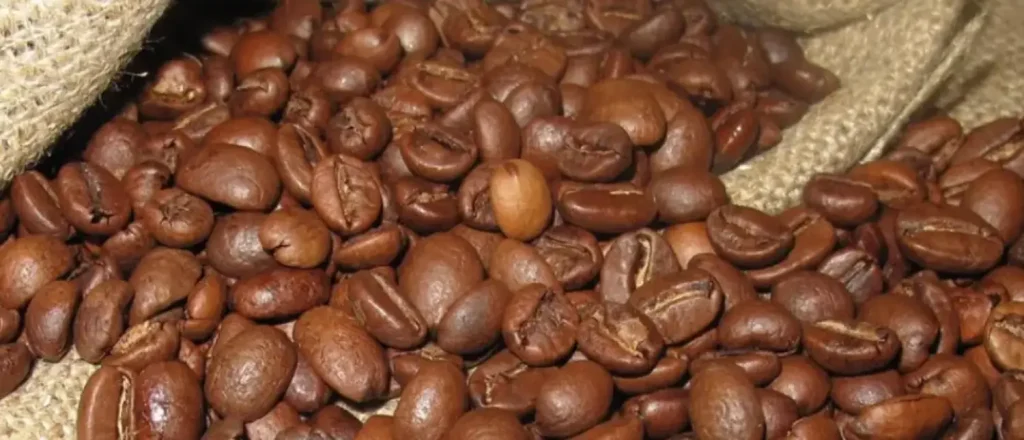
🫘 1. Grind & Coffee Type
Both use ultra-fine coffee, but:
- Greek coffee often uses lighter to medium roast, sometimes with a slightly earthier finish.
- Turkish coffee typically uses medium to dark roasts, and in many regions, includes cardamom (optional but iconic!).
Flavor takeaway:
👉 Greek = lighter, brighter, slightly toasted
👉 Turkish = richer, deeper, sometimes spiced
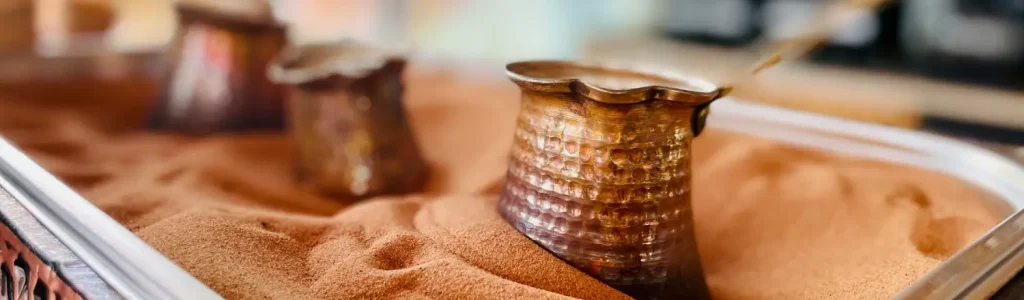
🔥 2. Brewing Technique
Both involve heating the mixture slowly, but:
Greek Coffee
- Traditionally heated very gently, often stirred only at the start
- Focus is on producing a thick, silky kaimaki foam
- Often brewed once
Turkish Coffee
- Sometimes brought to the edge of boiling multiple times
- May remove foam, set aside, and add back in
- Known for a slightly thicker body
Technique takeaway:
👉 Greek: smooth + steady
👉 Turkish: more intense extraction
🍬 3. Sweetness Levels
Both coffees let you choose how sweet you want it:
Greek Sweetness Terms:
- Sketos — no sugar
- Metrios — medium sweet
- Glykos — sweet
Turkish Sweetness Terms:
- Sade — no sugar
- Orta — medium
- Şekerli — sweet
Same idea, different language — but the cultural rituals differ.
🍮 4. Serving Style
Greek Coffee
Served with:
- A glass of cold water
- Sometimes a loukoumi (Greek delight)
Turkish Coffee
Served with:
- A glass of water
- A piece of lokum (Turkish delight)
- Sometimes alongside fortune reading from the cup! 🔮
🧿 5. Cultural Identity
Perhaps the biggest difference isn’t the coffee itself — it’s the heritage behind it.
- Greek coffee is central to the Greek “kafeneio” culture — slow socializing, conversation, and hospitality.
- Turkish coffee is UNESCO-recognized for its deep cultural importance, social meaning, and traditions.
☕️ Side-by-Side Comparison Table
| Feature | Greek Coffee 🇬🇷 | Turkish Coffee 🇹🇷 |
|---|---|---|
| Roast | Light–medium | Medium–dark |
| Flavor | Bright, earthy | Rich, bold, sometimes spiced |
| Foam | Kaimaki | Köpük |
| Pot Name | Briki | Cezve |
| Sweetness Terms | Sketos/Metrios/Glykos | Sade/Orta/Şekerli |
| Spice Option | Rare | Cardamom (common in many regions) |
| Ritual | Lively conversation, water | Water + Turkish delight + fortune reading |
🏡 Which One Should You Make at Home?
Want something light, bright, and smooth? → Go Greek 🇬🇷
Prefer deep, rich, slightly spiced? → Try Turkish 🇹🇷
Both are easy to make at home with a briki/cezve and a stovetop — and once you master one, you’ll love comparing the other.
❓ FAQs
Is Greek coffee the same as Turkish coffee?
They’re very similar in preparation but differ in roast, flavor profile, cultural roots, and sometimes spices.
Can I use the same pot for both?
Yes! A briki and cezve are basically the same tool.
Do I need a special grinder?
Yes — you’ll need a Turkish grind, which is finer than espresso. Many commercial grinders can’t reach this level.
Why is the foam so important?
The foam (kaimaki/köpük) shows skill in brewing and improves the texture of the coffee.
Does Turkish coffee always have cardamom?
No — it’s optional and based on regional or personal preference.
💡 You May Also Like
Here are some Frothy Fusion articles your readers will love:
- How to Make Turkish Coffee at Home 🇹🇷
- Greek Coffee 101: Brew, Taste & Cultural Traditions 🇬🇷
- Briki vs Cezve: What’s the Difference?
- How to Get the Perfect Kaimaki (Foam) Every Time
- Best Coffees for Turkish-Style Brewing