

How to Choose the Perfect Beans for Rich, Authentic Flavor ☕✨
When choosing the best Coffees for Turkish-Style Brewing we need to look at why turkish coffee. Turkish coffee is one of the world’s oldest and most distinctive brewing methods.
- How to Choose the Perfect Beans for Rich, Authentic Flavor ☕✨
- But here's the secret many beginners miss:
- Quick Summary ☕
- What Makes a Coffee Good for Turkish-Style Brewing?
- Best Coffee Origins for Turkish Coffee
- Comparison Table: Best Coffee Origins for Turkish Coffee
- Best Roast Level for Turkish Coffee
- Why Grind Size Matters More Than Bean Choice
- Pros and Cons of Turkish Coffee
- Who Turkish Coffee Is Best For
- Common Mistakes When Choosing Coffee for Turkish Brewing
- Alternatives to Turkish Coffee
- Frequently Asked Questions
- Verdict: Best Coffees for Turkish-Style Brewing 🏆
- You May Also Like ☕✨
- Top 7 Coffees for Turkish-Style Brewing
- 1. Sakiz Coffee – Classic Turkish Roast
- Selamlique Sakiz Coffee
- 2. Kurukahveci Mehmet Efendi
- Kurukahveci Mehmet Efendi
- 3. Lavazza Gran Espresso
- Lavazza Gran Espresso
- 4. Café Najjar Turkish Coffee
- Café Najjar Turkish Coffee
- 5. Peet’s Coffee Espresso Forte
- Peet’s Coffee Espresso Forte
- 6. Kahve Dünyası Turkish Coffee
- Kahve Dünyası Turkish Coffee
- 7. Cardamom-Infused Blends
- Canan Koska Cardamom Turkish Coffee
- Final Sip
Unlike drip coffee or espresso, it relies on an ultra-fine grind, slow heating, and full immersion brewing to create a rich, thick, and intensely flavorful cup.
But here’s the secret many beginners miss:
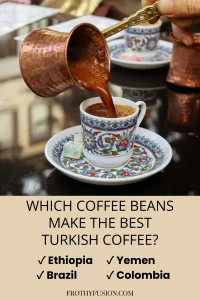
The best Turkish coffee starts with choosing the right beans.
Whether you’re using a traditional cezve (ibrik) or exploring Turkish-style brewing at home, the beans you select have a huge impact on flavor, aroma, body, and crema-like foam.
In this guide, you’ll discover:
- The best coffee beans for Turkish coffee
- Ideal roast levels
- Recommended origins
- What grind size matters most
- Common mistakes to avoid
- Alternatives if Turkish coffee isn’t your preferred style
Quick Summary ☕
Best coffee for Turkish-style brewing: Medium to medium-dark roasted Arabica beans
Best origins:
- Ethiopia
- Yemen
- Brazil
- Colombia
- Guatemala
Best flavor profile:
- Chocolate
- Spice
- Nuts
- Dried fruit
- Floral notes
Most important factor:
- Ultra-fine Turkish grind (finer than espresso)
What Makes a Coffee Good for Turkish-Style Brewing?
Turkish coffee differs from nearly every modern brewing method.
The grounds remain in the cup, which means every characteristic of the bean becomes more noticeable.
The ideal coffee should provide:
✅ Rich body
✅ Balanced acidity
✅ Strong aroma
✅ Natural sweetness
✅ Smooth finish
Because the coffee is brewed slowly and fully immersed, beans with excessive acidity or bitterness can become overwhelming.
For this reason, many traditional Turkish coffee drinkers prefer medium or medium-dark roasts.
Best Coffee Origins for Turkish Coffee
Different coffee-growing regions produce unique flavor profiles.
1. Ethiopian Coffee
Ethiopian beans are often considered among the finest choices for Turkish brewing.
Flavor notes:
- Floral
- Citrus
- Berry
- Tea-like sweetness
These beans create an aromatic and complex cup that works exceptionally well when prepared traditionally.
If you enjoy exploring coffee origins, see our guide to single-origin vs blended coffee beans.
2. Yemeni Coffee
Historically, Yemeni coffee played a major role in the development of Turkish coffee culture.
Flavor notes:
- Spice
- Cocoa
- Dried fruit
- Earthy richness
Yemeni beans often produce a bold and authentic traditional experience.
3. Brazilian Coffee
Brazilian coffees are among the easiest recommendations for beginners.
Flavor notes:
- Chocolate
- Nuts
- Caramel
- Low acidity
Their naturally smooth profile makes them highly forgiving in Turkish-style brewing.
4. Colombian Coffee
Colombian beans offer excellent balance.
Flavor notes:
- Caramel
- Cocoa
- Mild fruit
- Sweet finish
They’re a great choice if you want complexity without excessive brightness.
5. Guatemalan Coffee
Guatemalan coffees can create a wonderfully rich Turkish coffee experience.
Flavor notes:
- Chocolate
- Spice
- Brown sugar
- Mild fruit
These beans provide depth while maintaining smooth drinkability.
Comparison Table: Best Coffee Origins for Turkish Coffee
| Origin | Body | Acidity | Sweetness | Best For |
|---|---|---|---|---|
| Ethiopia | Medium | Medium-High | High | Floral complexity |
| Yemen | Full | Low-Medium | Medium | Traditional flavor |
| Brazil | Full | Low | High | Beginners |
| Colombia | Medium-Full | Medium | High | Balanced cups |
| Guatemala | Full | Medium | Medium-High | Rich flavor lovers |
Best Roast Level for Turkish Coffee
Roast level significantly affects the final cup.
Light Roast
Pros:
- Bright flavors
- Fruity notes
- Complex aromatics
Cons:
- Can taste overly acidic
- Less traditional profile
Medium Roast
Pros:
- Balanced sweetness
- Pleasant aroma
- Traditional flavor
Cons:
- Less bold than darker roasts
Medium-Dark Roast
Pros:
- Rich body
- Chocolate notes
- Lower acidity
Cons:
- Some origin characteristics become muted
Dark Roast
Pros:
- Strong flavor
- Heavy body
Cons:
- Can become bitter
- Less nuanced
For most coffee drinkers, medium to medium-dark roasts deliver the best results.
Why Grind Size Matters More Than Bean Choice
Many people spend hours researching beans while overlooking the most important factor:
The grind.
Turkish coffee requires an ultra-fine powder-like grind.
It should feel almost like flour between your fingers.
If the grind is too coarse:
- Extraction becomes uneven
- Flavor weakens
- Foam decreases
- Sediment feels gritty
Pros and Cons of Turkish Coffee
Pros ☕
- Rich flavor concentration
- Unique cultural tradition
- Requires minimal equipment
- Full-bodied texture
- Highly aromatic
Cons
- Sediment remains in the cup
- Requires very fine grinding
- Slower preparation
- Not ideal for large batches
Who Turkish Coffee Is Best For
Turkish-style brewing is perfect for:
Ideal For
- Coffee enthusiasts
- Traditional brewing fans
- Strong coffee lovers
- Home brewers seeking new experiences
- People who enjoy rich texture
May Not Be Ideal For
- Fans of very clean coffee
- Those preferring mild brews
- Drinkers sensitive to sediment
If you prefer cleaner cups, you may enjoy our comparison of Espresso vs French Press vs Pour Over.
Common Mistakes When Choosing Coffee for Turkish Brewing
Using Espresso Grind
Espresso grind is fine.
Turkish grind is even finer.
Many beginners confuse the two.
Choosing Extremely Dark Roasts
Dark roasts can overwhelm Turkish coffee’s nuanced flavor.
Ignoring Freshness
Freshly roasted beans produce better aroma and sweetness.
Buying Pre-Ground Coffee Meant for Drip Brewers
Most supermarket coffee is too coarse.
Always verify that it’s specifically ground for Turkish coffee.
Alternatives to Turkish Coffee
If Turkish-style brewing isn’t your favorite, consider these methods:
Moka Pot
Produces a strong, concentrated coffee similar to espresso.
Espresso
Offers intensity without sediment.
You may also enjoy our guide to the differences between espresso and regular coffee.
French Press
Creates a rich body while remaining easier to brew.
Pour Over
Excellent for highlighting origin characteristics and clarity.
See our article on best coffees for pour-over brewing for recommendations.
Frequently Asked Questions
What coffee beans are traditionally used for Turkish coffee?
Traditionally, Arabica beans from Yemen, Ethiopia, and surrounding regions were commonly used. Today, many origins work well as long as they are ground finely enough.
Is Turkish coffee stronger than espresso?
By volume, Turkish coffee can taste very strong. However, espresso is typically more concentrated in a smaller serving.
Can I use regular coffee beans for Turkish coffee?
Yes. The bean origin matters less than using an ultra-fine Turkish grind.
What roast level is best for Turkish coffee?
Most coffee drinkers prefer medium or medium-dark roasts because they balance sweetness, body, and aroma.
Can I make Turkish coffee without a cezve?
Yes. A small saucepan can work, although a traditional cezve produces better foam and more authentic results.
Is Turkish coffee naturally sweet?
No. Traditional Turkish coffee can be prepared unsweetened, lightly sweetened, medium sweet, or very sweet depending on preference.
Verdict: Best Coffees for Turkish-Style Brewing 🏆
Our Recommendation: Choose high-quality Arabica beans from Brazil, Colombia, Ethiopia, Yemen, or Guatemala and pair them with an authentic Turkish grind.
For most home brewers:
✅ Medium roast
✅ Freshly ground beans
✅ Ultra-fine Turkish grind
✅ Slow brewing in a cezve
This combination consistently delivers the rich aroma, smooth body, and authentic flavor Turkish coffee is known for.
If you’re new to Turkish coffee, Brazilian or Colombian beans offer the easiest and most forgiving starting point.
You May Also Like ☕✨
- Best Coffee Beans for Home Brewing
- Espresso vs French Press vs Pour Over
- Best Coffees for Pour Over Brewing
- Single-Origin vs Blend Coffee Beans: Which Is Better?
Top 7 Coffees for Turkish-Style Brewing
1. Sakiz Coffee – Classic Turkish Roast
- 🌿 Origin: Turkey
- 🔥 Roast: Medium-dark
- ☕ Flavor Notes: Chocolate, cinnamon, subtle fruit
- Why it works: Traditional and widely loved for its authentic aroma and smooth finish.
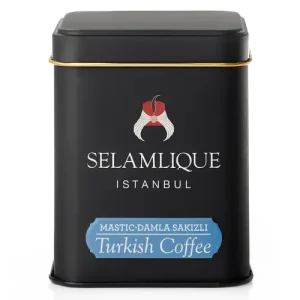
Selamlique Sakiz Coffee
Aromatic Turkish coffee blended with mastic resin for a smooth, lightly sweet, and unique flavor experience.
2. Kurukahveci Mehmet Efendi
- 🌿 Origin: Turkey
- 🔥 Roast: Dark
- ☕ Flavor Notes: Nutty, earthy, slightly bitter
- Why it works: One of the most iconic Turkish brands, perfect for a classic experience.
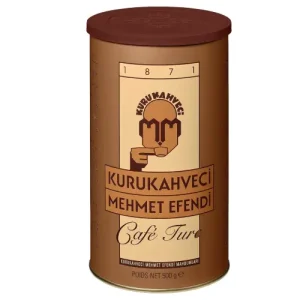
Kurukahveci Mehmet Efendi
Turkey’s most famous Turkish coffee, finely ground for a bold, smooth, and authentic cup every time.
3. Lavazza Gran Espresso
- 🌿 Origin: Italy
- 🔥 Roast: Medium-dark
- ☕ Flavor Notes: Cocoa, caramel, mild acidity
- Why it works: Smooth and consistent; ideal if you want a slightly Italian twist.
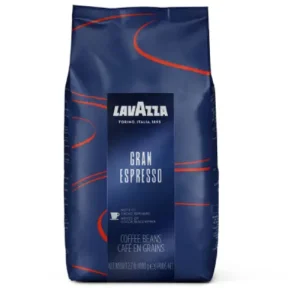
Lavazza Gran Espresso
A full-bodied Italian espresso blend delivering bold flavor, thick crema, and smooth intensity.
4. Café Najjar Turkish Coffee
- 🌿 Origin: Lebanon
- 🔥 Roast: Medium
- ☕ Flavor Notes: Chocolate, spices, mild sweetness
- Why it works: Balanced flavor that pairs beautifully with cardamom or sugar.
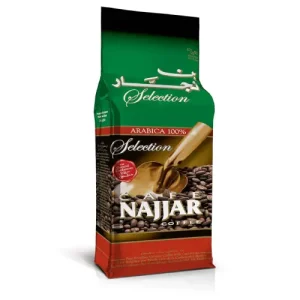
Café Najjar Turkish Coffee
Smooth and traditional Turkish coffee with a balanced roast and authentic Middle Eastern flavor.
5. Peet’s Coffee Espresso Forte
- 🌿 Origin: Blend (various)
- 🔥 Roast: Dark
- ☕ Flavor Notes: Chocolate, earthy, robust
- Why it works: Strong and bold—perfect for a café-style Turkish coffee at home.

Peet’s Coffee Espresso Forte
A powerful dark roast espresso with rich chocolate notes and a bold, intense finish.
6. Kahve Dünyası Turkish Coffee
- 🌿 Origin: Turkey
- 🔥 Roast: Medium-dark
- ☕ Flavor Notes: Nutty, chocolatey, aromatic
- Why it works: A contemporary favorite with excellent grind consistency.
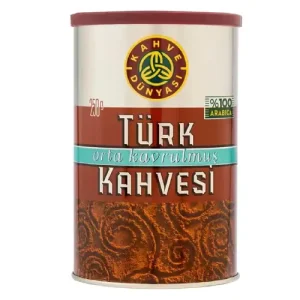
Kahve Dünyası Turkish Coffee
Smooth, well-balanced Turkish coffee from one of Turkey’s most popular modern brands.
7. Cardamom-Infused Blends
- 🌿 Origin: Various
- 🔥 Roast: Medium
- ☕ Flavor Notes: Cardamom, chocolate, floral notes
- Why it works: Pre-flavored blends add an exotic twist that elevates your Turkish coffee ritual.
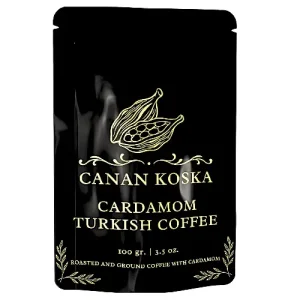
Canan Koska Cardamom Turkish Coffee
Rich Turkish coffee infused with cardamom for a warm, aromatic, and spiced flavor.
Final Sip
Turkish coffee is more than a brewing method—it’s a centuries-old coffee tradition.
Choosing the right beans, roast level, and grind can transform an ordinary cup into something truly memorable.
Start with a quality medium roast, focus on grind consistency, and enjoy one of coffee’s most iconic brewing experiences.
👉 “ Compare brewing styles ” →
☕ Just a heads up—this post contains affiliate links. If you buy through them, Frothy Fusion may earn a small commission (at no cost to you). Thanks for supporting our coffee-fueled content!