(2026 Guide)
You could spend thousands on an espresso machine, buy the best grinder available, and use perfectly filtered water—but if your coffee beans aren’t fresh, your coffee will never reach its full potential. Lets look at Why Fresh Coffee Beans Matter.
- (2026 Guide)
- Quick Answer to Why Fresh Coffee Beans Matter
- Why Coffee Changes After Roasting
- The Four Enemies of Fresh Coffee
- Fresh Coffee vs Stale Coffee
- Why Espresso Shows Freshness the Most
- When Are Coffee Beans at Their Best?
- Does Coffee Expire?
- Whole Beans vs Ground Coffee
- How to Store Coffee Beans Properly
- Should You Freeze Coffee Beans?
- How to Tell if Coffee Beans Are Fresh
- Roast Date vs Best Before Date
- Common Fresh Coffee Myths
- Signs Your Coffee Has Gone Stale
- How Fresh Coffee Improves Every Brewing Method
- Choosing Fresh Coffee Beans
- FAQs – Why Fresh Coffee Beans Matter
- Final Verdict on Why Fresh Coffee Beans Matter
- Key Takeaways on Why Fresh Coffee Beans Matter
- You May Also Like
Why Fresh Coffee Beans Matter
Fresh coffee beans are the single biggest factor affecting the taste, aroma, sweetness, and crema of your coffee.
In fact, using freshly roasted beans often improves your cup more than upgrading your coffee machine.
In this Why Fresh Coffee Beans Matter guide, you’ll discover:
- Why coffee freshness matters
- What happens as beans age
- When coffee tastes its best
- How to store beans correctly
- Common freshness myths
- How to choose truly fresh coffee
Whether you brew espresso, pour-over, French press, or use a bean-to-cup machine, understanding freshness will instantly improve every cup.
Quick Answer to Why Fresh Coffee Beans Matter
Fresh coffee beans contain thousands of volatile aromatic compounds and natural oils that create flavor, sweetness, body, and aroma.
As beans age, oxygen, moisture, heat, and light gradually break these compounds down, producing dull, flat, and sometimes bitter coffee.
Buying freshly roasted beans and storing them properly delivers dramatically better coffee than relying on old supermarket beans.
Why Coffee Changes After Roasting
Coffee isn’t at its peak the moment it’s roasted.
Roasting starts a series of chemical reactions that continue for days and even weeks afterward.
Freshly roasted beans release carbon dioxide through a process called degassing.
During this period:
- Aromas develop
- Acidity balances
- Sweetness improves
- Flavors become more defined
This is why many specialty roasters recommend waiting several days before brewing espresso.
The Four Enemies of Fresh Coffee
Fresh coffee slowly deteriorates because of four major factors.
1. Oxygen
Oxygen is coffee’s biggest enemy.
Once oxygen reaches roasted beans it begins oxidizing:
- Coffee oils
- Aromatic compounds
- Natural sugars
Oxidation produces stale flavors similar to cardboard, paper, or old nuts.
2. Heat
Heat speeds up oxidation dramatically.
Keeping beans near:
- Ovens
- Dishwashers
- Sunny windows
- Coffee machine boilers
can reduce freshness much faster.
3. Moisture
Coffee acts like a sponge.
It absorbs moisture and surrounding odors quickly.
Moisture also encourages flavor degradation.
4. Light
Direct sunlight breaks down delicate flavor compounds.
Opaque storage containers work far better than clear glass jars sitting on kitchen benches.
Fresh Coffee vs Stale Coffee
| Fresh Coffee | Stale Coffee |
|---|---|
| Rich aroma | Weak aroma |
| Thick crema | Little crema |
| Sweet finish | Bitter finish |
| Balanced acidity | Flat flavor |
| Complex tasting notes | Generic coffee taste |
| Fuller body | Thin mouthfeel |
The difference is surprisingly noticeable—even for beginners.
Why Espresso Shows Freshness the Most
Espresso is especially sensitive because it uses:
- Fine grind size
- High pressure
- Short extraction
Fresh beans naturally produce:
- Better crema
- More sweetness
- Better body
- Richer aroma
Old beans lose carbon dioxide, making crema almost disappear.
This is one reason cafés replace beans frequently.
👉 Espresso Extraction Explained
When Are Coffee Beans at Their Best?
It depends on the brewing method.
| Brewing Method | Best Age After Roast |
|---|---|
| Espresso | 7–21 days |
| Pour Over | 4–14 days |
| French Press | 5–21 days |
| AeroPress | 4–14 days |
| Filter Coffee | 4–21 days |
Many beans continue tasting excellent for around four weeks after roasting when stored properly.
Does Coffee Expire?
Technically, roasted coffee doesn’t suddenly expire.
Instead, it slowly loses quality.
A rough timeline:
First Week
Very fresh
Excellent aroma
Still degassing.
Weeks 2–4
Usually peak flavor.
Ideal for espresso.
Month 2
Still enjoyable.
Slight aroma loss begins.
Month 3+
Noticeable decline.
Less sweetness.
Reduced complexity.
Six Months+
Often tastes flat, stale, or papery.
Whole Beans vs Ground Coffee
Ground coffee becomes stale much faster.
Grinding increases the surface area exposed to oxygen by hundreds of times.
Whole beans may stay flavorful for several weeks.
Ground coffee can lose much of its aroma within days.
That’s why grinding immediately before brewing makes such a dramatic difference.
👉 Best Coffee Grinders for Home Use
How to Store Coffee Beans Properly
Proper storage helps preserve freshness longer.
Store in an Airtight Container
A quality airtight container minimizes oxygen exposure.
Choose:
- Stainless steel
- Ceramic
- Opaque containers
Avoid clear glass jars exposed to sunlight.
Keep Beans Cool
Store at room temperature.
Ideal temperature:
60–75°F (15–24°C)
Avoid:
- Refrigerators
- Freezers (unless storing long-term)
- Warm cupboards
Buy Smaller Bags
Instead of buying a year’s supply, purchase:
- 250 g
- 500 g
You’ll always enjoy fresher coffee.
Leave Beans in the Original Bag
Many specialty coffee bags include:
- One-way valves
- Multi-layer oxygen barriers
- Light protection
They’re designed specifically for coffee storage.
Should You Freeze Coffee Beans?
Freezing can work—but only under specific conditions.
Freeze only:
- Unopened bags
- Individual portions
- Airtight packaging
Avoid repeatedly removing beans from the freezer.
Repeated temperature changes introduce moisture.
For everyday coffee drinkers, buying smaller quantities is usually the better option.
👉 Best Coffee Water for Espresso Machines
How to Tell if Coffee Beans Are Fresh
Fresh beans usually have:
- A roast date (not just a best-before date)
- Strong aroma
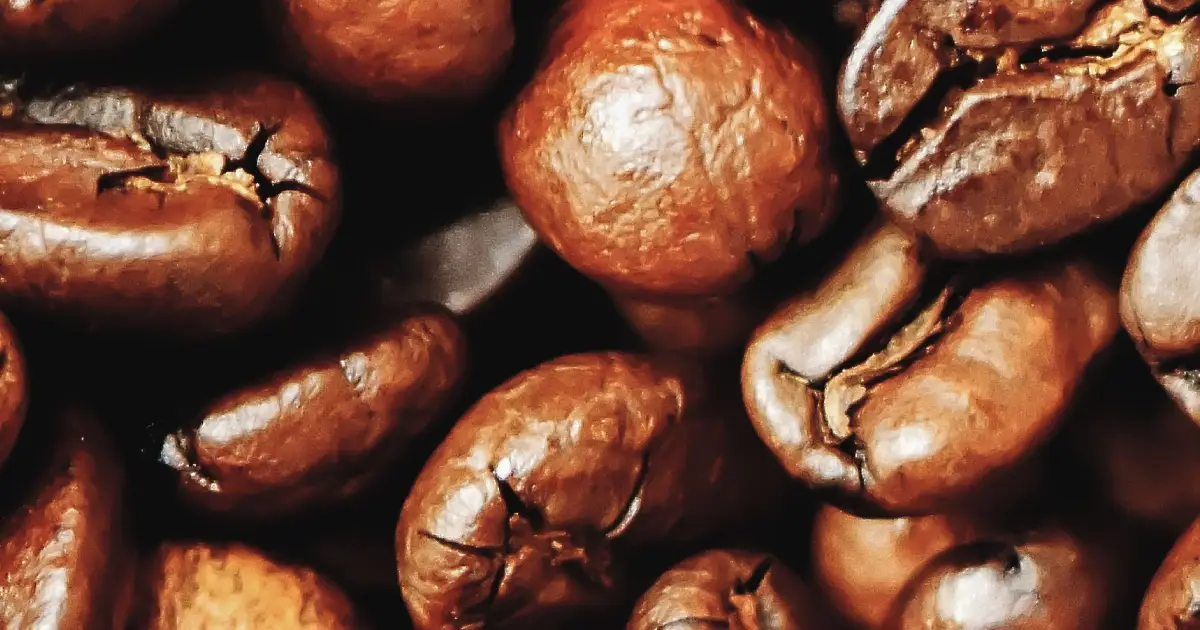
- Slight natural shine (especially darker roasts)
- Active crema during espresso extraction
- Full-bodied flavor
Avoid coffee that only lists an expiration date with no roast date.
Roast Date vs Best Before Date
This is one of the biggest differences between supermarket coffee and specialty coffee.
Best Before Date
Often 12–24 months after roasting.
Doesn’t indicate freshness.
Roast Date
Shows exactly when beans were roasted.
This allows you to judge whether they’re at peak flavor.
Whenever possible, buy beans with a clearly printed roast date.
Common Fresh Coffee Myths
Myth: Oily Beans Mean Fresh Beans
Not necessarily.
Oil usually appears because of darker roasting rather than freshness.
Myth: Expensive Beans Are Always Better
Freshness often matters more than price.
A freshly roasted medium-priced coffee usually beats stale premium beans.
Myth: Refrigeration Keeps Coffee Fresh
Actually, refrigerators expose coffee to:
- Moisture
- Food odors
- Temperature fluctuations
This often makes coffee worse.
Myth: Vacuum-Sealed Coffee Stays Fresh Forever
Vacuum sealing slows oxidation.
It doesn’t stop flavor compounds naturally degrading over time.
Signs Your Coffee Has Gone Stale
You may notice:
- Weak aroma
- Little crema
- Flat taste
- Harsh bitterness
- Papery flavors
- Dry finish
If several of these appear together, your beans are probably past their best.
How Fresh Coffee Improves Every Brewing Method
Fresh beans don’t just benefit espresso.
Espresso
- Better crema
- Sweeter shots
- Fuller body
Pour Over
- Clearer tasting notes
- Brighter acidity
French Press
- Rich mouthfeel
- Better chocolate notes
Bean-to-Cup Machines
- More aroma
- Improved consistency
👉 How to Choose a Coffee Machine for Your Home
Choosing Fresh Coffee Beans
Look for:
✔ Roast date
✔ Whole beans
✔ Sealed valve bags
✔ Specialty roasters
✔ Appropriate roast level for your brewing method
Freshness almost always outweighs fancy packaging or marketing claims thats why Fresh Coffee Beans Matter.
FAQs – Why Fresh Coffee Beans Matter
How fresh should coffee beans be?
Most specialty coffee tastes best between one and four weeks after roasting, although the ideal window depends on the brewing method.
Are supermarket coffee beans fresh?
Many supermarket beans are several months old before reaching shelves. Without a roast date, it’s difficult to know their true freshness.
Should I grind coffee every day?
Yes. Grinding immediately before brewing preserves the maximum amount of aroma and flavor.
Can coffee beans be too fresh?
Yes. Beans used immediately after roasting can produce uneven espresso because they’re still releasing large amounts of carbon dioxide. Waiting several days usually improves extraction.
Is freezing coffee bad?
Not if done correctly. Freeze unopened, airtight portions intended for long-term storage, and avoid repeated thawing and refreezing.
Final Verdict on Why Fresh Coffee Beans Matter
Fresh coffee beans have a greater impact on your cup than almost any other variable. While quality equipment and good technique matter, even the best espresso machine can’t compensate for stale beans.
By choosing recently roasted coffee, grinding only what you need, and storing beans away from oxygen, heat, moisture, and light, you’ll enjoy richer aromas, sweeter flavors, better crema, and a far more satisfying coffee experience. If you’re looking for the single easiest way to improve your coffee at home, start with fresher beans.
Key Takeaways on Why Fresh Coffee Beans Matter
- Fresh coffee beans significantly improve flavor, aroma, and crema.
- Coffee typically reaches peak flavor several days after roasting.
- Oxygen, heat, moisture, and light are the biggest causes of staling.
- Whole beans stay fresh much longer than pre-ground coffee.
- Always look for a roast date rather than relying on a best-before date.
- Store beans in an airtight, opaque container at room temperature.
- Buying smaller quantities more often is the easiest way to enjoy consistently fresh coffee.
You May Also Like
- 👉 Espresso Machine Maintenance Guide
- 👉 Best Water Filters for Coffee Brewing
- 👉 How to Store Coffee Beans
☕ Just a heads up—this post contains affiliate links. If you buy through them, Frothy Fusion may earn a small commission (at no cost to you). Thanks for supporting our coffee-fueled content!