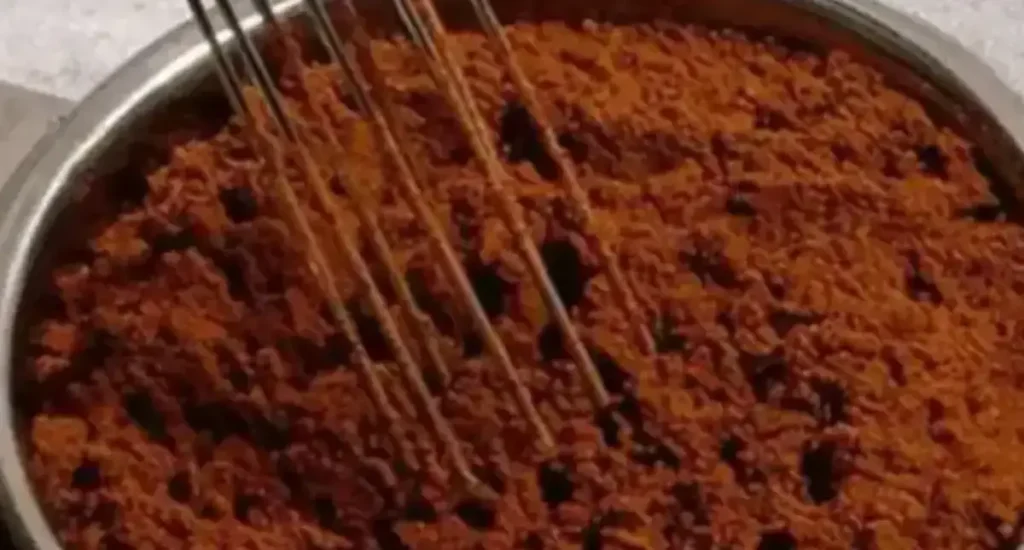
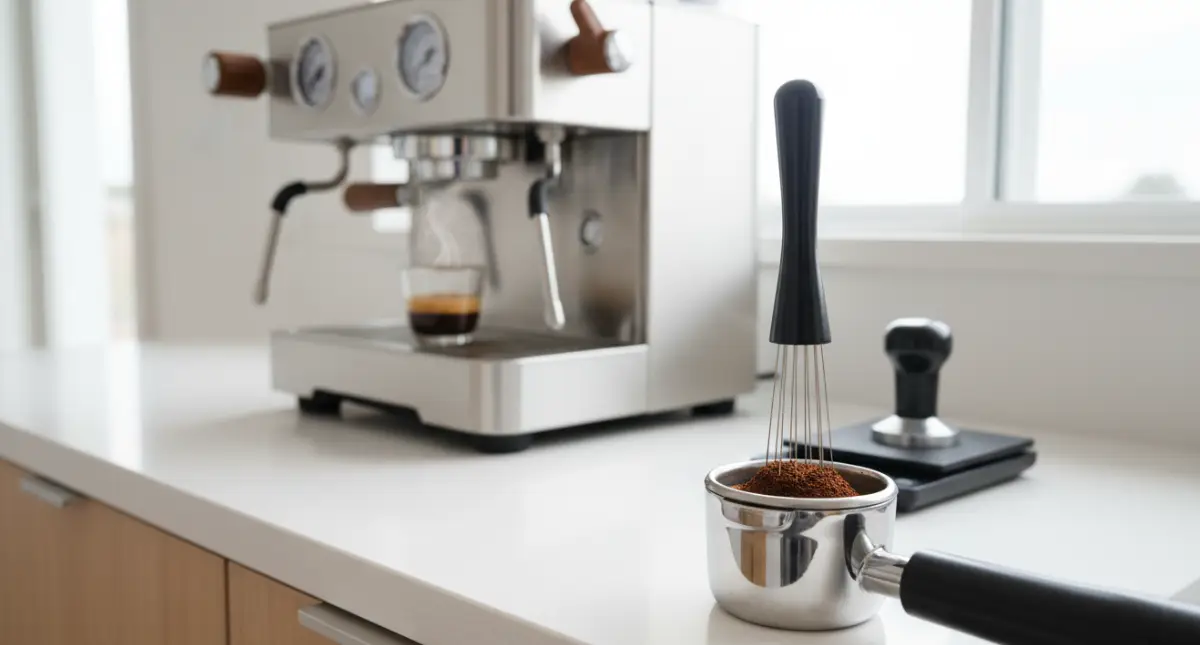
Espresso distribution is the process of spreading freshly ground coffee evenly throughout the portafilter basket before tamping.
- What Is Espresso Distribution?
- Why Does Espresso Distribution Matter?
- The Espresso Puck Preparation Workflow
- What Is WDT in Espresso?
- WDT vs. Espresso Distributor: What's the Difference?
- Do You Need a WDT Tool?
- Common Espresso Distribution Mistakes
- How Distribution Affects Espresso Extraction
- How to Tell If Your Puck Preparation Needs Improvement
- A Simple Espresso Puck Prep Routine for Beginners
- FAQs Espresso Distribution
- What is espresso distribution?
- Is WDT the same as espresso distribution?
- Should I use WDT before or after tamping?
- Do I need an espresso distributor if I use WDT?
- Does WDT prevent channeling?
- How deep should I WDT?
- Can I make espresso without a WDT tool?
- Is WDT necessary for every espresso machine?
- What should I do if my espresso still channels after WDT?
- The Bottom Line
Done well, it helps create a more uniform coffee bed, which can contribute to more consistent water flow and extraction.
For most home baristas, a simple puck-preparation routine is enough: dose consistently, distribute the grounds, level the surface if needed, tamp evenly, and extract.
A WDT tool can be especially useful for breaking up clumps and redistributing coffee, but it isn’t a magic fix for every espresso problem—and you don’t necessarily need multiple distribution tools to make good espresso.
What Is Espresso Distribution?
Espresso distribution means arranging freshly ground coffee evenly in the portafilter basket before tamping.
Coffee doesn’t always leave the grinder as a perfectly uniform pile. Grounds can clump together, collect against the basket walls, or form areas with different densities. If those differences remain when the coffee is tamped, the resulting puck may offer water an uneven path through the coffee.
The goal of espresso distribution is therefore simple:
Create a reasonably even coffee bed before tamping so the puck has a consistent structure for extraction.
Espresso Distribution isn’t about making the coffee look perfect for its own sake. It is about preparing the grounds consistently from shot to shot.
👉 Best Coffee Water for Espresso Machines
Why Does Espresso Distribution Matter?
During espresso extraction, pressurised water looks for pathways through the coffee puck.
If one part of the puck is less dense than another, water may preferentially move through that area. This can contribute to uneven extraction and, in some circumstances, channeling.
However, distribution is only one part of espresso preparation.
Grind size, dose, coffee freshness, basket design, water, temperature, tamping and the espresso recipe all affect the final shot.
That’s why improving distribution shouldn’t be treated as a guaranteed cure for sour, bitter, fast or slow espresso.
For a broader explanation of how grind, dose, yield and extraction time interact, see our guide to Espresso Extraction: How to Dial In the Perfect Shot.
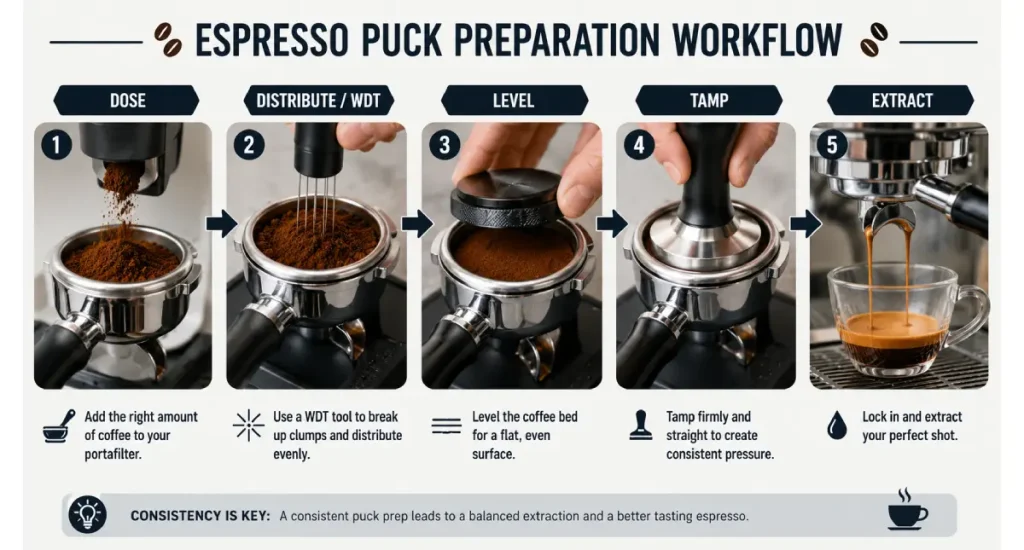
The Espresso Puck Preparation Workflow
A practical home-barista workflow looks like this:
Dose → Distribute → Level → Tamp → Extract
Let’s look at what each step accomplishes.
1. Dose the Coffee Consistently
Start by measuring your coffee dose with a scale.
For a typical double espresso, the appropriate dose depends on the basket’s intended capacity and the recipe you’re using. Rather than forcing every basket to use the same amount of coffee, follow the manufacturer’s basket specifications and adjust according to your espresso recipe.
Consistency matters more than chasing one universal number.
If you’re making a standard double espresso, our guide to How to Make a Double Espresso can walk you through the complete recipe and extraction process.
👉 Espresso Machine Maintenance Guide
2. Distribute the Grounds
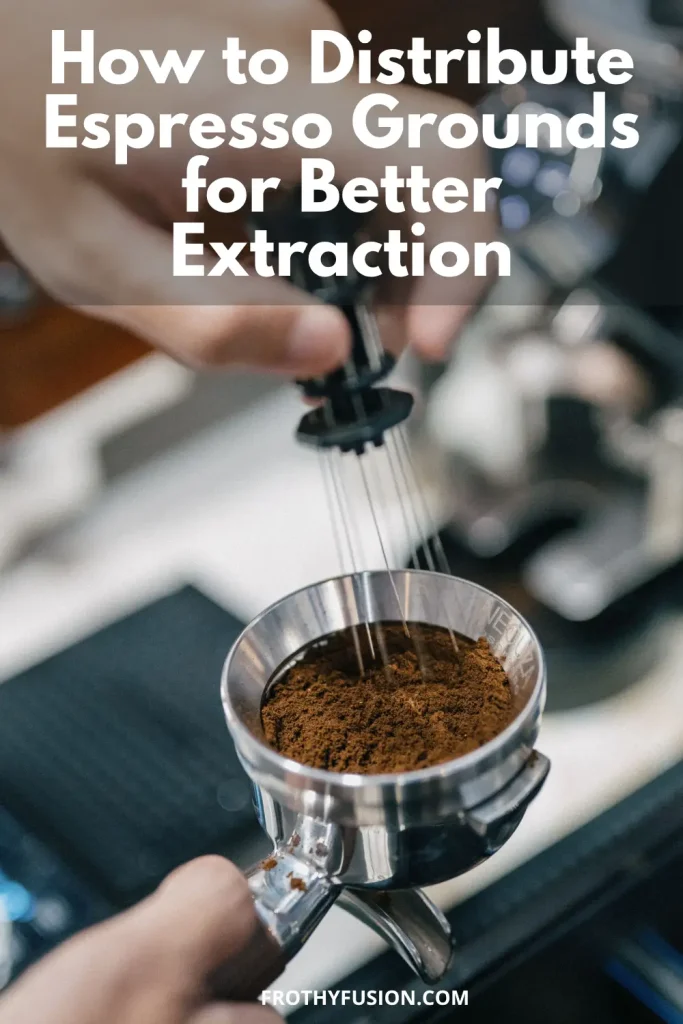
Once the coffee is in the basket, distribute it so the grounds are spread more evenly from edge to edge.
This can be done with a WDT tool, gentle manual distribution, or another suitable technique.
The goal is not to aggressively stir the coffee.
Instead, work the grounds enough to break up obvious clumps and redistribute areas where coffee has accumulated.
Pay particular attention to the edges of the basket, where grounds can sometimes remain separated from the main coffee bed.
3. Level the Coffee Bed
After distribution, the surface should be reasonably even.
This can happen naturally through careful distribution, or you can use a levelling tool if it fits your workflow.
This is where an important distinction comes in:
Espresso Distribution and levelling aren’t exactly the same thing.
Distribution addresses how the grounds are arranged throughout the coffee bed.
Levelling primarily addresses the surface.
A spinning distributor may make the top of the basket look exceptionally neat, but a flat surface alone doesn’t guarantee that the coffee is evenly distributed deeper in the puck.
4. Tamp Evenly
Once the coffee is distributed and the surface is ready, tamp the puck evenly.
The most important things are consistency and keeping the tamper level.
You don’t need to treat tamping as a competition to see how much force you can apply. Once the coffee has been adequately compressed, additional force doesn’t automatically produce better espresso.
A level, repeatable tamp is more useful than obsessing over a precise force number.
After tamping, clean loose grounds from the basket rim before locking the portafilter into the machine.
👉 Best Water Filters for Coffee Brewing
What Is WDT in Espresso?
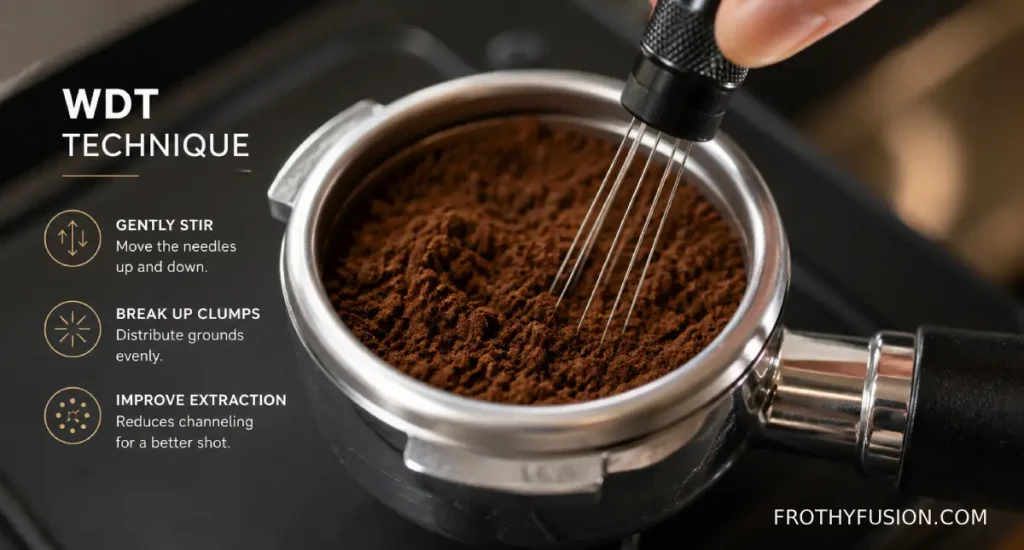
WDT stands for Weiss Distribution Technique.
It uses a tool with thin needles to move through the coffee grounds and redistribute them before tamping.
The technique was developed around the idea that breaking up clumps and improving the distribution of coffee particles can help create a more uniform puck.
A typical WDT routine involves gently moving the needles through the coffee bed in controlled motions.
The important word is gently.
You’re trying to redistribute the grounds—not excavate the basket.
👉 Espresso Machine Descaling Guide
How to Use a WDT Tool
A simple approach is:
- Grind the coffee into the basket.
- Insert the WDT needles into the grounds.
- Gently work through areas where clumps are visible.
- Move around the basket rather than concentrating on one spot.
- Pay attention to the edges as well as the centre.
- Finish with a reasonably level coffee bed.
- Tamp evenly.
There isn’t one magical number of passes, movements or needle depth that works for every grinder, dose and basket.
Your goal should be consistent, controlled distribution, not performing a complicated ritual.
WDT vs. Espresso Distributor: What’s the Difference?
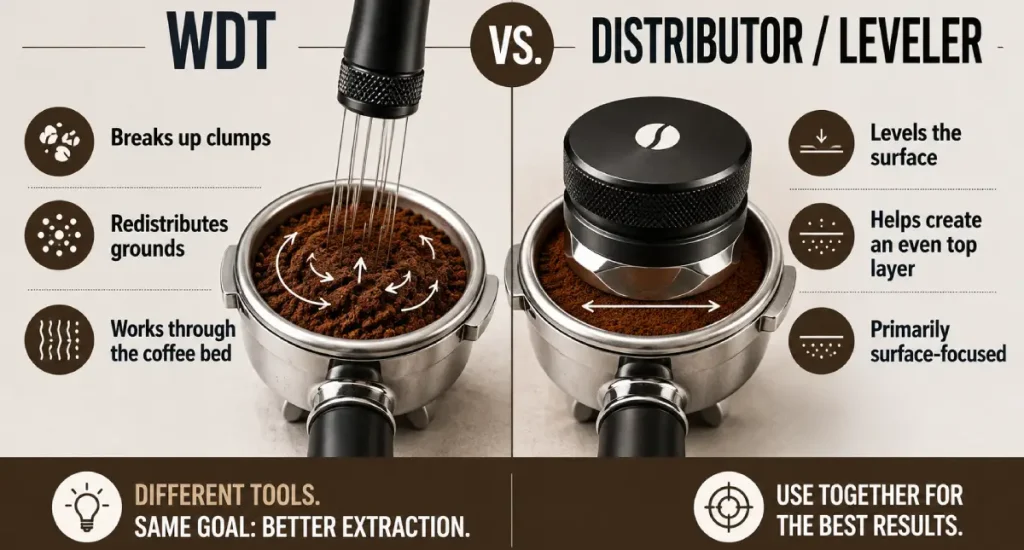
WDT and espresso distributors are often discussed as though they perform the same job.
They don’t.
| Method | Main purpose | Works below the surface? | Typical role |
|---|---|---|---|
| WDT | Breaks up clumps and redistributes grounds | Yes | Puck preparation |
| Distributor/leveler | Levels the coffee surface | Mostly surface-level | Surface preparation |
| Manual distribution | Moves grounds around the basket | Somewhat | Simple puck preparation |
| Tamping | Compresses the prepared coffee bed | No | Final puck preparation |
Do You Need Both WDT and a Distributor?
Not necessarily.
A good WDT routine followed by an even tamp may be all you need.
A distributor can be useful for some workflows, but it shouldn’t be considered mandatory for making good espresso.
If your WDT technique produces an even coffee bed and your tamp is consistent, adding another tool may provide little practical benefit.
This is one reason it’s better to understand what each tool is supposed to accomplish before buying another piece of espresso equipment.
👉 How Long Do Espresso Machines Last?
Do You Need a WDT Tool?
No.
A WDT tool can be useful, particularly if your espresso grinder produces noticeable clumps or inconsistent piles of coffee, but excellent espresso doesn’t depend on owning a particular puck-preparation tool.
Before buying a WDT tool, consider the bigger picture.
If your espresso is consistently running too fast, for example, the problem may be grind size rather than distribution.
If the shot tastes sour, the solution may involve extraction time, grind size, dose or yield.
If the shot tastes bitter or harsh, changing puck preparation may not be the first variable to investigate.
WDT is a preparation technique—not a replacement for proper espresso dial-in.
👉 How to Choose a Coffee Machine for Your Home
Common Espresso Distribution Mistakes
Stirring Too Aggressively
WDT should be controlled rather than violent.
Aggressive stirring can move large amounts of coffee unnecessarily and make it harder to create a consistent puck.
Focusing Only on the Centre
The edges of the basket matter too.
If coffee remains concentrated in certain areas around the perimeter, the puck may not be as uniform as it appears from above.
Creating Deep Holes or Voids
The purpose of WDT is to redistribute coffee, not create channels through the grounds.
Use controlled movements and avoid repeatedly digging the needles into one location.
Tamping Before Distribution
Once you’ve tamped the coffee, you’ve already compressed the bed.
Trying to redistribute the grounds afterward defeats the purpose of preparing the coffee before tamping.
Assuming a Flat Surface Means an Even Puck
A perfectly level-looking surface doesn’t necessarily mean the grounds are evenly distributed underneath.
This is one reason WDT and other distribution techniques can be useful.
Treating WDT as a Cure-All
This is perhaps the biggest mistake.
If your espresso is inconsistent, puck preparation is worth examining—but so are:
- Grind size
- Dose
- Yield
- Extraction time
- Coffee freshness
- Grinder consistency
- Basket choice
- Machine temperature
- Water
Good espresso comes from the interaction of these variables.
How Distribution Affects Espresso Extraction
Think of puck preparation as the foundation for extraction.
The goal is to create a coffee bed through which water can move as evenly as practical.
A simplified process looks like this:
Even distribution
↓
More uniform puck structure
↓
More consistent water flow
↓
More predictable extraction
↓
More repeatable espresso
But don’t interpret this as:
WDT = perfect extraction.
Even an expertly prepared puck can produce poor espresso if the grind is wrong, the dose is inappropriate, the coffee is stale, or the recipe isn’t properly dialled in.
That’s why distribution should be considered one part of the complete extraction process.
For the next stage—adjusting grind, dose, yield and extraction variables—see Dial In the Perfect Espresso Shot.
How to Tell If Your Puck Preparation Needs Improvement
There isn’t one visual clue that can definitively diagnose poor distribution.
However, several signs may encourage you to investigate your puck preparation.
Uneven or Erratic Flow
If espresso begins flowing unevenly, sprays from a bottomless portafilter or repeatedly develops obvious side channels, puck preparation is worth examining.
But don’t immediately assume distribution is the only cause.
Large Differences Between Otherwise Identical Shots
If you’re using the same coffee, dose and recipe but getting dramatically different results from shot to shot, inconsistent puck preparation may be contributing.
Uneven Coffee Bed Before Tamping
If the grounds routinely form large clumps or remain heavily concentrated in one area of the basket, better distribution is an obvious place to start.
Taste Problems
Sour, bitter, hollow or harsh espresso can sometimes be associated with uneven extraction.
But flavour is not a distribution diagnosis by itself.
If you’re experiencing multiple problems at once, our Espresso Troubleshooting Guide can help you work through the possibilities systematically.
A Simple Espresso Puck Prep Routine for Beginners
You don’t need an elaborate ritual.
Start with this:
1. Weigh your dose
Use the appropriate dose for your basket and recipe.
2. Grind into the portafilter
Try to minimise unnecessary coffee loss and large clumps.
3. Distribute the grounds
Use WDT if useful, or another consistent distribution method.
4. Level the surface
Make sure the coffee is reasonably even before tamping.
5. Tamp level
Use a consistent, controlled tamp.
6. Clean the basket rim
Remove loose grounds before inserting the portafilter.
7. Extract
Use your established espresso recipe and evaluate the result.
8. Change one variable at a time
If the shot isn’t right, diagnose before changing everything at once.
For a larger dose and recipe, you can apply the same puck-preparation principles to How to Make a Triple Shot Espresso.
FAQs Espresso Distribution
What is espresso distribution?
Espresso distribution is the process of spreading freshly ground coffee evenly throughout the portafilter basket before tamping. The goal is to create a more uniform coffee bed for consistent extraction.
Is WDT the same as espresso distribution?
WDT is one method of distributing espresso grounds. Distribution is the broader goal, while WDT uses thin needles to break up clumps and redistribute the coffee.
Should I use WDT before or after tamping?
WDT should be performed before tamping. Once the coffee has been compressed, you don’t want to disturb the prepared puck.
Do I need an espresso distributor if I use WDT?
Not necessarily. WDT and a distributor serve different purposes, but many home baristas can achieve a consistent puck with WDT followed by a level tamp without using a separate levelling tool.
Does WDT prevent channeling?
WDT can help create a more uniform coffee bed, which may reduce conditions that contribute to uneven water flow. However, it does not guarantee that channeling will never occur. Grind size, dose, tamping, basket choice and extraction variables also matter.
How deep should I WDT?
There isn’t one universal depth that works for every coffee, dose, basket and tool. The goal is to redistribute the grounds throughout the coffee bed without aggressively disturbing the basket or creating large voids.
Can I make espresso without a WDT tool?
Yes. A WDT tool is optional. What matters most is developing a repeatable method that produces a reasonably even coffee bed before tamping.
Is WDT necessary for every espresso machine?
No. Its usefulness depends on your grinder, coffee, basket and workflow. Some grinders produce relatively fluffy, evenly distributed grounds, while others produce more clumping and benefit more noticeably from WDT.
What should I do if my espresso still channels after WDT?
Don’t assume the WDT technique is the only problem. Check grind size, dose, distribution, tamping, basket fit and your overall extraction recipe. If the problem persists, work through the variables systematically rather than continually changing puck preparation.
The Bottom Line
Good espresso distribution is about consistency, not complicated rituals.
The objective is to create a reasonably uniform coffee bed before tamping so the puck is prepared for a more predictable extraction.
For many home baristas, a simple workflow is enough:
Dose → Distribute → Level → Tamp → Extract
WDT can be a useful part of that process, especially when your grinder produces clumps or uneven grounds. But you don’t need every puck-preparation tool on the market to make excellent espresso.
Learn what each step is designed to accomplish, develop a repeatable routine, and then evaluate the espresso itself.
That’s the foundation of better home-barista technique.
☕ Just a heads up—this post contains affiliate links. If you buy through them, Frothy Fusion may earn a small commission (at no cost to you). Thanks for supporting our coffee-fueled content!